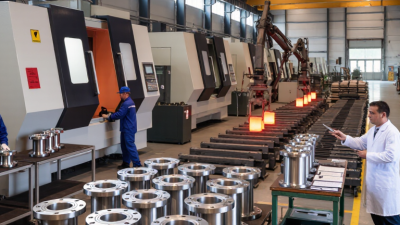
Choosing an EGR SS Precision Casting manufacturer involves more than comparing prices. Exhaust gas recirculation components face heat, pressure, vibration, and corrosive exhaust conditions. A casting that looks sound on the surface may still fail if its alloy, wall thickness, or internal structure is unsuitable. Details matter.
This guide examines manufacturers serving global buyers and the practical factors that distinguish capable suppliers. It considers stainless steel expertise, casting methods, tooling support, dimensional control, and inspection practices. Buyers should also ask how suppliers document material grades, manage production changes, and handle nonconforming parts. Clear records build confidence.
Real production needs vary. Some projects require complex passages and tight tolerances; others prioritize repeatable volume, finishing, or delivery reliability. No single supplier is right for every application. A quotation alone cannot show how well a manufacturer controls risk. Request relevant process documentation, sample inspection results, and evidence of experience with comparable components. Verify claims against your own drawings and acceptance criteria.
The comparison ahead is intended to help sourcing teams ask sharper questions, not promise a perfect choice. Manufacturing capability can look strong on paper yet prove uneven during production. That possibility deserves attention. By weighing technical fit, communication, quality systems, and total sourcing requirements, buyers can build a more informed shortlist of EGR stainless steel precision casting partners.
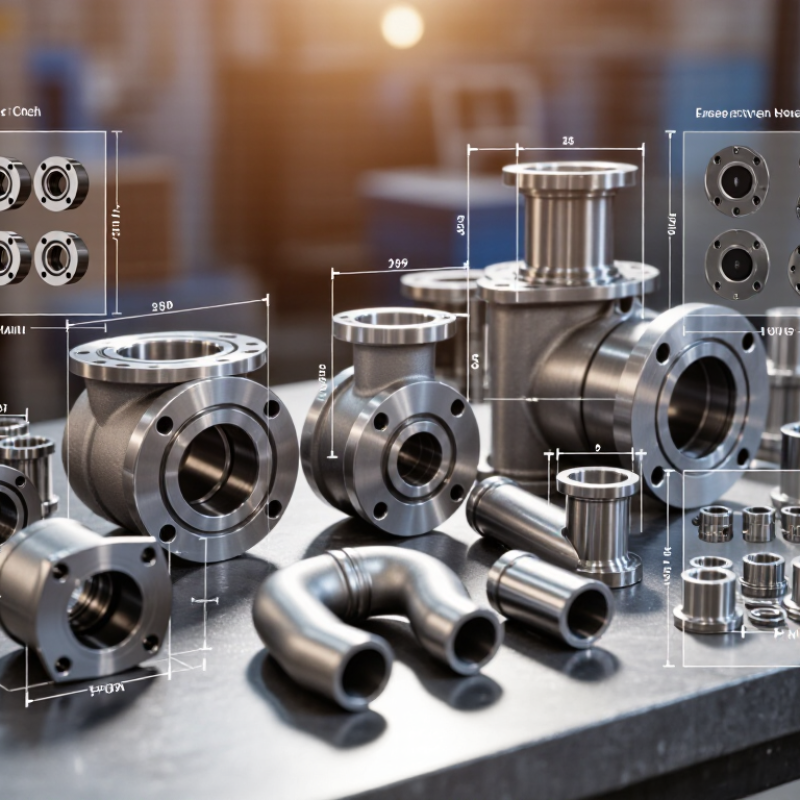
EGR stainless steel precision castings are shaped metal parts used in exhaust gas recirculation systems. EGR systems return a measured portion of exhaust gas to the engine intake. This helps manage combustion temperatures and emissions. Stainless steel is often selected for components exposed to hot gases, moisture, and corrosive exhaust residues.
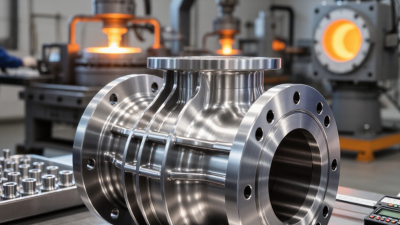
The precision-casting process can form curved passages, compact valve bodies, and detailed mounting features in one part. Common applications include EGR valve housings, cooler end caps, flanges, and connecting passages. The detail matters. A small mismatch at a joint may cause leaks or assembly problems. In practice, a drawing can look complete while overlooking access for cleaning or inspection.
For buyers, material grade, casting quality, and machining requirements should be checked against the operating conditions. Temperatures and exhaust chemistry vary between applications. Not just appearance. Suppliers may use dimensional checks, surface inspection, and leak or pressure testing where the design requires them. Ask how critical passages are inspected, and confirm tolerances before production. Even a sound casting can need design adjustments after trial assembly. That is worth discussing early.
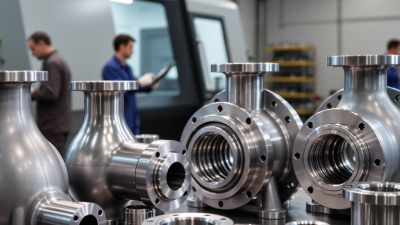
EGR components guide exhaust gas back into the intake system, so their walls and passages must handle heat, vibration, and corrosive condensate. Stainless steel investment casting can form curved passages and compact housings that would be difficult to machine from solid stock.
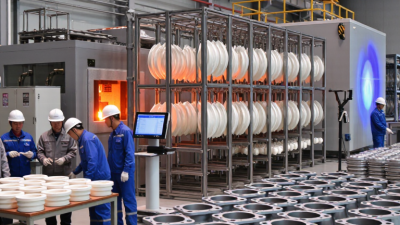
The process starts with a wax pattern shaped around the component design. Patterns are assembled, coated with ceramic slurry and fine sand, then dried into a rigid shell. The wax is removed, leaving a cavity for molten stainless steel.
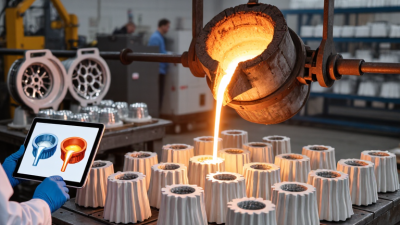
After pouring, the shell cools before workers remove it and separate the castings from their gates. Heat treatment may help achieve the required material properties. Machining then refines sealing faces, mounting holes, and connection points.
Each part should be checked for dimensions and surface defects; pressure or leak testing may also be specified for the application. Casting is not magic. Thin sections and narrow bends can still produce defects, so engineers often revise the design after early trials.
Tips: Share operating temperatures, media, drawings, and tolerances with the foundry. Ask how material chemistry, inspection records, and sample approval are documented. A small passage can look perfect outside and still need closer inspection inside.
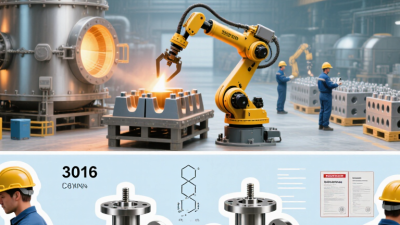
EGR stainless-steel precision castings face hot exhaust, condensate, soot, and repeated thermal cycling. Material selection should match the actual gas chemistry and peak metal temperature, not just a catalogue label. Heat-resistant grades such as 309- or 310-series alloys may suit hotter zones, while 304- or 316-type stainless steel may fit less severe conditions. Confirm the exact chemistry and casting specification before tooling. Small details matter.
A reliable supplier should document heat numbers, chemical analysis, mechanical properties, and dimensional results. Relevant ASTM specifications can define material and testing requirements. An ISO 9001 quality system supports controlled processes and records, but certification alone cannot guarantee a sound casting. For critical passages, buyers can request visual checks, penetrant testing, radiography where justified, and leak or flow testing on representative parts. Get it documented.
Performance depends on more than alloy choice. Wall-thickness variation, shrinkage, surface roughness, and flange distortion can affect flow and sealing. First-article inspection should compare the casting with the drawing and confirm machining allowances. Thermal-cycle testing can help when service conditions are uncertain, though it adds time and cost. There is no perfect shortcut: a costly high-alloy grade may still fail if the geometry traps condensate or the process is poorly controlled. Discuss operating temperature, gas composition, and expected cycles with the foundry before approving production.
Top EGR SS Precision Casting Manufacturers for Global Buyers
When comparing EGR stainless-steel precision casting manufacturers, look beyond quoted price and catalogue photos. Start with the alloy: ask for material certificates and traceability from incoming stock to finished parts. Details matter. Request dimensional inspection records for critical features, such as flange faces, bolt holes, and passage openings. Ask how the foundry monitors porosity and surface defects, and whether inspection methods match the part’s risks.
For EGR components, temperature changes, exhaust exposure, and pressure conditions can affect service life. Ask whether sample castings have undergone relevant dimensional, pressure, or leak testing. A capable supplier should explain its process, not simply promise consistent quality. Review machining capability, inspection equipment, and how nonconforming parts are handled. Compare the same drawing revision and acceptance criteria across suppliers. There is no perfect scorecard; test results from one design may not predict performance in another operating environment. That limitation is easy to overlook.
Tips: Share drawings, tolerances, and expected annual volumes before requesting a quote. Ask for a sample run and its inspection report. Keep a record of agreed changes; informal approvals can leave room for confusion.
EGR stainless steel precision casting manufacturers should be compared by process capability, not catalog breadth alone. A capable foundry controls alloy chemistry, wax patterns, ceramic shells, and pouring conditions. These details influence wall thickness, surface quality, and repeatability. Look for documented inspection methods and traceable heat records. They matter when castings must fit exhaust-system assemblies.
Geometry is a useful test. EGR components may include thin walls, curved passages, and mounting faces that need accurate machining. Ask how the supplier checks shrinkage, porosity, and dimensional variation. Sample reports, gauges, and non-destructive testing plans can show whether controls match the part’s risk. Not every feature needs the same inspection depth. That distinction can reduce cost without weakening quality.
No process is flawless. A smooth first sample can still hide variation between production lots, so buyers should review capability data from repeated runs. Also clarify who manages tooling changes and how revisions are recorded. Small details matter. A poorly defined datum, for example, can shift a machined port even when the casting looks sound. Clear drawings and realistic acceptance criteria make collaboration more dependable.
| Capability Dimension | What a Capable Supplier May Offer | Relevance to EGR Components | What Buyers Should Verify |
|---|---|---|---|
| Casting process | Investment casting for complex shapes and detailed features; other casting processes may suit larger or less intricate parts. | EGR housings and related components can include curved gas paths, mounting features, and thin sections. | Ask which process is proposed for the part, and review samples or inspection records for comparable geometries. |
| Stainless steel grades | Potential cast grades include CF8 and CF8M under ASTM A351, and corrosion-resistant or heat-resistant cast grades covered by ASTM A743, where appropriate to the design. | Grade selection affects corrosion resistance, temperature suitability, strength, and weldability. No single grade is suitable for every EGR application. | Confirm the specified grade, applicable material standard, chemical analysis, mechanical properties, and heat-treatment requirements. |
| Pattern and tooling engineering | Design-for-casting review, pattern or wax tooling, gating and feeding design, and prototype support. | Early engineering review can help address casting defects, wall-thickness transitions, and machining allowances. | Review drawing feedback, tooling ownership terms, change-control procedures, and prototype approval records. |
| Dimensional control | Inspection against customer drawings using suitable gauges, coordinate measurement, and documented dimensional reports. | Accurate interfaces are important for assembly, sealing, and connection to adjacent exhaust-system components. | Agree tolerances on the drawing and check measurement methods, datum setup, sampling plan, and first-article results. |
| Internal soundness and NDT | Visual inspection and, where required by the specification, liquid penetrant, radiographic, or other suitable examination. | Internal or surface discontinuities may affect pressure-boundary integrity, sealing, or service life. | Define acceptance criteria, examination coverage, applicable procedures, and report format before production. |
| Machining and finishing | Machining of functional surfaces and ports, deburring, and specified surface finishing, either in-house or through qualified partners. | Machined sealing faces and connection features can be critical to fit and leak performance. | Confirm which operations are included, how machined features are inspected, and how surface-finish requirements are measured. |
| Material traceability | Heat or batch identification linked to material certificates, production records, and inspection documentation. | Traceability supports material verification, investigation of nonconformities, and customer audit requirements. | Request a sample documentation package and confirm how identification is maintained through casting and machining. |
| Quality management | A documented quality management system; ISO 9001 certification may be used as evidence of a defined system. | Controlled procedures help manage inspection, corrective actions, document revisions, and production consistency. | Verify certificate validity and scope, then assess process controls and performance on parts similar to the intended application. |
| Production and export readiness | Documented capacity planning, packaging controls, export documentation, and agreed shipment schedules. | Global programs require dependable replenishment and packaging that protects parts during transport and storage. | Review production lead times, order flexibility, packaging specifications, shipping terms, and escalation procedures. |