Leave Your Message

7 Best SS Precision Casting Pump Suppliers Worldwide?

Selecting a reliable supplier for Pump Ss Precision Casting requires more than comparing prices or browsing polished websites. Stainless steel casting affects pump strength, corrosion resistance, surface quality, and service life. A small defect near an impeller passage can create vibration, leakage, or expensive downtime. This guide introduces seven leading suppliers worldwide, focusing on manufacturing capability, quality systems, technical support, and delivery reliability.

The evaluation considers casting methods, alloy control, dimensional tolerances, heat treatment, and pressure-testing procedures. It also examines whether suppliers provide material certificates, inspection reports, sample approvals, and traceable production records. These details matter when pumps operate under pressure, heat, or corrosive conditions. Experience with investment casting and complex pump geometries can reveal problems before production begins. Practical communication matters too. Clear drawings, responsive engineers, and realistic lead times often protect a project better than a low quotation.

No ranking is perfect.

Supplier performance may vary by facility, order size, and regional support. A company with advanced equipment may still struggle with communication or inconsistent documentation. Buyers should verify certifications, request recent samples, and inspect critical surfaces before signing long-term agreements. Some information can also change over time, so independent confirmation remains sensible. The suppliers discussed here are selected as strong candidates, not automatic choices. Their suitability depends on alloy requirements, pump design, annual volume, testing expectations, and the consequences of failure. This balanced approach helps engineers and purchasing teams make a more informed decision when sourcing precision-cast stainless steel pump components worldwide.
7 Best SS Precision Casting Pump Suppliers Worldwide?

What Are Stainless Steel Precision Casting Pumps?

Stainless Steel Precision Casting Pumps: What Are They?

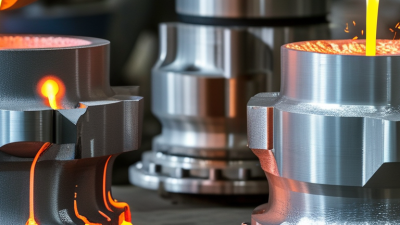
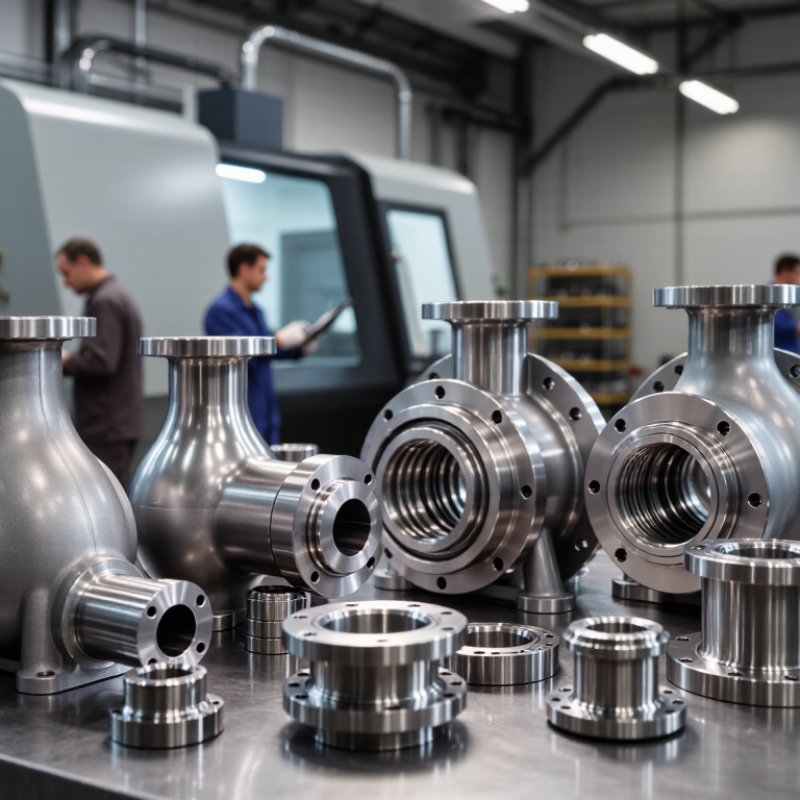
Stainless steel precision casting pumps use investment-cast components for controlled fluid movement. Molten stainless steel fills a detailed ceramic mold, producing accurate casings, impellers, and covers. After shell removal, technicians machine sealing faces and shaft fits. This process reduces machining waste and preserves complex internal passages.

Compared with rough sand castings, precision casting can improve dimensional consistency and surface detail. Common grades include 304 and 316 stainless steel, selected according to chloride exposure, temperature, and chemical compatibility. These pumps serve food processing, water treatment, pharmaceuticals, and demanding industrial lines. However, stainless steel does not guarantee corrosion resistance everywhere. Incorrect grade selection can still cause pitting, especially in salty water. A polished surface is not automatically a suitable surface.

The U.S. Department of Energy’s Improving Pumping System Performance sourcebook reports that pumping systems may consume 25–50% of industrial facility electricity. The IEA’s Energy Efficiency Market Report 2016 also estimates motor-driven systems use about 53% of global electricity. These figures cover wider equipment groups, not pumps alone. That distinction matters when calculating savings.

Tips: Check the fluid first. Record chloride level, temperature, viscosity, and required flow. Ask for material certificates, hydrostatic test results, and performance curves. Verify the duty point, not only the maximum flow. A small mismatch may create vibration, energy loss, or premature seal wear. Clearance requirements are often overlooked.
How to Evaluate Global Precision Casting Pump Suppliers

When comparing the seven best stainless steel precision casting pump suppliers worldwide, evaluate evidence rather than polished websites. The U.S. Department of Energy reports that pumping systems may consume 25–50% of industrial facility electricity. Efficiency deserves serious attention. Ask suppliers for certified performance curves, pump efficiency at several operating points, and test records under realistic flow and head conditions.

Inspect the casting process closely. Request material certificates, heat-treatment records, dimensional reports, and non-destructive testing results. For stainless steel components, verify chemical composition and corrosion resistance against the required service environment. ISO 9001 certification supports process control, but it does not prove hydraulic performance. Suppliers aligned with ISO 5199 or API 610 requirements may offer stronger documentation, depending on the application. Ask for traceability from melt number to finished pump.

Service capability also separates reliable suppliers from weak candidates. Check spare-parts availability, commissioning support, response times, and references from similar industries. The International Energy Agency identifies industrial motor systems as a major electricity-use category, so lifecycle cost matters more than purchase price. Compare energy consumption, maintenance intervals, seal life, and expected operating hours. Ask for records. A low-cost quotation can hide expensive downtime.

I would not rank a supplier from brochures alone. Visit the foundry when possible, review calibration certificates, and interview a recent customer. Some suppliers provide impressive test sheets but weak field support. That risk is easy to underestimate. Supplier evaluation should remain practical, documented, and slightly skeptical.

Seven Leading SS Precision Casting Pump Suppliers Worldwide

Seven Leading SS Precision Casting Pump Suppliers Worldwide

The strongest global supplier shortlist should include seven proven supplier profiles, not seven attractive websites. Look for foundries with investment-casting expertise, documented heat treatment, and traceable stainless steel grades. Common choices include 316L, CF8M, and duplex stainless steel for corrosive process duties. Each supplier should provide dimensional inspection, hydrostatic testing, material certificates, and pump performance curves.

The U.S. Department of Energy reports that pumping systems can consume 25–50% of industrial facility electricity. Therefore, hydraulic efficiency matters as much as casting quality. Ask each supplier for tested efficiency, NPSH data, vibration limits, and impeller balancing records. ISO 5199 guidance can support technical comparisons for centrifugal pumps. Industry reports from MarketsandMarkets also identify chemical processing, water treatment, and energy applications as major drivers of industrial pump demand. However, report categories vary, so direct supplier evidence remains essential.

Tips: Request three recent test reports and one comparable installation reference. Check whether the quoted efficiency uses the same speed, flow, and head. A low purchase price can hide poor machining or unstable delivery. No shortlist is perfect; regional service capacity may matter more than brochure claims. In practice, seven leading suppliers should demonstrate repeatable casting accuracy, responsive engineering, and realistic lead times. Ask difficult questions early. That saves expensive rework later.

Supplier Comparison: Materials, Performance, Quality, and Support

7 Best SS Precision Casting Pump Suppliers Worldwide?

Comparing stainless steel precision casting pump suppliers requires more than checking price and delivery time. The U.S. Department of Energy’s Pumping System Sourcebook reports that pumping systems can consume 25% to 50% of industrial electricity. Efficiency data therefore deserves serious attention. Ask suppliers for tested flow, head, motor efficiency, vibration, and NPSH values. A polished curve is not enough.

Material selection affects service life. Request the exact stainless steel grade, heat-treatment records, chemical composition reports, and casting traceability. For chloride-rich fluids, pitting resistance matters more than appearance. Surface roughness, impeller balance, shaft runout, and dimensional inspection should appear in the quality file. ISO 2858-based dimensions can simplify replacement and reduce installation changes. Small deviations can become expensive.

Support separates capable suppliers from ordinary ones. Compare response times, spare-part availability, installation guidance, and failure-analysis procedures. The Hydraulic Institute’s technical guidance emphasizes operating pumps near their best efficiency point, yet many quotations omit this operating detail. That omission is a warning. I would also question suppliers offering only factory certificates without independent performance testing. Documentation can look complete while practical evidence remains thin. A useful comparison records five-year energy cost, not just the purchase invoice. Some evaluations still ignore training and commissioning, which may be a costly mistake.

7 Best SS Precision Casting Pump Suppliers Worldwide? — Supplier Comparison: Materials, Performance, Quality, and Support

Supplier Profile Primary Supply Region Typical Pump Types Common Stainless-Steel Materials Typical Flow Range Typical Head Range Precision-Casting Capability Quality & Testing Documentation Customization Capability Typical Lead Time After-Sales Support
Supplier Profile 1 East Asia End-suction centrifugal Multistage CF8M / ASTM A351, CF3M, 17-4 PH 1–500 m³/h 5–160 m Investment-cast wet-end components; CNC-machined sealing and bearing fits Material certificates, dimensional reports, hydrostatic testing, performance testing on request Impeller trim, shaft materials, seal arrangements, flange standards 4–10 weeks Remote commissioning guidance, spare-parts lists, warranty support
Supplier Profile 2 Western Europe Process centrifugal API-style overhung 316 / 316L, CF8M, duplex stainless steel 5–1,500 m³/h 10–180 m Precision investment casting and controlled machining for process-duty parts EN 10204 3.1 certificates, pressure testing, vibration checks, balancing reports, traceability records Process connections, metallurgy upgrades, seal systems, motor and coupling options 8–16 weeks Field service network, maintenance planning, application engineering
Supplier Profile 3 North America Chemical-process Magnetic-drive 316L, Alloy 20, duplex 2205, nickel alloys 0.5–250 m³/h 5–120 m Investment-cast housings and impellers with corrosion-resistant alloy options ASME-style documentation packages, hydro tests, NDE options, factory performance tests Sealless configurations, high-temperature designs, custom metallurgy and instrumentation 6–14 weeks Application review, repair services, retrofit support, regional spare-parts inventory
Supplier Profile 4 South Asia End-suction Vertical inline Multistage CF8M, CF3M, 304L, 316L 2–800 m³/h 8–220 m Wax-pattern investment casting for compact hydraulic passages and complex impellers Heat-treatment records, chemical analysis, hydrostatic tests, dimensional inspection Motor ratings, pump curves, mechanical seals, connection standards and coatings 5–12 weeks Online technical support, operating manuals, replacement-part assistance
Supplier Profile 5 East Asia Food and beverage Pharmaceutical process 316L stainless steel; low-carbon hygienic cast grades 1–300 m³/h 5–100 m Precision-cast wetted parts followed by sanitary surface finishing and polishing Surface-finish reports, material traceability, pressure testing, hygienic-design documentation Clamp or DIN connections, electropolishing, seal elastomers, clean-in-place layouts 6–12 weeks Hygienic-system consultation, installation guidance, seal and wear-part support
Supplier Profile 6 Central and Eastern Europe Heavy-duty process Vertical turbine 316L, CF8M, duplex 2205, super duplex 2507 10–3,000 m³/h 15–300 m Investment-cast and sand-cast options selected according to size and duty EN 10204 certificates, balancing, pressure tests, vibration measurements, optional NDE Large-flow hydraulics, low-temperature service, abrasive handling, custom baseplates 10–20 weeks On-site commissioning, overhaul planning, field inspection and repair support
Supplier Profile 7 Middle East and Southeast Asia Oil and gas process API-oriented centrifugal CF8M, 316L, duplex stainless steel, nickel-based alloys 5–2,000 m³/h 15–250 m Precision-cast components with machining and inspection programs for demanding services Material certificates, hydrostatic testing, performance curves, balancing, optional radiography or penetrant testing API-style layouts, hazardous-area motor options, seal plans, special flanges and coatings 12–24 weeks Project documentation control, commissioning assistance, operator training and spare-parts planning

Note: The figures shown are typical industry capability ranges for stainless-steel precision-casting pump suppliers, not guaranteed ratings for a specific model. Final flow, head, material grade, efficiency, certification, delivery time and support scope should be verified against the supplier’s quotation, pump curve and inspection plan.

How to Select the Right Supplier for Your Pumping Needs

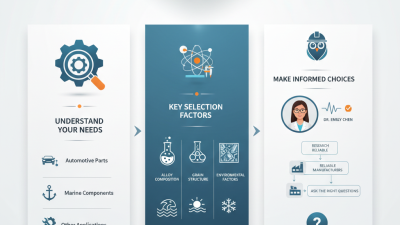
Selecting an SS precision casting pump supplier requires more than comparing quotations. The U.S. Department of Energy’s Improving Pumping System Performance sourcebook reports that pumping systems can consume 25–50% of industrial facility electricity. Efficiency is therefore a purchasing issue, not a technical decoration.

Ask suppliers for material certificates, casting traceability, dimensional inspection records, and hydrostatic test results. Stainless steel grade matters, especially with chloride-rich water or changing temperatures. Request a verified performance curve, including flow, head, efficiency, and NPSH data. The International Energy Agency’s Energy Efficiency 2024 report highlights the major energy impact of electric motor systems, which makes accurate pump selection even more important. A small efficiency difference can become a large operating cost over years.

Visit the factory if possible. Look at machining areas, test benches, and rejected castings. Ask how defects are recorded and corrected. A supplier that only shows polished samples may be hiding weak process control. Warranty length also matters, but response time matters more when a pump stops beside a production line. No checklist is perfect. I would still require sample testing under real fluid conditions before approving a large order. Price should come last, or at least not first.