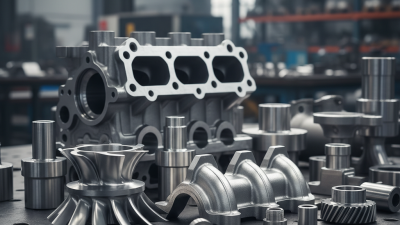
What Are Stainless Steel Castings and How Are They Made?
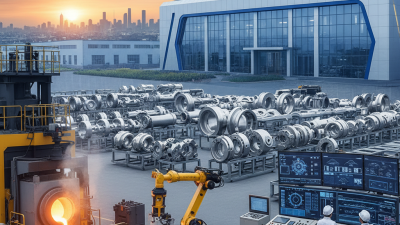
Stainless Steel Castings are shaped metal components produced by pouring molten stainless steel into prepared molds. They combine corrosion resistance with complex geometries that machining alone may struggle to create. Pumps, valves, marine fittings, food-processing equipment, and industrial housings often rely on them. Each application demands careful alloy selection.
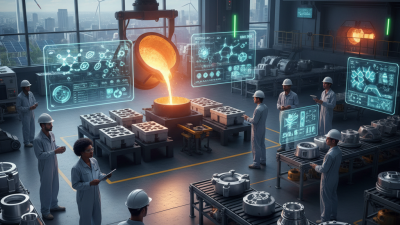
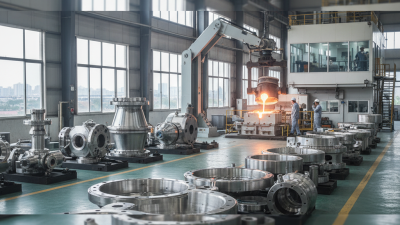
The process begins with a pattern and mold made to the required dimensions. Foundries may use investment casting, sand casting, or other specialized methods. Stainless steel is melted in a controlled furnace, often above 1,400°C, depending on its grade. Operators then pour the liquid metal into the mold under carefully monitored conditions. After cooling, workers remove the mold material, cut away gates, and clean the casting surface.
That sounds simple.
In practice, small choices can affect the final result. Pouring temperature, mold moisture, wall thickness, and cooling speed may influence shrinkage, porosity, distortion, or surface defects. Heat treatment can improve mechanical performance, while machining brings critical surfaces closer to specification. Reliable producers use visual checks, dimensional measurement, and suitable non-destructive testing. Chemical analysis also confirms whether the alloy matches the required grade, such as 304 or 316 stainless steel. Standards and customer drawings guide acceptance, but inspection cannot replace process experience. A casting may appear flawless and still contain internal weaknesses. That possibility deserves attention. Understanding how Stainless Steel Castings are made helps engineers evaluate quality, cost, service life, and the practical limits of each manufacturing method.
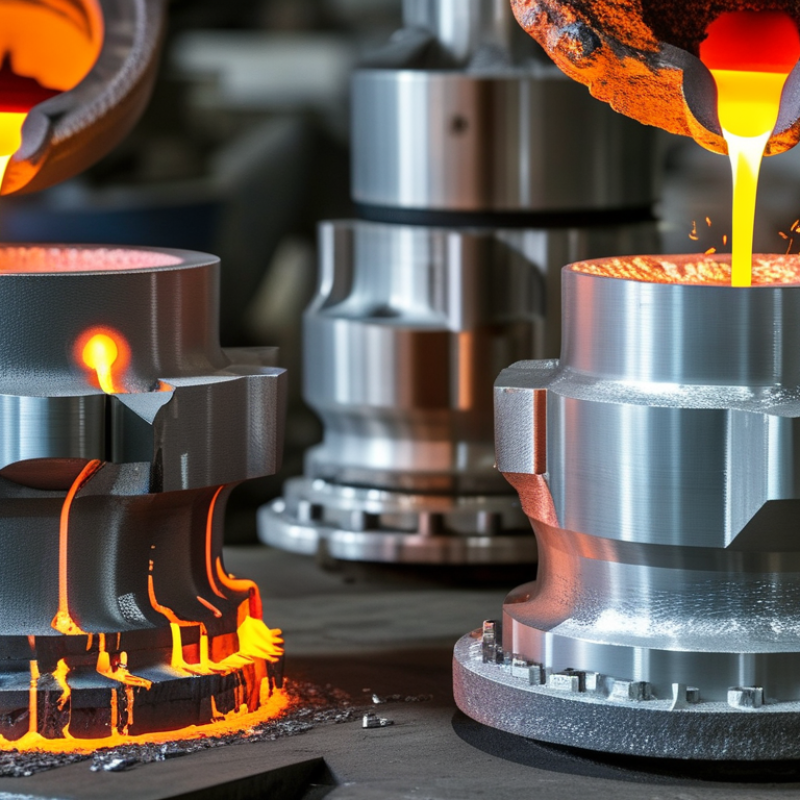
What Are Stainless Steel Castings?
Stainless steel castings are metal components formed by pouring liquid stainless steel into a shaped mold. Unlike wrought stainless steel, they solidify directly into near-final geometry. This method suits valve bodies, pump housings, impellers, and other complex industrial parts. Their key feature is corrosion resistance. Chromium in the alloy creates a thin passive oxide film on the surface. Nickel, molybdenum, and other elements can improve toughness or resistance to specific environments.
It is not magic.
Manufacturing begins with a pattern and a mold cavity matching the required shape. The foundry melts selected stainless steel, checks its chemistry, and pours it at a controlled temperature. As the metal cools, feeders supply liquid metal and reduce shrinkage defects. After removing the mold, workers cut gates, clean surfaces, and heat-treat the casting when required. Inspection may include dimensional checks, visual examination, hardness testing, and nondestructive testing. The exact route depends on alloy, size, wall thickness, and service conditions.
A sound casting requires more than a clean mold. Pouring speed, moisture, turbulence, and cooling behavior all affect internal quality. Small changes can create porosity, cracks, distortion, or uneven surfaces. Engineers therefore review drawings, tolerances, weldability, and corrosion exposure before production. In practical foundry work, the operating environment matters as much as the steel grade.
It is often missed.
A casting may look excellent yet fail early if chloride, temperature, or stress is underestimated.
Which Stainless Steel Alloys Are Used for Casting?
Stainless steel castings begin with an alloy choice, not merely a mold. The selection controls corrosion resistance, strength, weldability, and solidification behavior. World Stainless reports 58.4 million tonnes of crude stainless steel production in 2023. That scale reflects broad demand, but casting grades still require careful engineering.
Austenitic grades dominate many cast components. CF8, similar to 304 stainless steel, suits pumps, valves, and food-processing equipment. CF8M, related to 316 stainless steel, adds molybdenum for stronger resistance to chlorides and seawater. Low-carbon versions, such as CF3 and CF3M, reduce sensitization risks after welding. They are useful, though not automatically safer in every service condition.
Duplex grades, including CD4MCu and similar chromium-molybdenum compositions, provide higher strength and improved chloride resistance. They need strict control of ferrite and austenite balance during heat treatment. Ferritic and martensitic casting grades serve more specific needs. They can offer magnetic behavior, wear resistance, or higher hardness, but usually sacrifice some corrosion performance. Precipitation-hardening grades can deliver strength, yet their processing window is less forgiving.
ASTM A351 and ASTM A743 identify widely used stainless casting specifications. However, a specification alone does not guarantee performance. Foundries must control melt chemistry, pouring temperature, shrinkage, inclusions, and heat treatment. In practice, alloy selection is sometimes treated too simply. Service chemistry, section thickness, cleaning methods, and inspection results can change the final decision. That is where experienced metallurgical review matters.
How Is the Casting Mold Designed and Prepared?
Stainless steel castings begin with a mold designed around metal flow, shrinkage, and final dimensions. Engineers study wall thickness, corners, holes, and machining allowance before selecting a pattern. A sharp internal corner can trap heat and increase cracking risk. Rounded transitions usually improve filling and reduce stress. The pattern also includes extra metal for later machining. This allowance requires careful measurement. Too little can ruin a surface. Too much increases cost and cutting time.
For sand casting, technicians pack prepared sand around the pattern to form the cavity. The mixture needs enough strength to hold its shape, yet enough permeability to release gases. A gating system guides molten stainless steel into the cavity. Risers feed metal into areas that shrink during solidification. Vent locations matter, especially near deep pockets and high points. Before closing the mold, workers inspect the cavity for loose sand, broken edges, and unwanted moisture. Small defects can become expensive casting flaws.
The mold is assembled and aligned with firm support. Misalignment may create a visible step between the casting halves. Pouring temperature and mold preheating depend on the steel grade and section size. These values should come from tested procedures, not guesswork. In real production, the first trial is rarely perfect. Flow marks or incomplete filling may expose an overlooked detail. Reviewing the result and adjusting the gate, vent, or pattern supports reliable process control.
How Are Stainless Steel Castings Finished and Inspected?
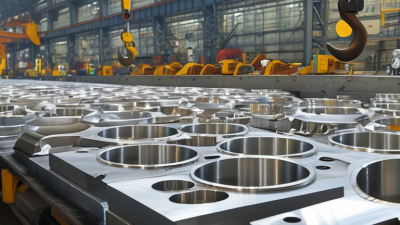
Stainless steel castings leave the mold with gates, risers, and uneven surfaces attached. Finishing turns this rough component into a usable engineering part. Technicians remove excess metal by sawing, grinding, or abrasive cutting. Grinding must follow the drawing, not just visual preference. Too much material removal can change a critical dimension. After cleaning, workers may use shot blasting to remove scale and loose residue. Pickling can clear heat tint and embedded iron from the surface. Passivation then helps rebuild the protective chromium-rich oxide layer. It does not repair cracks or poor casting quality. Some surfaces also require machining for accurate fits.
Inspection begins with the approved drawing and casting specifications. Inspectors check dimensions using calipers, gauges, or coordinate measuring equipment. They examine corners, holes, and transitions where shrinkage defects may hide. Liquid penetrant testing can reveal fine surface-breaking cracks. Radiographic or ultrasonic testing may examine internal areas, depending on geometry and service risk. Chemical analysis confirms the alloy composition. Tensile tests and hardness checks provide additional evidence of performance. No inspection system is perfect. A small grinding mark can escape a hurried visual check. That possibility deserves honest review. Clear inspection records should link each casting to its heat, process steps, test results, and final acceptance decision.