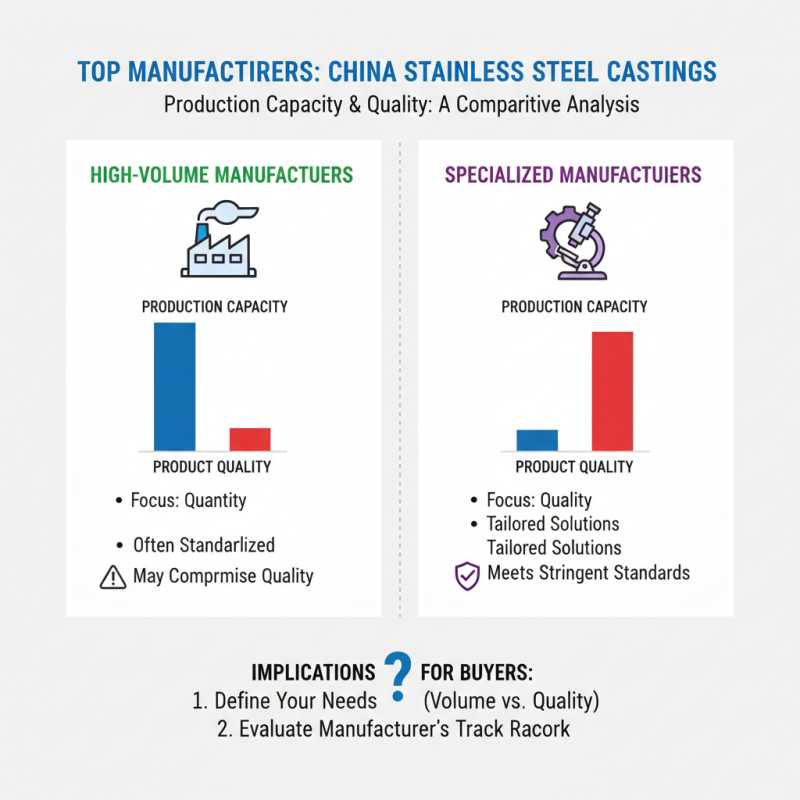
Top 10 Stainless Steel Castings Manufacturers in China?
In recent years, the demand for stainless steel castings has surged, resulting in a robust market in China. Experts believe that China is home to some of the top manufacturers in this field. According to Dr. Li Wei, a prominent specialist in metallurgical engineering, "The quality of stainless steel castings from China often surpasses expectations."
This comment reflects the advancements and innovation in China’s casting industry. The manufacturers are focusing on high precision and efficiency. Each step, from design to production, is meticulously executed to ensure quality. Companies are investing in technology to improve their processes. However, while many manufacturers excel, some still struggle with consistency and standards.
The stainless steel castings market is competitive, with numerous players vying for top positions. Identifying the best manufacturers can be challenging but crucial for sourcing reliable components. The growth of this industry opens doors for collaboration and development. Understanding the landscape of stainless steel castings in China will yield valuable insights for businesses and engineers alike, helping them make informed decisions.
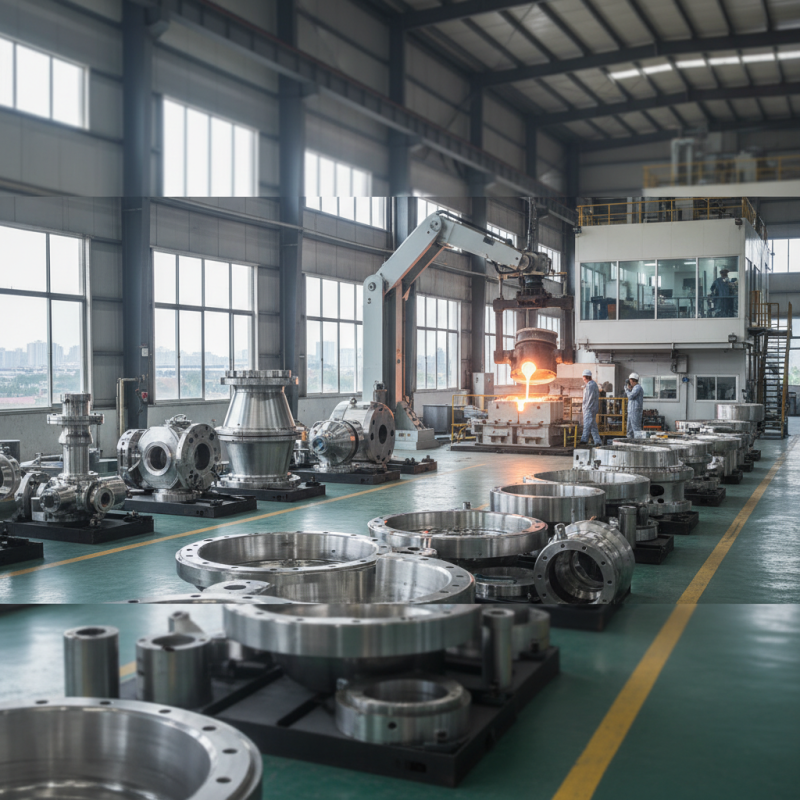
Overview of the Stainless Steel Casting Industry in China
The stainless steel casting industry in China has seen significant growth in recent years. Various sectors require high-quality castings, including automotive, aerospace, and medical. This demand drives manufacturers to adopt advanced technologies and innovative processes. As companies strive for efficiency, they face challenges like maintaining quality and minimizing production costs.
Environmental concerns are increasingly important. Manufacturers must comply with stricter regulations while optimizing their processes. This balancing act is essential for sustainable growth. The competition among local players can be fierce, pushing firms to enhance their capabilities continuously. However, not all manufacturers succeed, leading to questions about quality assurance and consistency.
Collaboration with research institutions can foster innovation. It can also help manufacturers keep pace with global standards. Still, some companies struggle to find the right partnerships. There are opportunities for improvement in skill development among the workforce. Addressing these gaps can help elevate the entire industry.
Key Factors Driving the Growth of Stainless Steel Castings Market
The stainless steel castings market is experiencing significant growth due to several key factors. One driving force is the rising demand in industries such as automotive and aerospace. These sectors require durable and lightweight materials. Stainless steel castings excel in providing strength and corrosion resistance. This performance enhances product longevity, which is crucial for manufacturers.
Another factor is the increasing focus on sustainability. Companies aim to reduce their carbon footprint. Stainless steel is recyclable, making it an eco-friendly choice. This aligns with global efforts toward sustainable manufacturing practices. The move toward greener solutions has led to increased investments in the development of advanced stainless steel casting technologies.
Tip
: When choosing a manufacturer, consider their production capabilities and experience. Research their past projects to assess their reliability.
Moreover, innovation plays a role in the market. New techniques in casting improve efficiency and reduce waste. However, challenges remain in meeting strict quality standards. Manufacturers must continuously adapt to evolving regulations and customer expectations.
Tip
: Always seek transparency from manufacturers. A reliable partner should provide clear information about their processes and material sourcing.
The growth of the stainless steel castings market offers opportunities. Yet, it is essential to acknowledge the potential hurdles in maintaining high-quality production.
Market Trends: Innovations and Technological Advancements in Stainless Steel Castings
The stainless steel castings market is evolving rapidly. Innovations in manufacturing processes are transforming how components are produced. Advanced techniques, like 3D printing, are now enhancing design flexibility. These technologies allow for more complex shapes and lighter structures that were previously impossible. Moreover, the ability to optimize material usage leads to cost savings and reduced waste.
Technological advancements are also improving the mechanical properties of stainless steel. New alloys are being developed that provide greater strength and corrosion resistance. This is essential for industries such as aerospace and automotive, where performance is critical. However, as manufacturers adopt these new technologies, challenges remain. Training workers to operate advanced equipment is crucial yet often overlooked. Awareness around the environmental impact of casting processes is growing, and companies are seeking more sustainable practices.
Innovation is a double-edged sword. While it creates new opportunities, there are risks associated with rapid changes. Companies must stay agile and adapt to shifting market demands. The importance of research and development cannot be overstated. Understanding market trends is vital for remaining competitive. Steps must be taken to anticipate customer needs and integrate feedback into future innovations.
Challenges and Opportunities for Stainless Steel Casting Manufacturers in China
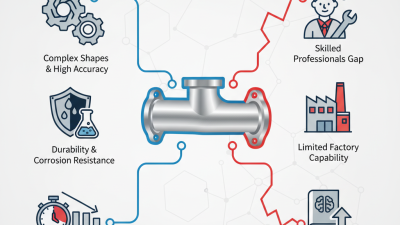
The stainless steel casting industry in China faces significant challenges. Production costs have risen due to fluctuating raw material prices. According to industry reports, material costs can account for over 50% of total production expenses. This increase directly impacts profit margins for manufacturers. Additionally, labor shortages have emerged, leading to delays in production schedules. Many skilled workers are leaving the industry, further complicating operations.
On the opportunity front, the demand for stainless steel castings continues to rise. Industries such as automotive and aerospace are seeking lightweight, high-strength materials. The global stainless steel castings market is projected to grow at a CAGR of 5.7% from 2023 to 2030. This growth offers manufacturers a chance to expand their market share. Investing in advanced technologies, like automated casting processes, could enhance efficiency. However, the transition can be costly and requires careful planning.
Sustainability is another area where manufacturers must improve. Many firms struggle to meet environmental regulations while maintaining production levels. Adapting to these regulations can lead to initial setbacks. Yet, embracing eco-friendly practices may position manufacturers favorably in an increasingly aware market. Balancing costs, labor, and sustainability is key to ensuring long-term viability.