China Top Stainless Steel Investment Casting Suppliers Guide?
In today's manufacturing landscape, selecting the right supplier for Stainless Steel Investment Casting is crucial. China has established itself as a leading player in this industry. The suppliers in this sector offer a range of products, services, and expertise. Their capabilities can cater to various industrial needs, from automotive to aerospace.
However, finding reliable suppliers can be challenging. There are many options available, each with unique strengths and weaknesses. Some suppliers boast extensive experience, while others may lack proper certification. Buyers often grapple with quality assurance and delivery timelines. Understanding these dynamics is key to making informed decisions.
Potential buyers should consider multiple factors. Assessing the supplier’s past projects can provide insights into their reliability. Additionally, it's essential to check for customer reviews and industry reputation. While many suppliers claim superiority, not all deliver on their promises. Careful evaluation is necessary to avoid setbacks.
Overview of Stainless Steel Investment Casting in China
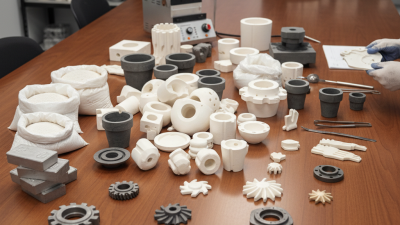
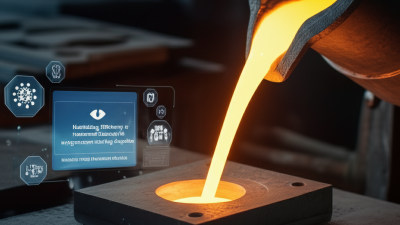
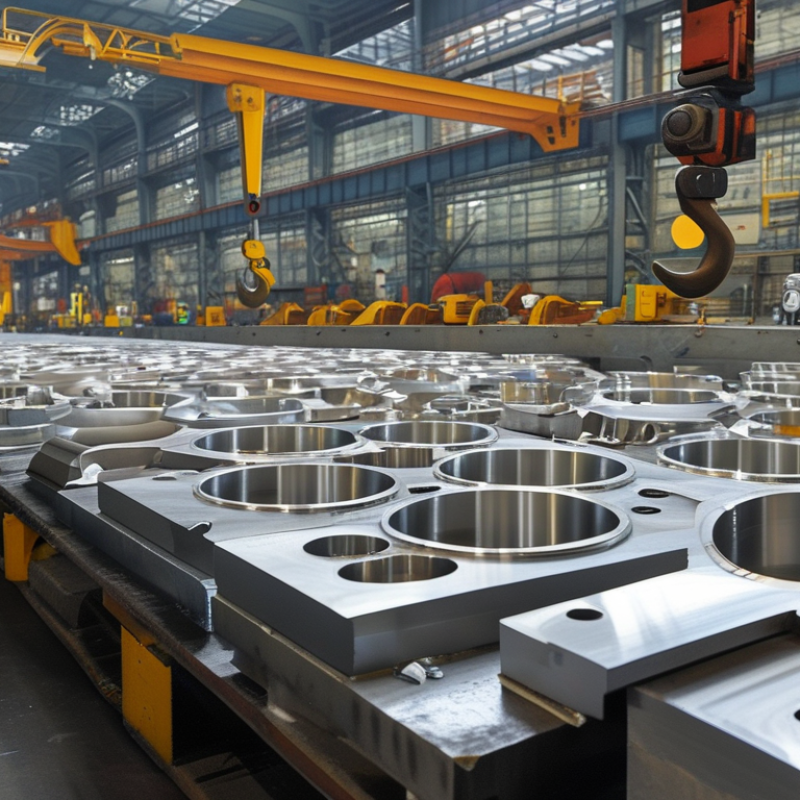
Stainless steel investment casting has gained popularity in China. This method allows for complex shapes and high precision. It involves creating a mold from wax patterns. The wax is melted away, leaving a cavity for molten stainless steel. This process ensures fine details are captured, making it ideal for intricate designs.
China's casting industry has evolved significantly. Many suppliers provide quality products, but variability in standards exists. Some manufacturers excel in innovation, while others focus on cost. It can be challenging to identify the best partners. Limited transparency and inconsistent quality can lead to buyer frustrations. Researching supplier backgrounds is critical.
Local expertise is valuable in navigating this landscape. Many suppliers have decades of experience. It is essential to evaluate their capabilities thoroughly. Asking for samples and references can assist in making informed decisions. Understanding the market dynamics in China can enhance partnerships. This requires diligence and careful consideration.
Key Factors to Consider When Choosing Suppliers
When selecting stainless steel investment casting suppliers in China, quality stands out. Check the material standards they adhere to. The best suppliers will use top-notch steel grades that meet industry specifications. Understanding the grade helps ensure durability and longevity of the cast products.
Communication is critical. A supplier that responds promptly demonstrates professionalism. Make sure to ask about their manufacturing process. This insight reveals their expertise and capabilities. You want a partner who is transparent about their operations.
Tips: Always request samples before making large orders. This step allows you to evaluate their quality firsthand. Never hesitate to request references. Speaking with past clients can shed light on the supplier's reliability. Find a balance between cost and quality. Cheaper isn't always better. Reflect on experiences; learning from mistakes can lead to better supplier choices.
Top Stainless Steel Investment Casting Suppliers in China
China has become a significant player in the stainless steel investment casting market, catering to an increasingly global demand. According to a recent report by Smithers Pira, this market is expected to grow at a CAGR of 6.3% over the next five years. The high demand is driven by industries such as automotive, aerospace, and industrial machinery, needing precision-engineered components. China's advanced manufacturing capabilities and skilled workforce play crucial roles in meeting these demands.
The top suppliers of stainless steel investment casting in China focus on quality and innovation. They employ state-of-the-art equipment and adhere to international quality standards. Many factories are located in regions like Jiangsu and Zhejiang, known for their manufacturing excellence. However, challenges remain. A notable concern is the inconsistency in quality control practices across various suppliers. Additionally, fluctuations in raw material prices can impact production costs and timelines.
Many of these suppliers are also investing in research and development. New alloy compositions and casting techniques are being explored. This investment is crucial for maintaining a competitive edge. However, the fast-paced nature of the industry can lead to oversight in quality checks. Balancing innovation with quality assurance is essential for sustained growth. Industry leaders emphasize the need for continuous improvement to navigate these complexities effectively.
China Top Stainless Steel Investment Casting Suppliers Guide
| Supplier Region |
Annual Production Capacity (tons) |
Export Volume (USD) |
Certifications |
Years in Business |
| Eastern China |
5000 |
3,000,000 |
ISO 9001, ASTM |
15 |
| Southern China |
8000 |
5,000,000 |
ISO 14001, CE |
20 |
| Northern China |
6000 |
4,000,000 |
ISO 9001, TS 16949 |
10 |
| Central China |
7000 |
2,500,000 |
ISO 9001, ISO 45001 |
12 |
Quality Control Standards in Chinese Investment Casting
Quality control is crucial in the investment casting industry, especially in China. Many suppliers adhere to rigorous standards to ensure the integrity of their products. For instance, proper material selection is essential. Manufacturers often rely on a series of tests to verify the chemical composition of stainless steel alloys. These tests help to ensure that the final products meet industry specifications.
In addition, control measures during the casting process play a vital role. Suppliers utilize advanced technology, like computer simulations, to model the casting process. This helps detect potential issues before actual production begins. Regular inspection throughout the process is necessary. Adherence to ISO standards can significantly enhance product reliability.
However, quality control in Chinese investment casting is not always perfect. Some suppliers may lack sufficient resources or experience. This can lead to inconsistencies in product quality. It’s essential for customers to carry out thorough due diligence when selecting a supplier. Assessing the supplier's quality management system can prevent future problems.
Future Trends in China's Stainless Steel Investment Casting Industry
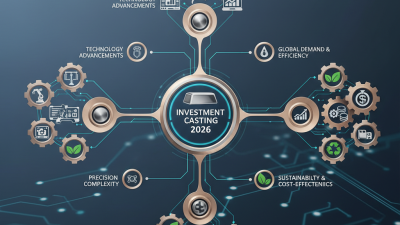
The future of China's stainless steel investment casting industry looks promising yet complex. Innovations in technology are shaping this sector. Enhanced techniques like 3D printing and advanced automation are improving efficiency. These advancements help manufacturers reduce waste and optimize production times.
However, there are challenges. The fluctuating prices of raw materials can hinder progress. Additionally, environmental regulations are tightening, prompting companies to adopt greener practices. Adapting to these changes will be crucial for future competitiveness.
Tips: Collaborate closely with suppliers to ensure quality. Monitor market trends continuously. And, invest in employee training to keep pace with new technologies. These strategies can bridge the gap between current practices and future needs. Embracing adaptability will lead to sustained growth in this evolving landscape.