How to Choose the Best Stainless Steel Castings for Your Needs?
Choosing the right stainless steel castings can profoundly impact your project’s success. An industry expert, Dr. Emily Chen, emphasizes, “Quality stainless steel castings can greatly enhance both durability and performance.” With her extensive background in materials engineering, she highlights the importance of selecting castings that suit specific needs.
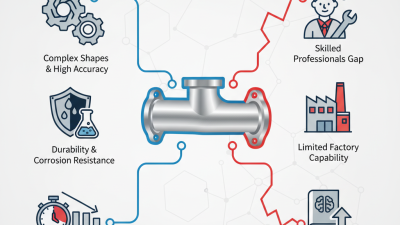
Stainless steel castings serve a variety of applications, from automotive parts to marine components. Each application requires a distinct type of stainless steel, presenting a unique set of challenges. Factors such as alloy composition, grain structure, and environmental factors play pivotal roles in the selection process. This makes it crucial to understand your specific requirements before making a choice.
Despite advancements, not all suppliers uphold the same standards. It can be challenging to navigate the market filled with options. Researching reliable manufacturers can feel overwhelming. However, seeking expert guidance can alleviate some of these concerns. It's essential to reflect on your priorities and ask the right questions. Only then can you make informed choices in the world of stainless steel castings.

Understanding Stainless Steel Casting Types and Their Applications
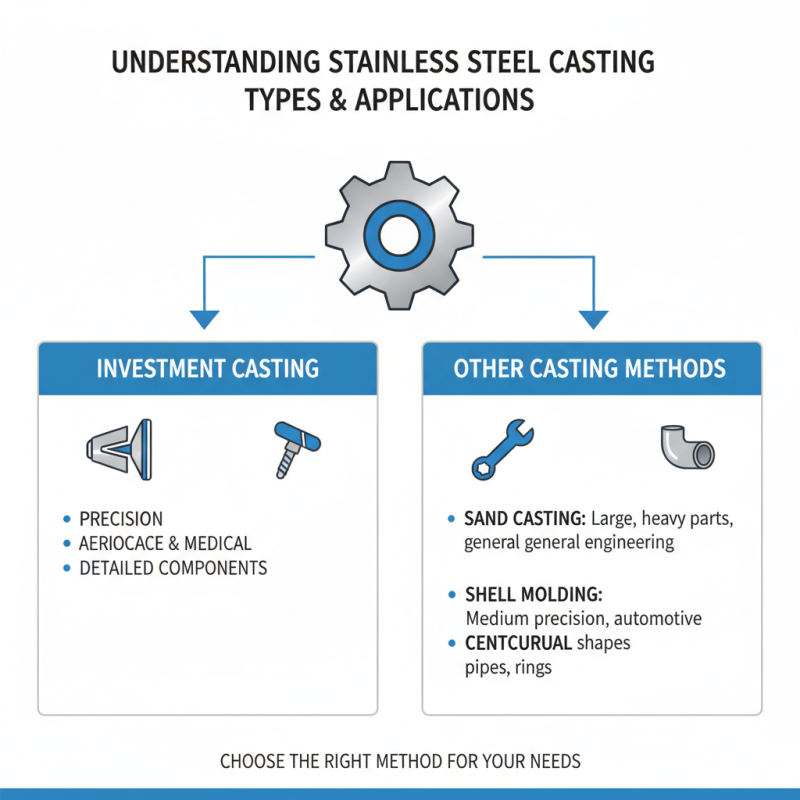
When selecting stainless steel castings, understanding the different types and their applications is crucial. There are several casting methods, each suited for specific uses. Investment casting is known for its precision and is often used in aerospace and medical sectors. This method allows for intricate designs, creating highly detailed components.
Sand casting, on the other hand, is widely utilized for larger items. It's less precise but more cost-effective for bulk production. This type of casting is seen in industrial applications, such as machinery parts. However, the rough finish may require additional machining, which could add to overall costs.
Die casting provides speed and efficiency for high-volume production of parts. It's ideal for automotive components but may not handle as much complexity. The surface finish is smoother, reducing the need for further processing. Choosing the right method means weighing potential trade-offs. Consider performance requirements alongside budget constraints. Each casting type has unique strengths and weaknesses that you must carefully evaluate.
Key Factors to Consider When Selecting Stainless Steel Castings
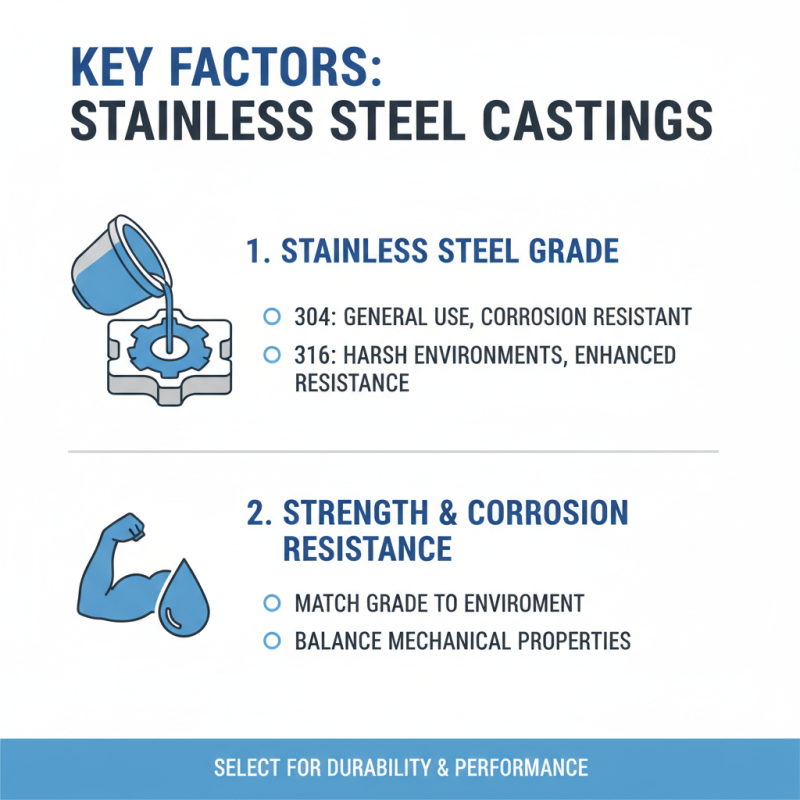
When selecting stainless steel castings, several key factors come into play. The first consideration is the grade of stainless steel. Different grades offer varying levels of corrosion resistance and strength. For instance, 304 stainless steel is commonly used for general applications, while 316 provides superior resistance to harsh environments.
Another important aspect is the manufacturing process. The method of casting—whether it's sand casting or investment casting—affects the final product's quality. Sand casting is often more economical, but investment casting yields a finer finish and more precise dimensions. This choice ultimately impacts the durability of the finished piece.
Tips: Always ask for specifications and certifications. This ensures the material meets industry standards. Don’t overlook the importance of surface finish; a smoother surface often indicates better treatment and longevity. Finally, consider the design complexity. More intricate designs may be challenging and can lead to unforeseen costs.
In short, while there’s a lot to think about, taking the time to assess these factors can save you frustration later. Always seek reliable sources and consult with experts before finalizing your choice. Careful evaluation leads to better performance in the long run.
Evaluating Quality Standards and Certifications for Stainless Steel Castings
When evaluating stainless steel castings, quality standards and certifications matter significantly. Various organizations establish benchmarks that define quality. Look for certifications such as ISO 9001, which indicates adherence to quality management systems. These certifications enhance your confidence in the product’s reliability.
Consider the specific applications for your castings. Different use-cases might require different stainless steel grades. For example, marine environments demand corrosion-resistant materials. Always ask suppliers about their compliance with recognized standards. This guarantees that the product will perform as expected under varying conditions.
Tips: Inspect the castings visually for surface finish and defects. Reject any that don’t meet your visual standards. Check for documentation that proves compliance with requested certifications. Moreover, do not hesitate to request test results related to material properties. Each step you take toward due diligence increases your assurance of quality. Always question, adjust, and ensure that every casting fits your precise needs.
How to Choose the Best Stainless Steel Castings for Your Needs? - Evaluating Quality Standards and Certifications for Stainless Steel Castings
| Property |
Standard |
Certification |
Typical Applications |
| Mechanical Properties |
ASTM A743 |
ISO 9001 |
Pump Components |
| Corrosion Resistance |
ASTM A268 |
AS9100 |
Chemical Processing |
| Dimensional Accuracy |
ASTM A995 |
NADCAP |
Aerospace Components |
| Surface Finish |
ASTM B117 |
ISO 14001 |
Food Processing Machinery |
| Weldability |
AWS D1.6 |
ISO 45001 |
Construction Components |
Comparing Cost-Effectiveness of Different Stainless Steel Casting Suppliers
When evaluating the cost-effectiveness of stainless steel casting suppliers, it's essential to consider multiple factors. The price per unit is important, but it isn't the only metric. Quality control practices can vary widely among suppliers, affecting overall costs through reduced waste and higher durability. A cheaper casting might not perform well, leading to increased replacements or repairs.
Another aspect to assess is the supplier's reputation. Look for those with a history of reliable delivery and consistent quality. Customer reviews and industry recognition can offer insights into their reliability. Engaging with suppliers who prioritize transparency can pay off. It helps build trust and ensures you're getting what you pay for.
Be cautious about options that seem too good to be true. Lower prices can sometimes indicate subpar materials or craftsmanship. Request samples and compare them for quality assurance. Evaluate how these factors ultimately impact your budget. An initial lower cost might result in higher long-term expenses if not properly evaluated.
Maintenance and Care Tips for Stainless Steel Castings in Use
Stainless steel castings require regular maintenance to ensure their longevity and durability. A simple cleaning routine can make a significant difference. Use mild soap and water to remove dirt and grime. Avoid abrasive materials that can scratch the surface. Rinse and dry thoroughly to prevent water spots. This approach not only keeps the castings looking new but also helps prevent corrosion.
In addition to regular cleaning, inspect your castings periodically. Look for any signs of wear or damage. Early detection can save costs in the long run. If you notice rust spots, treat them promptly with a stainless steel cleaner. Applying a protective sealant can further enhance resistance to environmental factors. However, always test the sealant on a small area first to ensure compatibility.
Stainless steel is tough, but it is not infallible. Exposure to harsh chemicals can lead to discoloration and structural weaknesses. Pay attention to the environment where the castings are used. High humidity and salt exposure can accelerate deterioration. A proactive approach to maintenance is vital. By being attentive to detail, you can prolong the life of your stainless steel castings.
Stainless Steel Castings Maintenance and Care
This chart illustrates the recommended maintenance and care schedule for stainless steel castings, highlighting cleaning frequency, protective coating application, inspection frequency, and the percentage of repair actions needed to ensure optimal performance and longevity.