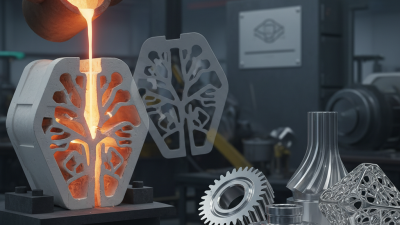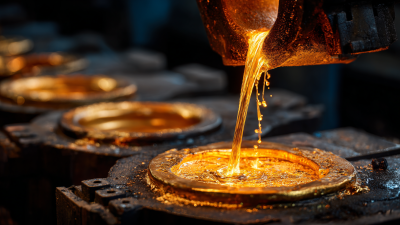
Choosing Silica Sol Investment Casting begins with a practical question: what must the finished component achieve? This process creates accurate metal parts with smooth surfaces and complex shapes. It can reproduce thin walls, curved passages, and fine details that traditional machining may struggle to form. In a well-controlled foundry, technicians build wax patterns, assemble ceramic shells, remove the wax, and pour molten alloy into the prepared cavity. Each stage matters.
Small defects matter.
Experienced engineers monitor slurry viscosity, shell drying time, firing temperature, and pouring conditions. These details influence dimensional stability and surface quality. A carefully prepared shell may capture the shape of a small impeller, medical instrument component, or aerospace fitting with impressive consistency. However, the process is not automatically perfect. Poor wax control can create distortion. Uneven shell drying may cause cracks. That reality deserves attention.
Silica Sol Investment Casting also supports reduced machining requirements, especially when designs include internal channels or irregular contours. Less material removal can save time and preserve valuable alloys. Still, buyers should evaluate the complete production plan, not only the casting method. Tooling design, alloy selection, inspection methods, and production volume all affect the final result. Reliable suppliers should provide process records, material traceability, dimensional reports, and clear communication about limitations. Certifications can strengthen confidence, but documented workmanship matters too. In my experience, the best results come from early cooperation between designers, foundry specialists, and quality teams. The method is powerful. It still requires disciplined decisions.
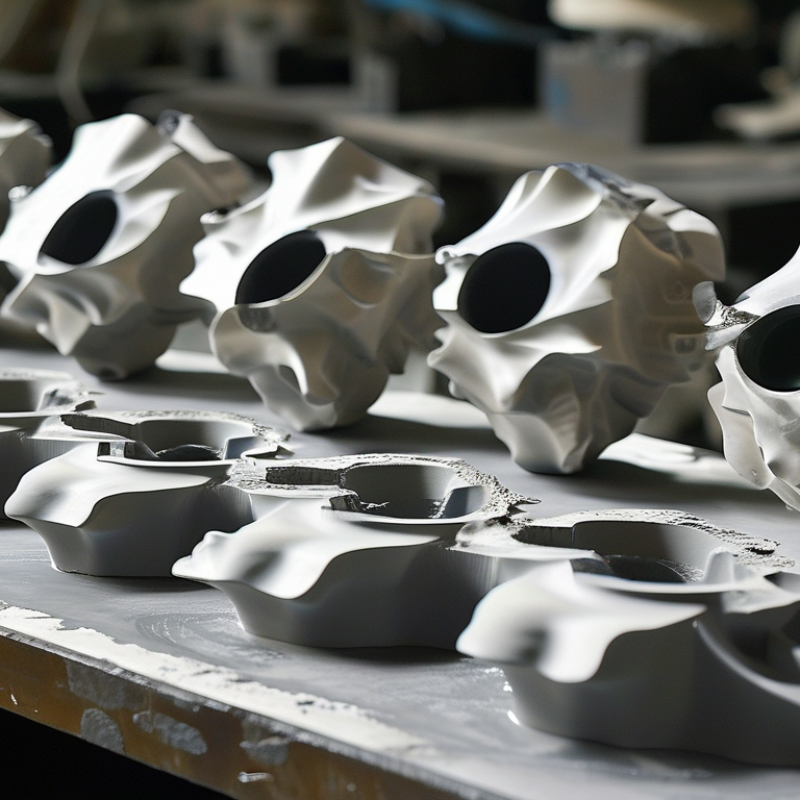
Silica sol investment casting is a precision metal-forming process that uses a ceramic shell and a disposable wax pattern. Silica sol acts as the binder inside the shell material. It helps create a strong, stable mold around detailed shapes.
The process begins with a wax model. Technicians coat it with fine ceramic slurry, then add several layers of ceramic stucco. Each layer must dry under controlled temperature and humidity. After the shell hardens, heat removes the wax. The ceramic mold is then fired before molten metal enters its cavity. Once the metal cools, workers break away the shell and inspect the casting.
The details matter.
In practical foundry work, silica sol shells can produce smooth surfaces, sharp edges, and accurate dimensions. These qualities may reduce machining and preserve small features such as ribs, slots, and curved passages. The method suits stainless steel, heat-resistant alloys, and other demanding metals. However, it is not automatically better for every component. Shell drying takes time, and poor control can cause cracks, inclusions, or dimensional variation. Engineers should review wall thickness, pouring temperature, shrinkage, and inspection results before selecting the process. Even experienced teams can find defects after a seemingly clean pour. That uncomfortable fact encourages better testing, clearer records, and more careful process adjustments.
Silica sol investment casting uses a ceramic shell made with colloidal silica. The process produces detailed metal parts with a relatively smooth surface and consistent dimensional accuracy, making it suitable for complex geometries and applications that require reduced machining.
The chart shows representative typical surface-roughness ranges expressed as Ra. Silica sol investment casting commonly achieves approximately 3.2–6.3 μm Ra, while actual results depend on alloy, pattern quality, shell materials, and process control. Lower Ra values indicate a smoother cast surface.
Silica sol investment casting starts with a wax pattern that reproduces the final component. Technicians assemble patterns onto a wax tree, then dip them into a fine ceramic slurry. Colloidal silica binds the ceramic particles. After each dip, stucco is applied and the shell dries under controlled conditions. The cycle repeats until the shell reaches the required strength.
The 2024 Fortune Business Insights report estimated the global investment casting market at about USD 16 billion in 2023, reflecting strong demand for accurate metal components in aerospace, energy, and medical equipment.
The finished shell enters a dewaxing stage, usually through steam autoclaving or controlled heating. The empty ceramic mold is then fired to remove residues and stabilize its structure. Molten metal fills the hot shell, following the detailed cavity created by the wax.
After cooling, workers break away the ceramic, cut individual castings from the tree, and inspect critical surfaces. ISO 8062-3 defines casting dimensional tolerance grades, but the standard does not replace process control. A perfect-looking shell can still hide cracks. Drying remains a common weakness. I would not call this process effortless.
Tips: Control humidity, slurry viscosity, and drying time together. Record every shell layer. Check wax dimensions before coating. Use visual inspection, dimensional measurement, and suitable non-destructive testing for critical parts. Small adjustments matter.
Silica sol investment casting produces complex metal parts with fine surfaces and accurate dimensions. In practical production, this means fewer machining operations after casting. Thin walls, small holes, sharp profiles, and internal passages can often be formed more effectively. The process uses a ceramic shell built around a wax pattern. Each coating layer must dry evenly. Humidity, temperature, and drying time directly affect shell strength and casting quality.
Its key advantage is dimensional consistency across demanding components. A controlled shell can reduce flash, surface defects, and material waste. It also supports stainless steel, carbon steel, aluminum alloys, and other engineering metals. This flexibility helps manufacturers select materials based on strength, corrosion resistance, or operating temperature. Silica sol shells usually provide better surface detail than many conventional investment casting methods. The result can be a cleaner finish with less grinding.
It is not a magic solution. Tooling costs, longer shell preparation, and strict process control may challenge small production runs. I have seen minor wax distortion create larger defects later. That lesson is easy to overlook. Careful pattern inspection, ceramic testing, and documented process records improve reliability. Engineers should also review tolerances with the foundry before production begins. A realistic design review prevents expensive corrections. Small details matter.
Why Choose Silica Sol Investment Casting?
Materials and Applications for Silica Sol Castings
Silica sol investment casting uses a colloidal silica binder to build a strong ceramic shell around a wax pattern. The shell commonly contains zircon, fused silica, alumina, or other refractory materials. Each choice affects surface finish, thermal stability, and casting accuracy. Zircon flour can support smooth surfaces, while alumina often performs well at higher temperatures. The material combination must match the alloy.
The process suits stainless steel, carbon steel, nickel alloys, and selected heat-resistant metals. It is useful for valve bodies, pump impellers, medical components, food-processing parts, and aerospace hardware. Complex passages and thin walls are possible without extensive machining. That saves material and preserves functional details. However, the method is not forgiving. Shell layers need controlled viscosity, drying time, humidity, and temperature. A small moisture change can cause cracks or weak spots during dewaxing.
In practical production, inspection should begin before pouring. Technicians can check slurry viscosity, shell thickness, pattern quality, and firing conditions. Dimensional measurement and visual inspection then reveal problems that process records may miss. Silica sol shells often provide cleaner surfaces than some alternative binders, but “better” depends on geometry and alloy. I have seen a carefully designed shell fail because drying was rushed. That lesson remains important: casting performance comes from consistent control, not one impressive material alone.
| Material Family | Typical Composition or Grade Group | Approx. Density | Approx. Melting Range | Key Material Characteristics | Common Applications | Why Silica Sol Investment Casting Is Suitable |
|---|---|---|---|---|---|---|
| Carbon Steel | Low- and medium-carbon steels; carbon generally below about 0.60% | About 7.85 g/cm³ | About 1,425–1,540°C | High strength, good machinability in suitable grades, and useful wear resistance | Valve bodies, brackets, levers, pump components, industrial hardware, and structural fittings | Produces near-net-shape parts with reduced machining, especially when complex contours or internal passages are required |
| Stainless Steel | Austenitic, martensitic, ferritic, and precipitation-hardening stainless grades | About 7.6–8.1 g/cm³ | About 1,370–1,530°C | Corrosion resistance, strength, hygiene, and resistance to heat or oxidation depending on grade | Food-processing equipment, medical instruments, marine hardware, chemical equipment, pumps, and valves | Fine ceramic shells can support detailed surfaces and help reduce finishing work on corrosion-resistant components |
| Nickel-Based Alloys | Nickel-chromium, nickel-iron, and precipitation-strengthened nickel alloys | About 7.9–8.9 g/cm³ | About 1,260–1,450°C | High-temperature strength, oxidation resistance, and resistance to creep and corrosion | Turbine components, exhaust parts, furnace hardware, chemical-processing equipment, and energy-sector components | Suitable for complex heat-resistant parts where machining is difficult and dimensional control is important |
| Cobalt-Based Alloys | Cobalt-chromium and cobalt-chromium-molybdenum alloy groups | About 8.3–9.2 g/cm³ | About 1,280–1,450°C | Excellent wear resistance, hot strength, corrosion resistance, and biocompatibility in selected grades | Dental frameworks, orthopedic components, wear-resistant parts, and high-temperature machinery | The process can reproduce intricate geometries that would be expensive or difficult to machine from hardened alloy |
| Aluminum Alloys | Aluminum-silicon and heat-treatable aluminum alloy groups | About 2.6–2.8 g/cm³ | About 570–660°C | Low weight, good castability, thermal conductivity, and useful corrosion resistance | Aerospace brackets, lightweight housings, robotics, automotive components, and heat-management parts | Useful for lightweight, detailed parts with thin sections; process parameters must control shell strength and metal flow |
| Copper-Based Alloys | Brass, bronze, copper-nickel, and other copper alloy groups | About 8.3–8.9 g/cm³ | About 900–1,085°C | Good electrical or thermal conductivity, corrosion resistance, and wear performance depending on alloy | Electrical connectors, impellers, marine fittings, decorative hardware, bushings, and heat-transfer components | Fine shell surfaces help preserve decorative details, flow passages, and functional contours with limited post-processing |
| Titanium Alloys | Commercially pure titanium and alpha-beta titanium alloy groups | About 4.4–4.6 g/cm³ | About 1,660–1,670°C | High strength-to-weight ratio, corrosion resistance, and good biocompatibility in appropriate grades | Aerospace structures, medical implants, chemical equipment, and high-performance mechanical parts | Near-net-shape production can reduce waste and machining of expensive, difficult-to-cut material |
In practical production reviews, the first question is often tooling flexibility. Wax patterns can reproduce complex shapes while reducing extensive machining. Silica sol binders can also support a smoother ceramic shell and a cleaner casting surface. However, shell preparation needs strict control of slurry viscosity, drying time, and humidity. A rushed drying cycle may create defects. That trade-off is easy to underestimate.
Material compatibility deserves careful attention. Stainless steels, heat-resistant alloys, and other engineering metals may require controlled melting and pouring conditions. Ask whether the foundry can provide heat records, material certificates, dimensional reports, and non-destructive testing when necessary. Reliable suppliers should explain their process limits instead of promising perfect results. I would also compare lead time and total cost, including tooling, finishing, inspection, and possible rework. Silica sol casting is not automatically the cheapest option for simple, high-volume parts. For a complex component where machining would remove valuable material, the economics can change considerably. Prototype trials remain worthwhile, because drawings rarely reveal every manufacturing risk.