Top Investment Casting Parts Trends for 2026 What Buyers Need to Know
As we look ahead to 2026, the landscape of Investment Casting Parts is poised for significant evolution. According to a report from MarketsandMarkets, the investment casting market is projected to grow from $15.4 billion in 2021 to $21.4 billion by 2026. This growth reflects increasing demand in aerospace, automotive, and medical sectors.
Buyers must stay alert to key trends shaping this industry. Advanced technologies like 3D printing are enhancing design precision and reducing waste. However, challenges such as fluctuating raw material prices and supply chain instability remain concerning. Companies need to adapt quickly to these market dynamics to stay competitive.
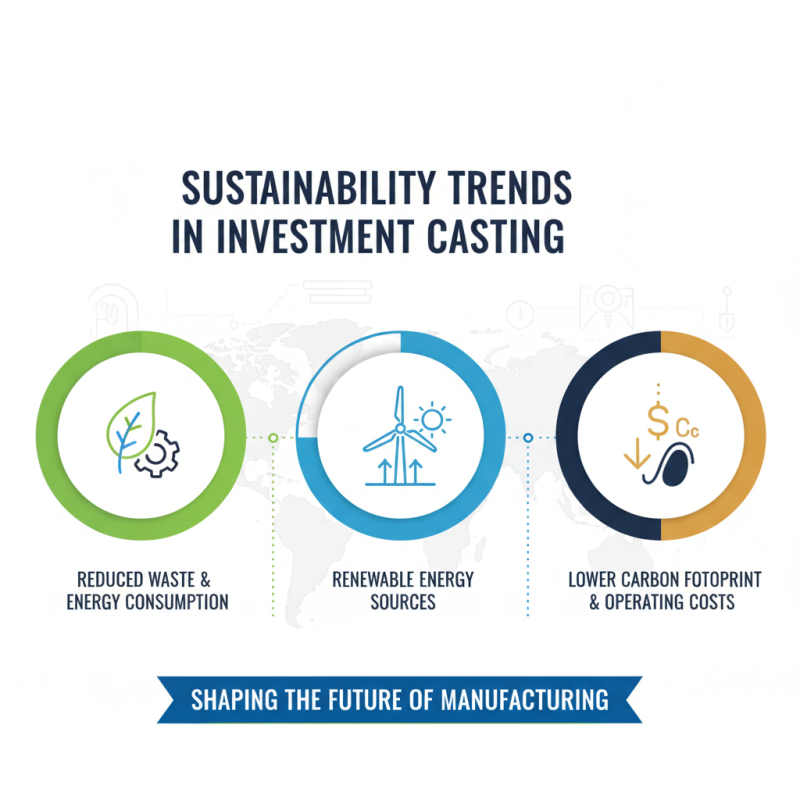
Moreover, sustainability has become an essential consideration. Many manufacturers are adopting eco-friendly practices to align with consumer expectations. This shift is critical, but it requires thoughtful integration into existing processes. Balancing innovation and sustainability in Investment Casting Parts is not just advantageous but necessary for long-term success.
Emerging Materials in Investment Casting for 2026
Investment casting is evolving as we approach 2026. Emerging materials are crucial to this transformation. Many industries are increasingly adopting lightweight and high-strength materials to enhance performance metrics. According to a recent report by MarketsandMarkets, the investment casting market is projected to grow from $18.2 billion in 2021 to $25.7 billion by 2026, driven largely by these new materials.
Innovative alloys are becoming more prevalent. For instance, titanium and nickel-based super alloys are gaining attention for their durability and resistance to extreme conditions. These materials are not only lightweight but also offer superior mechanical properties. Reports indicate that titanium casting is anticipated to reach over $500 million in market value by 2026. However, the processing of these materials can be complex and requires specialized expertise.
There's also a rise in sustainable options, such as recycled metal feedstocks. Companies are exploring eco-friendly practices in investment casting. This trend aligns with increasing regulatory pressures and consumer demand for greener products. Nevertheless, the transition to these materials may involve challenges. Investment in knowledge and technology is essential for manufacturers to harness these opportunities effectively. Understanding these material trends is vital for buyers looking to stay competitive in the evolving market.
Innovative Technologies Shaping Investment Casting Processes
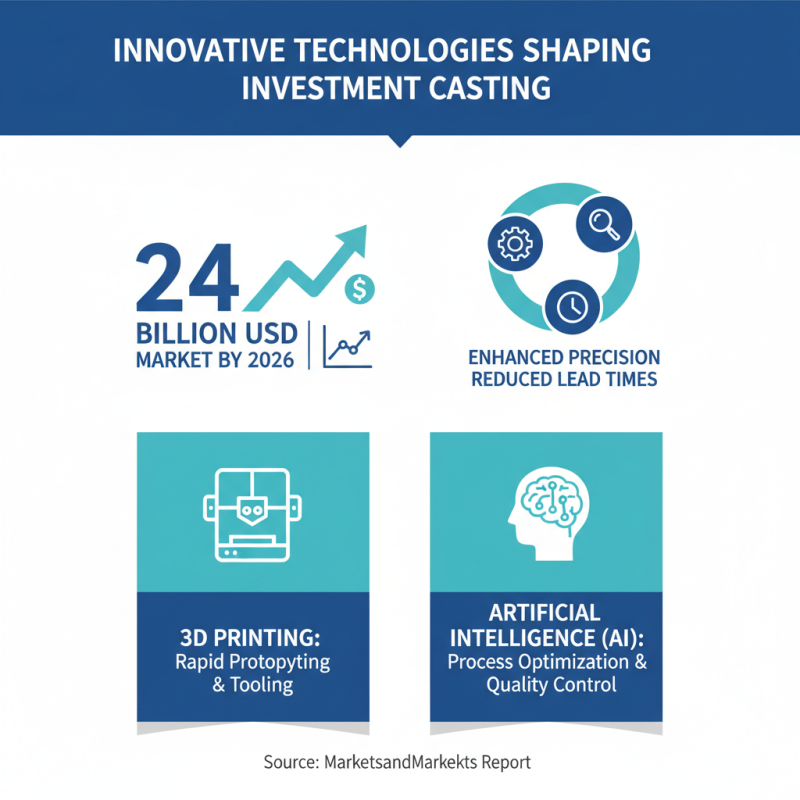
Investment casting processes are evolving rapidly, influenced by cutting-edge technologies. According to a recent report by MarketsandMarkets, the investment casting market is expected to reach $24 billion by 2026, driven by advancements such as 3D printing and artificial intelligence. These technologies enhance precision and reduce lead times, crucial aspects for manufacturers.
3D printing, or additive manufacturing, allows for creating complex geometries that traditional methods cannot achieve. This shift opens doors for customization and on-demand production. As per the 2021 Wohlers Report, the additive manufacturing sector is projected to grow by 28.6% annually. This growth reflects the industry's demand for innovative methods that streamline processes and improve efficiency.
Moreover, the integration of AI in investment casting is reshaping quality control. AI algorithms analyze casting defects, making the process more reliable. A study by McKinsey highlighted that companies employing AI technologies in manufacturing could increase their productivity by 20-30%. However, the challenge lies in the initial investment and necessary workforce training. Companies need to weigh the benefits against these hurdles for a smoother transition.
Market Demands and Consumer Behavior Influencing Investment Casting
Investment casting is evolving rapidly. As market demands shift, consumers are becoming more discerning. This change influences how manufacturers approach production.
Recent data shows a growing preference for lightweight and durable materials. Buyers prioritize efficiency in the production process. Speed and quality are key factors driving investment decisions. Many manufacturers struggle to balance these elements. Some invest in technology but overlook the importance of skilled workers. This gap can lead to inconsistencies in product quality.
Sustainability is another crucial factor. Consumers increasingly favor eco-friendly practices. Companies that adapt to these preferences can gain a competitive edge. However, not all manufacturers are ready to embrace change. There’s often resistance to altering established practices. This hesitation may hinder growth in a market that demands innovation. Keeping an eye on these trends will help buyers navigate future challenges effectively.
Top Investment Casting Parts Trends for 2026
This bar chart illustrates the projected market demand for different sectors utilizing investment casting parts in 2026. As seen in the data, the automotive industry leads in demand, followed by aerospace and industrial equipment sectors. Understanding these trends will help buyers make informed decisions in the investment casting market.
Key Players and Competitive Landscape in Investment Casting Industry
The investment casting industry is evolving rapidly. Key players in this field include manufacturers and suppliers that continuously adapt to market demands. A recent report by Smithers states that the global investment casting market is expected to grow at a CAGR of 5.6% from 2021 to 2026. This growth indicates increasing competitive dynamics.
In particular, large players invest heavily in technology to improve production efficiency. Advanced techniques like 3D printing are redefining design capabilities. Additionally, data from Technavio shows that the aerospace and automotive sectors will drive demand significantly. These sectors rely on high-quality, durable components produced through investment casting.
However, the industry faces challenges too. Fluctuating raw material prices impact profit margins. Additionally, ensuring consistent quality across large scale production remains a struggle. Players must navigate these complexities while striving for innovation. The competitive landscape will require agility and strategic partnerships to thrive in the coming years.
Top Investment Casting Parts Trends for 2026 - Key Players and Competitive Landscape
| Trend |
Description |
Impact on Industry |
Projected Growth (%) |
| Sustainability Initiatives |
Increased focus on eco-friendly materials and processes. |
Promotes a greener production process. |
15% |
| Automation and AI |
Integration of advanced technologies for precision and efficiency. |
Increases productivity and reduces costs. |
20% |
| Customized Solutions |
Rise in demand for tailored products through advanced design techniques. |
Meets specific client requirements, enhancing customer satisfaction. |
10% |
| Industry 4.0 Adoption |
Implementation of Internet of Things (IoT) and cloud technologies. |
Improves operational efficiency and data analytics capabilities. |
23% |
| Global Market Expansion |
Increasing demand from emerging markets. |
Broadens the customer base and market reach. |
18% |