Top 10 Benefits of Precision Investment Casting for Buyers?
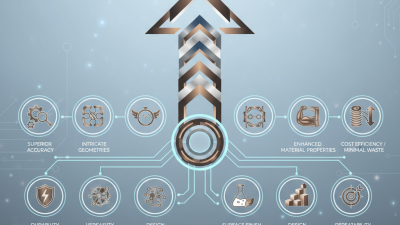
Precision Investment Casting offers remarkable advantages for buyers seeking efficient manufacturing solutions. The process, known for its intricate detail and high accuracy, allows for the production of complex geometries that meet stringent industry standards. This method minimizes material waste, making it not only cost-effective but also environmentally friendly. Buyers can achieve tight tolerances without extensive machining, resulting in shortened lead times and reduced production costs.
One notable benefit of Precision Investment Casting is the ability to work with a variety of metals. Buyers can choose materials based on their specific application needs, enhancing performance and durability. However, while the advantages are appealing, there may be challenges. Ensuring that specifications align perfectly with the produced components is crucial. Misunderstandings can lead to costly revisions. This underscores the importance of clear communication and established partnerships between buyers and manufacturers.
Moreover, as markets evolve, buyers must remain vigilant. Trends in technology and materials can shift rapidly. Adaptability is vital in leveraging the full potential of Precision Investment Casting. By staying informed and engaged, buyers can navigate these changes effectively and maximize their investment, ensuring long-term success in a competitive landscape.
Understanding Precision Investment Casting: A Brief Overview
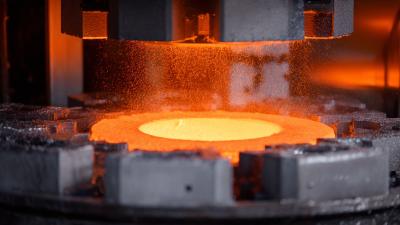
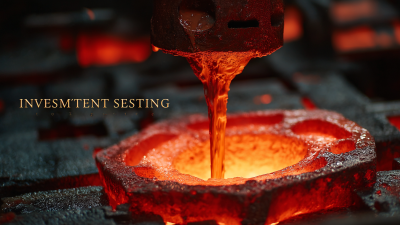
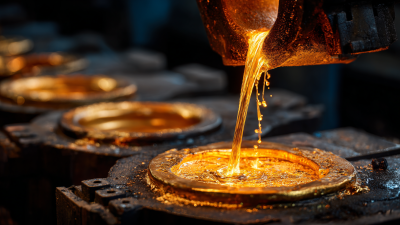
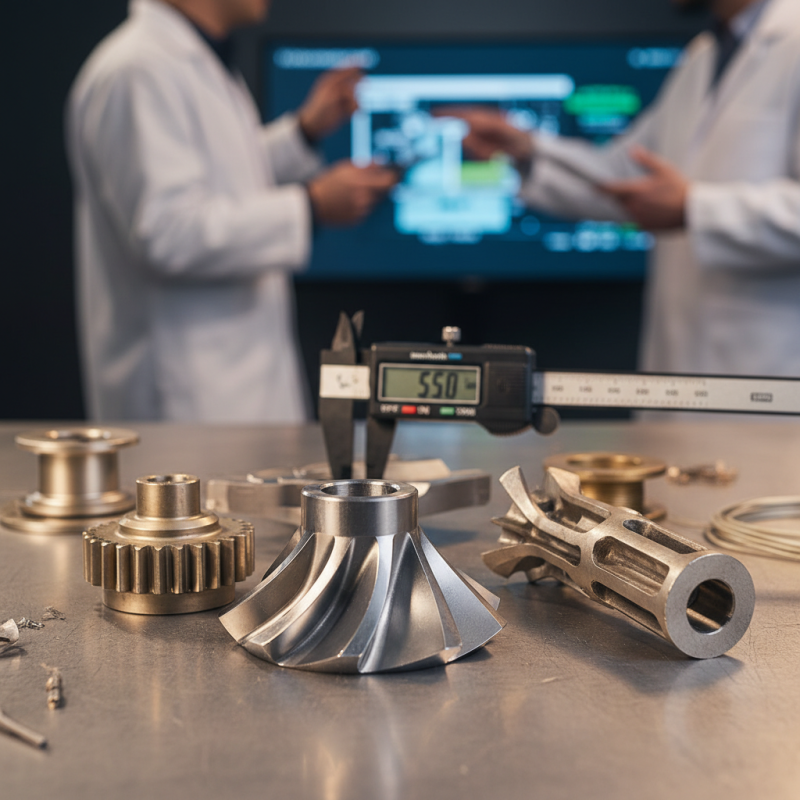
Precision investment casting is a unique manufacturing process that allows for high levels of detail and accuracy. This technique enables the production of intricate components with complex geometries. It uses a wax pattern that is coated in a ceramic shell. Once the shell hardens, heat is applied to remove the wax, leaving a mold for metal pouring.
One key advantage of precision investment casting is material efficiency. Less waste means more sustainable practices. The process allows for thinner walls in designs, which is often not possible with traditional casting methods. However, there can be challenges. The setup and tooling costs can be high, making it less suitable for lower-volume production runs.
Precision investment casting also ensures superior surface finishes. This reduces the need for extensive machining. Consistency in quality is another benefit; components are produced with minimal variability. It’s important to recognize that while precision casting offers numerous advantages, the initial investment may not appeal to every buyer. Careful consideration of production needs is essential.
Cost Efficiency: How Precision Casting Reduces Manufacturing Expenses
Precision investment casting offers significant cost efficiency for manufacturers. This process reduces waste by utilizing near-net shape technology, allowing companies to save on raw materials. According to industry reports, precision casting can minimize material waste by up to 80%. This waste reduction directly translates to lower production costs, benefiting buyers significantly.
Moreover, precision casting improves machining time. Parts often require less finishing work because they are produced closer to the final specifications. Research indicates that companies can achieve a 30% reduction in overall manufacturing expenses when using precision casting. This allows for quicker project turnaround without compromising quality. The efficiency gained through this method fosters a more sustainable manufacturing environment.
However, the initial setup cost for precision investment casting can be higher than traditional methods. Buyers may need to weigh these upfront costs against long-term savings. The decision to adopt this technology requires careful consideration of production volumes and specific application needs. Understanding these factors is essential for making informed investment choices.
Enhanced Design Flexibility: Customization Opportunities in Casting
Precision investment casting offers remarkable design flexibility. This method allows for intricate geometric shapes, often unattainable via traditional casting techniques. According to the American Foundry Society, precision investment casting can achieve tolerances as tight as ±0.005 inches. This level of accuracy is essential for industries like aerospace and medical engineering, where precision is paramount.
Buyers can fully customize their parts based on specific requirements. They can choose materials and specifications that align with their project needs. For instance, lightweight alloys can be used to reduce overall weight without sacrificing strength. The 2021 Market Research Report estimated that the demand for precision investment casting is projected to grow by 6.2% annually, reflecting its rising popularity and versatility in various sectors.
However, customization can come with challenges. The design phase often requires detailed simulations, which may prolong the development timeline. Additionally, craftsmanship variations can occasionally lead to inconsistencies. This complexity requires buyers to engage closely with experienced engineers during the design process. The potential for perfect outcomes in precision investment casting must be managed with consideration for these limitations.
Improved Material Properties: Benefits of Precision Cast Components
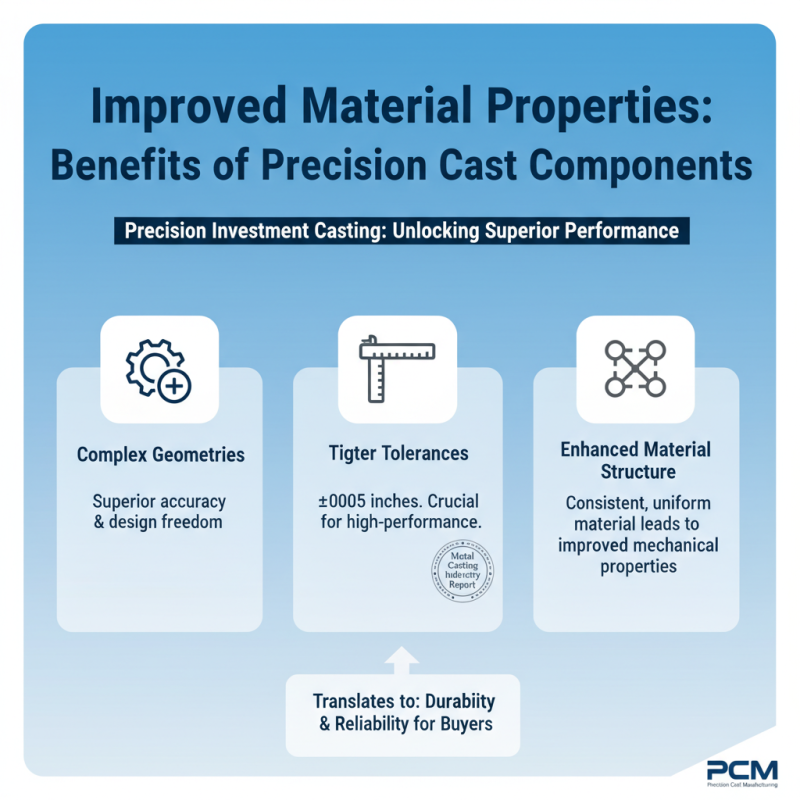
Precision investment casting significantly enhances material properties, making it an attractive option for buyers. This process allows for the creation of complex geometries with superior accuracy. According to the Metal Casting Industry report, components produced through precision casting boast a tighter tolerance of ±0.005 inches, which is crucial for high-performance applications. The consistency of the material structure directly translates to improved mechanical properties.
Materials cast with precision methods exhibit improved strength-to-weight ratios. In aerospace applications, this can lead to a 20% reduction in weight while maintaining structural integrity. Furthermore, fatigue resistance is often enhanced, making these parts ideal for high-stress environments. Data from ASTM International highlights that precision cast parts can achieve surface finishes between 125 to 250 microinches, which can reduce the need for secondary machining processes.
However, there are challenges. The initial setup costs and the need for specialized knowledge can be barriers for some buyers. Understanding the properties of the alloys used and the potential for microstructural variations requires expertise. Continuous quality control and testing are vital to ensure that the desired properties are consistently met. This adds an element of complexity to the investment casting process that warrants careful consideration.
Quality Assurance: The Role of Precision Casting in Product Reliability
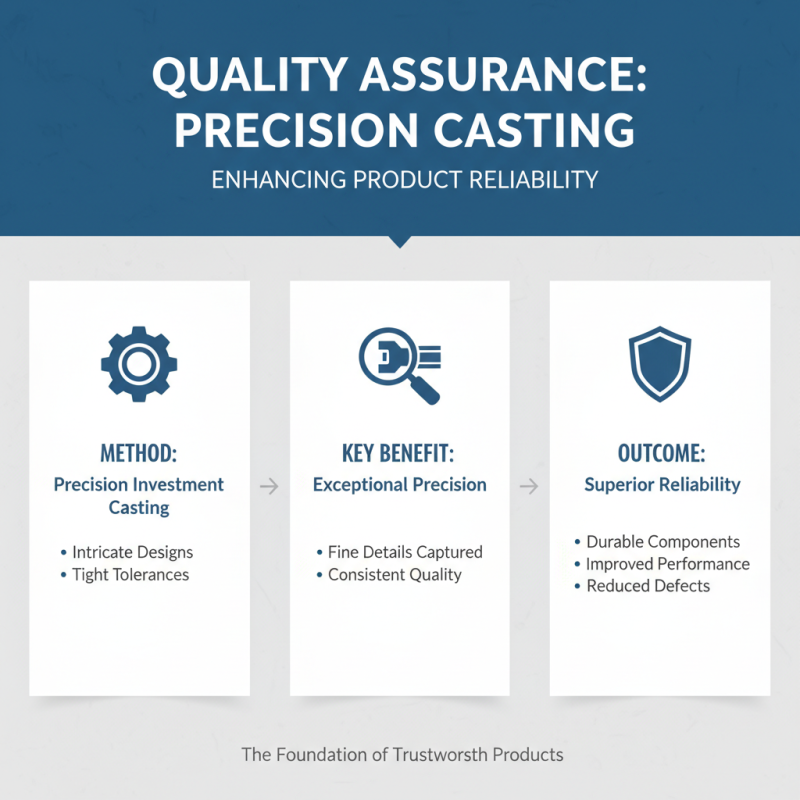
Precision investment casting is a method known for its exceptional quality assurance. This technique allows manufacturers to create intricate designs with tight tolerances. Because of this precision, parts produced are often more reliable than those made using traditional methods. The fine details captured in every cast contribute significantly to the overall performance of the final product.
However, it is essential to acknowledge that not every casting process guarantees uniform quality. Variability can arise from different factors, such as material selection and environmental conditions. Rigid quality control measures must be in place during production. This helps ensure that each piece meets the necessary specifications, providing reliability in various applications.
The outcome is a blend of quality and performance. Buyers benefit from the longevity of the products crafted through precision casting. Yet, they must remain vigilant and scrutinize their suppliers. A good understanding of the material processes reduces the risk of potential failure. Investing in reliable casting requires trust but is ultimately rewarding when done right.