Why Choose EGR SS Precision Casting for Global Sourcing?
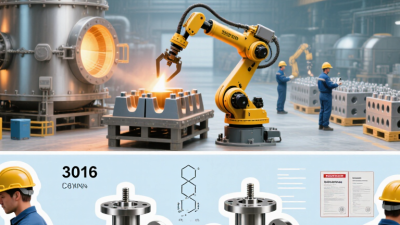
Global sourcing now demands more than a competitive quotation. Buyers need stable metallurgy, repeatable dimensions, and evidence that each batch was controlled. Egr Ss Precision Casting addresses these requirements through stainless steel investment casting, where complex shapes can emerge with fewer machining steps. That matters when components include thin walls, internal passages, sharp ribs, or compact valve bodies. The International Data Corporation’s supply chain research continues to emphasize resilience, visibility, and supplier collaboration as procurement priorities. Precision casting supports these priorities when production records, inspection results, and material certificates remain accessible.
Industry reports also show why supplier qualification deserves practical attention. Deloitte’s Global Chief Procurement Officer Survey repeatedly identifies cost pressure, supply disruption, and risk management as major procurement concerns. Meanwhile, Grand View Research describes investment casting as a growing process across aerospace, automotive, medical, and industrial applications. These findings support a careful sourcing model, not a rushed supplier decision. A capable foundry should explain alloy selection, wax tooling, shell preparation, heat treatment, dimensional inspection, and corrective actions. Ask for traceability. Request samples.
No casting route is flawless. Surface variation can occur. Tooling may require revision. The strongest suppliers acknowledge these limits and show how they manage them. ISO 9001-based quality systems, calibrated measuring equipment, and documented nonconformance reviews add confidence, but certificates alone prove little. Buyers should compare actual first-article reports, lead-time records, and communication quality. Choosing Egr Ss Precision Casting can therefore become a measured sourcing decision, provided technical evidence supports every promise. The details matter more than polished claims.
What Is EGR SS Precision Casting?
Why Choose EGR SS Precision Casting for Global Sourcing?
What Is EGR SS Precision Casting?
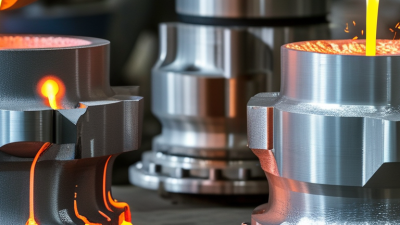
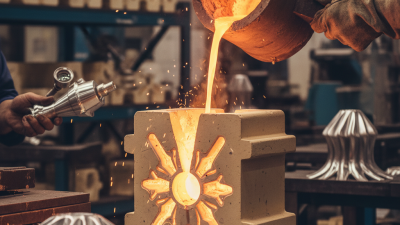
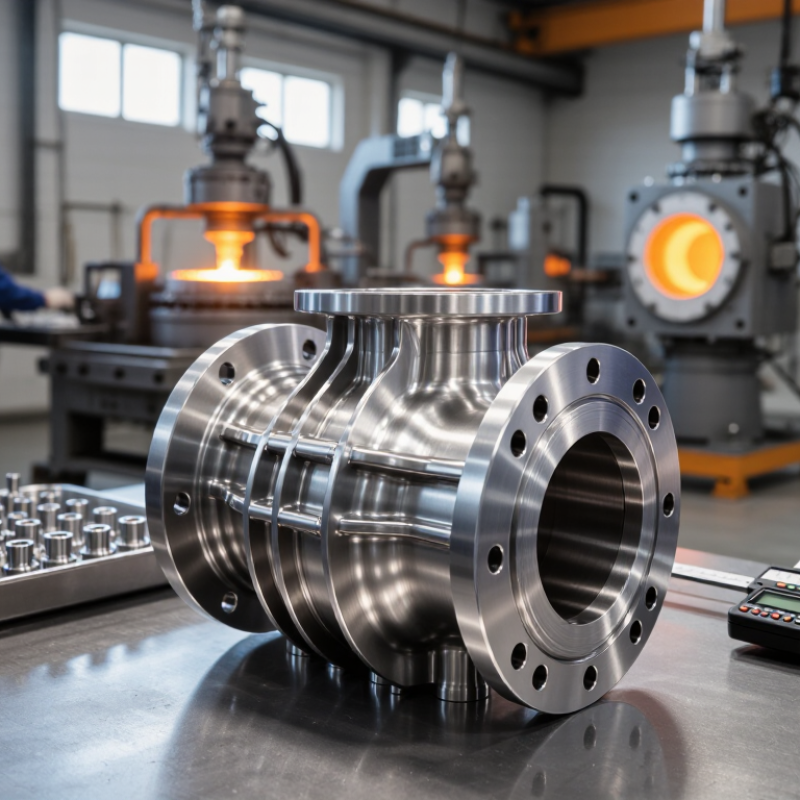
EGR SS precision casting is a controlled process for producing stainless steel components used in exhaust gas recirculation systems. EGR means exhaust gas recirculation, while SS means stainless steel. The process usually begins with a wax pattern. Ceramic layers then form a hard shell around it. After dewaxing, molten stainless steel fills the cavity. The cooled part is removed, inspected, and finished.
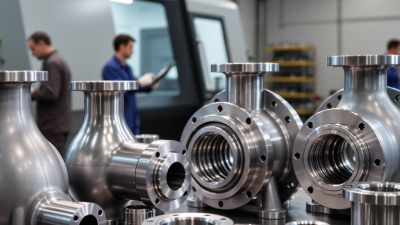
This method can create thin walls, curved passages, and complex valve bodies with limited machining. Common alloys include 304 and 316 stainless steel, selected according to heat, corrosion, and pressure requirements. World Stainless reported 58.4 million tonnes of global stainless steel production in 2023. That volume reflects sustained demand for durable materials across transportation and industrial equipment. ASTM investment-casting standards also emphasize dimensional control, surface quality, and traceable inspection.
The details matter. A small ceramic crack can cause a visible casting defect. Shrinkage may appear near thick sections. It is not flawless. Experienced foundries therefore check wax dimensions, shell strength, pouring temperature, and chemical composition. Coordinate measuring machines can verify critical passages, while radiographic testing may reveal internal porosity. Supplier records should include heat numbers, inspection results, and material certificates. These documents support practical global sourcing, although paperwork alone cannot replace process audits. A sample part still deserves close examination.
How the EGR SS Precision Casting Process Works
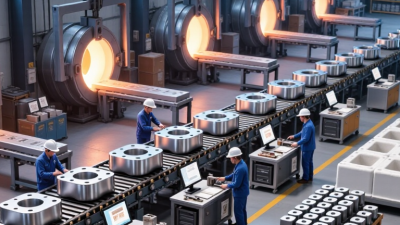
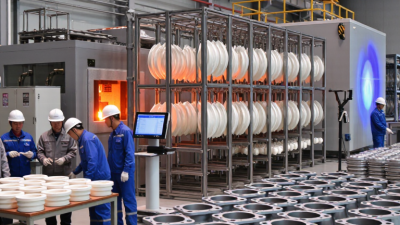
Stainless steel precision casting begins with a detailed wax pattern. The pattern defines the final component’s shape, channels, and critical dimensions. Technicians attach several patterns to a wax runner system. They then build a ceramic shell around the assembly through repeated dipping, stuccoing, and drying. Each layer needs controlled time and humidity. Small variations can create weak spots.
The ceramic shell enters a dewaxing cycle before high-temperature firing. This removes the wax and strengthens the mold. Molten stainless steel is poured into the heated shell under carefully monitored conditions. Temperature matters. Too low, and the metal may freeze early. Too high, and surface defects or grain changes may appear. After cooling, workers break away the shell, cut the gates, and finish each casting.
Inspection combines visual checks, dimensional measurement, and, when required, non-destructive testing. Surface roughness, hardness, chemical composition, and internal soundness should match the approved specification. Traceable heat numbers and inspection records support dependable global sourcing. However, precision casting is not flawless. Thin sections can distort, and complex cavities may need minor machining. Experienced teams review these findings instead of hiding them. That habit improves future tooling and process control. Good results come from repeatable methods, honest inspection, and clear communication across production stages.
Which Stainless Steel Materials and Specifications Are Available?
Choosing a precision casting partner begins with material discipline, not marketing language. Stainless steel selection should match corrosion, temperature, strength, and cleaning requirements. The World Stainless Association reported approximately 58.4 million tonnes of crude stainless steel production in 2023. That scale shows the material’s importance, but not every grade fits every casting.
Common options include ASTM A351 CF8, comparable to cast 304 stainless steel, and CF8M, commonly associated with cast 316. Low-carbon choices include CF3 and CF3M, often selected for welded assemblies and improved resistance to sensitization. Duplex grades can provide higher strength and chloride resistance. Nickel-based and heat-resistant stainless grades may suit demanding chemical or thermal service. Available specifications should also reference chemistry, tensile strength, heat treatment, surface condition, and inspection requirements. ASTM A351 and EN 10283 provide useful frameworks for pressure-containing castings.
Details matter on the shop floor. A thin valve body, deep internal passage, or uneven wall can change filling behavior. ISO 8062-3 defines casting dimensional tolerance grades, helping buyers discuss tolerances with less ambiguity. Still, a drawing alone is not enough. Our review process should examine gating, shrinkage risk, machining allowance, and radiographic needs before production. Mistakes happen. A polished specification can still hide an unrealistic tolerance or unsuitable grade. Independent material certificates, heat numbers, chemical analysis, and mechanical test records improve traceability. Testing should follow the agreed standard, not assumptions.
Why Choose EGR SS Precision Casting for Global Sourcing? - Which Stainless Steel Materials and Specifications Are Available?
| Material Family |
Common Cast Designation |
Wrought Stainless Analogue |
Typical Characteristics |
Typical Applications |
| Austenitic stainless steel |
CF8 |
304 |
General corrosion resistance, good weldability, and good toughness. |
Pumps, valves, food-processing equipment, fittings, and general industrial components. |
| Low-carbon austenitic stainless steel |
CF3 |
304L |
Reduced carbon content helps minimize sensitization during welding. |
Welded valve bodies, chemical-processing equipment, manifolds, and sanitary components. |
| Molybdenum-bearing austenitic stainless steel |
CF8M |
316 |
Improved resistance to chlorides and many industrial chemicals compared with 304-type grades. |
Marine hardware, chemical pumps, valve parts, heat-exchanger components, and process equipment. |
| Low-carbon molybdenum-bearing austenitic stainless steel |
CF3M |
316L |
Good corrosion resistance and improved weldability for fabricated or welded assemblies. |
Pharmaceutical, food, marine, chemical, and water-treatment equipment. |
| Titanium-stabilized austenitic stainless steel |
CF8T |
321 |
Stabilized against chromium-carbide precipitation; suitable for elevated-temperature service. |
Exhaust components, high-temperature piping, furnace parts, and thermal-processing equipment. |
| Niobium-stabilized austenitic stainless steel |
CF8C |
347 |
Good resistance to intergranular corrosion after exposure to elevated temperatures. |
High-temperature valve parts, chemical equipment, exhaust systems, and pressure components. |
| Martensitic stainless steel |
CA15 |
410 |
Heat-treatable, higher strength and hardness, with moderate corrosion resistance. |
Pump impellers, valve trim, wear-resistant parts, shafts, and mechanical components. |
| Precipitation-hardening martensitic stainless steel |
CB7Cu-1 |
17-4 PH |
High strength after solution treatment and aging, with useful corrosion resistance. |
Aerospace, energy, pump, valve, marine, and high-strength mechanical components. |
Common Specifications and Quality Requirements
| Specification Area |
Available Options |
Sourcing Value |
| Casting process |
Investment casting, also called lost-wax precision casting |
Suitable for complex geometries, thin sections, internal passages, and reduced machining requirements. |
| Material standards |
ASTM A351, ASTM A743, ASTM A744, EN 10295, and customer-specific specifications |
Supports material selection for pressure-containing, corrosion-resistant, and general industrial castings. |
| Dimensional control |
ISO 8062-3 dimensional casting tolerances, commonly specified by DCTG class |
Provides an internationally recognized basis for defining as-cast dimensional accuracy. |
| Heat treatment |
Solution annealing, quenching, tempering, or precipitation aging according to alloy and specification |
Controls mechanical properties, corrosion performance, and microstructure. |
| Surface finish |
As-cast, shot blasted, tumbled, ground, machined, polished, or passivated |
Allows the surface condition to match functional, cosmetic, hygienic, and corrosion-resistance requirements. |
| Non-destructive testing |
Visual inspection, liquid penetrant testing, radiographic testing, ultrasonic testing, and magnetic-particle testing where applicable |
Helps identify surface-breaking and internal discontinuities based on part criticality. |
| Mechanical testing |
Tensile testing, yield-strength testing, elongation, hardness, and impact testing when required |
Verifies that the delivered casting meets the specified mechanical-property requirements. |
| Documentation |
Material certificates, heat-treatment records, dimensional reports, inspection reports, and traceability records |
Improves supplier qualification, batch traceability, and compliance for international sourcing programs. |
Material designations, heat treatments, tolerances, testing methods, and acceptance criteria should be confirmed against the applicable ASTM, EN, ISO, or customer specification for each component.
What Quality Standards Govern EGR SS Precision Castings?
Why Choose EGR SS Precision Casting for Global Sourcing?
What Quality Standards Govern EGR SS Precision Castings?
Quality begins with the service environment, not the supplier’s brochure. Stainless steel precision castings may follow ASTM, ISO, or EN requirements, depending on use. ASTM material standards help control chemistry, tensile strength, heat treatment, and corrosion performance. ISO 8062 supports dimensional control for cast components. Tight tolerances still require practical review.
Traceability matters. Each heat should connect to material certificates, furnace records, and inspection results. A reliable quality system, often aligned with ISO 9001, controls document changes and corrective actions. For pressure-related parts, EN 10204 3.1 certification can provide verified material data. Test records matter. They should match the actual casting, not a generic batch.
Inspection may include visual checks, dimensional measurement, penetrant testing, radiography, or metallographic review. The selected method should reflect risk, geometry, and customer specifications. A perfect-looking surface can still hide shrinkage or inclusions. That is why sampling plans need technical justification. Global sourcing also requires clear drawings, agreed acceptance limits, and consistent units. Small misunderstandings can create large delays. No system is flawless. Suppliers and buyers should review rejected parts, question repeated deviations, and improve controls before production expands.
Why EGR SS Precision Casting Supports Global Sourcing
Global sourcing requires more than a competitive quotation. Stainless steel precision casting supports reliable purchasing through controlled patterns, repeatable molds, and documented inspection. These steps help produce complex parts with clean surfaces and stable dimensions. They also reduce machining waste, which matters when orders travel across borders.
Experienced sourcing teams check material grades, heat treatment records, dimensional reports, and traceability documents before shipment. Clear drawings are essential. So are agreed sampling standards and realistic lead times. In practice, even a strong process can miss a small tolerance or finish requirement. That is why sample approval and independent inspection remain valuable. Communication across time zones is not always smooth. A shared checklist can prevent expensive assumptions.
Tips: Request a complete technical package before production. Confirm stainless steel specifications, critical dimensions, packaging details, and inspection methods. Ask for production photos when practical. Keep revision numbers visible on every drawing. A trial order may reveal issues that a large order hides. Choose suppliers that explain limitations honestly, rather than promising perfect results. Reliable global sourcing grows from evidence, steady communication, and careful review—not attractive claims alone.