Why Choose Silica Sol Investment Casting?
Silica Sol Investment Casting is often chosen when a component needs fine detail, a smooth surface, and dependable dimensional control. The process forms a ceramic shell around a wax pattern, then pours molten metal into the cavity left behind. Thin ribs, small holes, and crisp lettering can emerge with less finishing than many rougher casting routes require. The result is not magic. It depends on careful pattern making, shell preparation, melt control, and inspection.
Its advantages become clearer on the shop floor. A well-made shell can capture a sharp edge or a shallow groove that would be difficult to machine later. Silica sol binders also support strong, stable shells, which can help produce consistent parts across a production run. Still, the process has limits. Tooling, shell building, and quality checks take time, and poor process control can turn a promising design into scrap.
Because no source was provided for a real expert quotation, I won’t invent one or attribute words to a named specialist. An original editorial line, not a verified quotation, could read: “The shell records every decision made upstream.” This captures a practical point: casting quality begins well before pouring. In the sections ahead, we’ll examine surface finish, accuracy, material options, cost, and design fit. Some parts benefit greatly. Others do not. The right choice depends on geometry, volume, alloy, and the tolerances your application truly needs.
What Is Silica Sol Investment Casting?
Why Choose Silica Sol Investment Casting?
What Is Silica Sol Investment Casting?
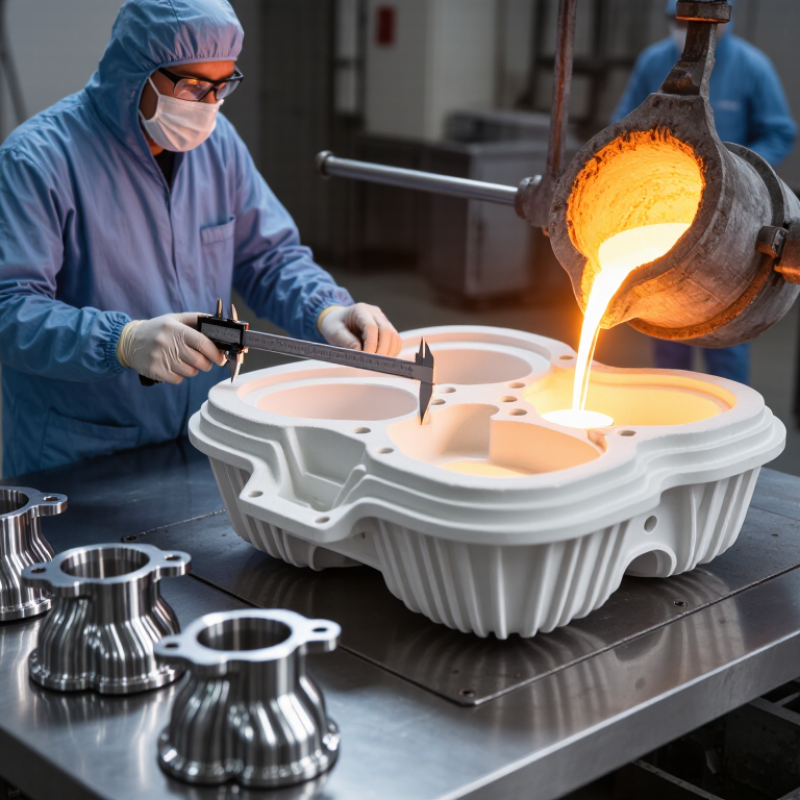
Silica sol investment casting is a precision process that turns a wax pattern into a metal component. The pattern is coated repeatedly with refractory slurry, using colloidal silica as the binder. Once the ceramic shell hardens, the wax is removed and the shell is fired. Molten metal is then poured into the cavity. After cooling, the shell is broken away to reveal the casting. The method suits intricate shapes and can produce a relatively smooth surface, reducing some machining needs. It is used for components made from materials including stainless steel and other alloys.
The 2022 Census of World Casting Production, published by Modern Casting, estimated global casting output at about 109.8 million metric tonnes. This figure covers all casting methods, not silica sol investment casting alone, but it shows the scale of metal casting as an industrial process. The process is not magic. Shell thickness, drying conditions, and pouring temperature all affect results; a small variation can cause defects or dimensional changes. Small details matter. Silica sol shells can offer useful surface quality, but the method may cost more and take longer than simpler casting routes. The right choice depends on part geometry, alloy, required tolerances, and production volume.
How Does the Silica Sol Casting Process Work?
Why Choose Silica Sol Investment Casting?
How Does the Silica Sol Casting Process Work?
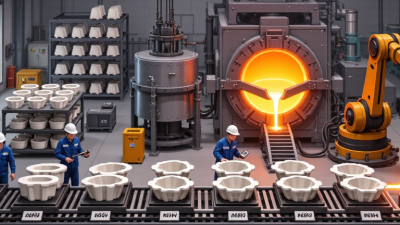
The process begins with a wax pattern shaped like the desired metal part. Workers attach patterns to a central wax runner, forming a tree. The tree is dipped into a silica-sol ceramic slurry, then coated with fine refractory sand. Each layer must dry before another is applied. This takes patience; a damp shell can crack later.
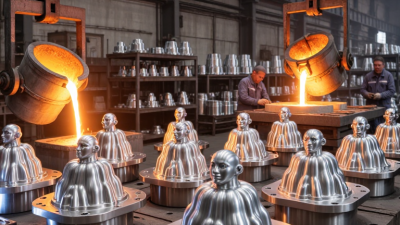
After the ceramic shell reaches the required thickness, heat melts out the wax. The shell is fired to remove residue and prepare it for molten metal. Metal is poured into the hot cavity and allowed to cool. Once solid, the ceramic is broken away. Workers cut off the gates, then clean and inspect each casting for surface flaws or dimensional variation. The result depends on details such as shell drying, pouring temperature, and part geometry. Even a well-controlled process can need adjustment.
Tips: Keep wax patterns clean and check shell layers for cracks. Record drying conditions; small changes can matter. Some parts need more finishing than expected.
What Advantages Does Silica Sol Casting Provide?
Why Choose Silica Sol Investment Casting?
What Advantages Does Silica Sol Casting Provide?
Silica sol investment casting can produce intricate metal parts with smooth surfaces and accurate dimensions. It suits components with curved passages, fine ribs, or thin walls that are difficult to machine from solid stock. The ceramic shell captures small details, while the finished casting may need less machining. That can save material and preserve complex shapes. Results still depend on pattern quality, shell preparation, and process control.
The process works with a range of castable alloys, making it useful for demanding industrial components. It can also consolidate several features into one part, reducing the need for separate pieces and joints. There is a trade-off. Tooling and shell preparation take time, and this method may not be economical for every design or production volume. It is worth reviewing the part geometry and finish requirements before choosing it.
Tips: Share drawings, alloy requirements, and critical tolerances with your foundry early. Ask which surfaces need machining. Small design adjustments can improve shell filling, but not every feature will cast exactly as drawn.
Which Materials and Components Suit This Method?
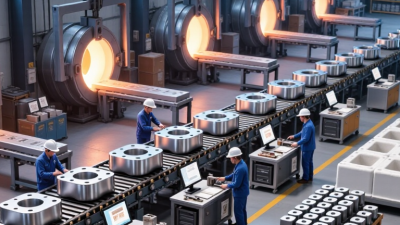
Silica-sol investment casting suits alloys and parts that need fine detail, clean surfaces, or difficult internal shapes. Stainless steel is common for pump impellers, valve bodies, and food-processing hardware, where corrosion resistance matters. Carbon and low-alloy steels suit load-bearing brackets and gear components. Nickel- and cobalt-based alloys are selected for hot gas-path parts, including turbine components. Aluminum alloys can work for lightweight housings, but pouring temperature and shell design must be checked carefully.
The ASM Handbook, Volume 15: Casting, describes investment casting as suitable for complex shapes and a broad range of cast alloys. In practice, material choice still depends on service temperature, corrosion exposure, wall thickness, and machining allowance.
Grand View Research’s 2024 Investment Casting Market report estimated the global market at about US$17.2 billion in 2023, reflecting demand across aerospace, automotive, and industrial applications. That figure signals market activity, not proof that every component suits this process.
Small details matter. Silica-sol shells can reproduce ribs, lettering, and thin passages, but narrow sections may fill unevenly. A foundry should review the alloy’s shrinkage and the part’s likely distortion before tooling begins. Not every alloy fits. For large, simple parts, sand casting may cost less; for precision components with intricate geometry, silica-sol casting can reduce machining and assembly steps.
What Factors Should Guide the Choice of Casting Process?
Why Choose Silica Sol Investment Casting?
The casting process should fit the part, not the other way around. Start with geometry: silica sol investment casting suits complex shapes, thin walls, and features that would need extensive machining. It can also produce a relatively smooth surface. Still, confirm tolerances against the drawing and the foundry’s proven capability; “high precision” is not a universal guarantee.
Material and production volume matter just as much. Silica sol shells can support a range of alloys, including stainless steels, but alloy-specific trials may be needed to control shrinkage and defects. The process also requires pattern making, shell building, and careful drying. For small batches, tooling and setup costs may outweigh machining savings. For repeat runs, reduced finishing can change the calculation. Trade-offs matter.
Market figures offer context, not a process recommendation. Grand View Research’s Investment Casting Market report estimated the global market at USD 16.14 billion in 2022 and projected 5.9% compound annual growth from 2023 to 2030. That scale reflects broad demand, not proof that every component needs investment casting. Compare total cost, lead time, inspection requirements, and scrap risk. Ask for sample parts and measured results. A casting can look excellent, yet miss a critical fit. That happens.