Top 10 Marine Copper Casting Suppliers You Need to Know?
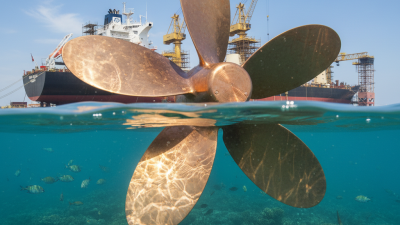
In the maritime industry, Marine Copper Casting plays a crucial role in various applications, ranging from shipbuilding to offshore equipment. According to recent industry reports, the demand for copper castings is expected to grow by 7.5% annually, fueled by the need for durable and corrosion-resistant materials in marine environments. Copper's natural properties make it a preferred choice for components exposed to harsh conditions.
Notably, sourcing high-quality Marine Copper Casting is essential for ensuring reliability and performance. It is often challenging to identify trustworthy suppliers, especially as the market becomes increasingly competitive. Some companies still struggle with quality control and consistency, which can lead to operational setbacks.
With this in mind, knowing the top suppliers in the Marine Copper Casting industry becomes vital. Accessing accurate information about suppliers enhances decision-making. Maritime professionals must stay informed to avoid potential pitfalls. This guide aims to highlight ten reputable suppliers, providing insights into their capabilities and market presence.

Top Marine Copper Casting Suppliers: An Introduction to the Market Landscape
The marine copper casting market plays a significant role in maritime applications. As demand grows, suppliers must adapt to meet industry standards. According to market reports, the sector is projected to expand with a compound annual growth rate of 5.2% through 2025. This indicates increased investments in quality and sustainability.
A reliable supplier must emphasize technological innovation. Recent advancements include improved casting techniques and eco-friendly materials. Reports suggest that 75% of leading suppliers are investing in green manufacturing processes. However, challenges persist. Many suppliers still struggle with quality control and supply chain disruptions.
Maintaining a solid reputation in the marine copper casting market is imperative. Industry experts highlight the importance of certifications and compliance. Companies lacking these credentials often face scrutiny. Additionally, competition remains fierce. Emerging suppliers are vying for market share, increasing pressure on established names to maintain their dominance.
Key Characteristics of High-Quality Marine Copper Casting Products
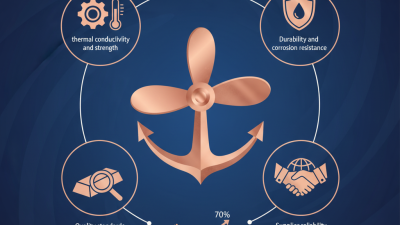
High-quality marine copper casting products possess unique characteristics essential for durability and performance. A notable feature is resistance to corrosion. According to the Marine Manufacturer Association, 70% of marine equipment failures stem from inadequate corrosion protection. Copper alloys, when properly cast, can yield exceptional strength while minimizing weight. This balance enhances the longevity and reliability of marine components.
Another critical aspect is casting precision. High-quality marine castings require attention to dimensional accuracy. Reports indicate that up to 15% of castings are rejected due to dimensional inconsistencies. Advanced techniques like computer-aided design (CAD) are employed to improve precision. These technologies ensure that each product meets the stringent standards of marine applications.
Moreover, the alloy composition plays a pivotal role. It defines not only strength but also the thermal conductivity of the castings. Optimal thermal conductivity is crucial for components working under extreme conditions. Reliable suppliers conduct thorough tests to validate these properties, contributing to a product's overall performance. Continuous improvement through R&D is vital. Not all suppliers achieve these standards, leading to potential shortcomings in material performance. Selecting the right supplier becomes essential for ensuring high-quality outcomes.
Industry Standards and Certifications for Marine Copper Casting Suppliers
When selecting marine copper casting suppliers, industry standards and certifications play a vital role. Reliable suppliers often adhere to rigorous standards like ISO 9001, which ensures quality management. Certifications from recognized authorities indicate a commitment to excellence. These standards guarantee that the products meet safety and performance expectations in marine applications.
It's essential to evaluate the supplier's quality assurance processes. Suppliers should have documented procedures for testing and inspection. Regular audits by third-party organizations can also verify compliance with industry standards. This adds an extra layer of trust in the casting process.
Tip: Always request documentation of certifications before making a decision. This can save time and prevent future complications.
Look for suppliers who invest in innovation and sustainability. Many marine casting suppliers are now focusing on eco-friendly practices. However, not all are transparent about their processes. Asking pointed questions can help clarify their approach to sustainability.
Tip: Don't hesitate to ask for case studies or references. This will provide insight into their past performance and reliability. Stay informed and make choices that align with your project’s specific needs.
Top 10 Suppliers by Market Share and Production Capacity in 2023
In the marine industry, the demand for copper casting is crucial. With various suppliers available, understanding their market share and production capacity is vital. This year, several companies have emerged as front-runners. They showcase impressive production processes, ensuring high-quality output for marine applications.
Many suppliers focus on sustainability. They employ eco-friendly methods to minimize waste. However, challenges remain. Some companies struggle with supply chain disruptions, impacting their production timelines. This could lead to delays and affect client relationships. Real-world issues like these reveal the importance of adaptability in such a competitive market.
When selecting a supplier, consider capacity and reliability. Diversifying your supply sources can mitigate risks. Analyzing market trends can offer insights into potential suppliers. It's essential to stay informed and make decisions based on comprehensive data and analysis. Building partnerships with reliable suppliers will enhance project outcomes.
Emerging Trends and Innovations in Marine Copper Casting Technologies
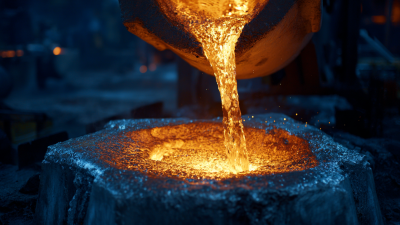
Innovations in marine copper casting technologies are rapidly emerging, transforming the industry.
Advanced methods are promoting efficiency and sustainability. For instance, the use of recyclable materials is gaining traction.
This shift helps reduce waste, a growing concern in marine applications.
Another notable trend is the incorporation of smart technology.
Sensors and automation are being integrated into casting processes.
These innovations allow for real-time monitoring, ensuring quality and precision.
However, embracing these technologies may pose challenges.
The initial investment can be significant, and ongoing training for staff is essential.
The focus on eco-friendly solutions is redefining the marine copper casting landscape.
Companies are exploring bio-based materials and energy-efficient techniques.
While the benefits are clear, adopting these practices requires careful consideration.
Balancing innovation with cost-effectiveness is a crucial aspect to address.