Why Choose Precision Investment Casting for Your Next Project?
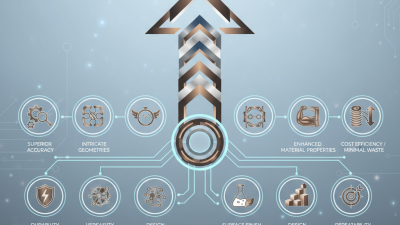
When considering manufacturing methods, "Precision Investment Casting" stands out for its unique advantages. Experts in the field, such as Dr. Emily Chen, emphasize its value: "Precision Investment Casting enables the creation of complex geometries with unmatched tolerances." This technique allows for intricate designs that traditional methods struggle to achieve.
In today’s competitive market, the need for precision is critical. Manufacturers seek methods that reduce waste and enhance efficiency. Precision Investment Casting offers both. This method is not just about producing parts; it’s about delivering quality consistently. The process minimizes material use, which can cut costs significantly.
However, it is essential to approach each project with careful consideration. Not every application may benefit from this casting method. Reflecting on project needs is crucial. Despite its advantages, there are limitations. Understanding these can lead to more informed decisions and ultimately drive project success.
Benefits of Precision Investment Casting in Manufacturing Applications
Precision investment casting has gained significant traction in manufacturing applications. This method produces parts with exceptional accuracy and surface finish. According to a report by Allied Market Research, the global investment casting market is projected to reach over $26 billion by 2027, indicating a growing preference for this technique in various industries.
One key advantage of precision investment casting is its ability to minimize waste. Traditional casting methods often result in surplus material, while precision casting optimizes the use of metal. This efficiency contributes to cost savings, especially for large-scale production. Additionally, the high dimensional accuracy reduces the need for extensive post-processing. Some studies suggest that investment casting can achieve tolerances as tight as ±0.005 inches.
Tips: Always assess the specifics of your project. Evaluate the complexity of your design and the materials required. Each project may have unique challenges that benefit from tailored precision casting solutions.
Another benefit is flexibility in design. Complex geometries that would be challenging with other methods become feasible. However, it’s essential to consider the need for thorough prototyping. The upfront investment in design iterations can lead to improved outcomes. A poorly designed mold can lead to costly delays and quality issues. In manufacturing, every detail matters. Careful planning is vital for success.
Tips: Engage with experts early. They can provide insights into design intricacies. Collaboration can enhance the final product's quality and reliability.
Applications of Precision Investment Casting Across Various Industries
Precision investment casting is a critical process used across various industries. This technique offers high accuracy and intricate designs in metal parts. For instance, the aerospace industry relies on this method to produce lightweight components that enhance fuel efficiency. According to a recent industry report, the global investment casting market is projected to reach $17.7 billion by 2026. This growth underscores the importance of precision casting in meeting the demands of modern manufacturing.
The automotive sector also benefits significantly from precision investment casting. Components such as engine blocks and gear housings are produced with impressive dimensional stability. This reduces the need for extensive machining, saving both time and resources. Moreover, precision casting allows for the integration of complex geometries that can lead to improved performance.
Tips: Always assess the material properties required for your specific application. Understanding the unique strengths of different metals can enhance product durability. Also, consider working closely with engineers who specialize in casting to achieve the best results. Industrial reports indicate that collaborative design often leads to reduced errors during production. Reflect on your project needs; sometimes, the most complex designs aren't the most effective solutions.
Cost Efficiency: Comparing Precision Investment Casting to Other Methods
Precision investment casting is increasingly favored for its cost-efficiency. Studies show that it can reduce production costs by as much as 30% compared to traditional methods. This method allows for complex geometries and intricate designs without the need for extensive machining. The reduced material waste during manufacturing aligns with sustainable practices, appealing to modern businesses.
Many industries, such as aerospace and automotive, rely on precision casting. According to a recent report by the Casting Industry, around 55% of manufacturers have transitioned to precision casting methods, highlighting its growing popularity. This shift is due to quality improvements and cost reductions. Even though initial setup costs may be higher, the long-term savings outweigh these factors.
Precision investment casting isn’t without its challenges. Some components may have longer lead times, creating potential bottlenecks. Additionally, complex designs might require specialized tooling, increasing upfront costs. Despite these concerns, the overall benefits make precision investment casting a compelling choice for many manufacturing needs. Balancing these factors is crucial for optimal decision-making in project planning.
Precision in Production: Tolerances and Surface Finishes in Investment Casting
Precision investment casting offers exceptional tolerances and surface finishes that enhance product quality. This process allows for intricate designs with minimal material waste. A better surface finish reduces the need for additional machining, saving time and cost in production.
When selecting precision casting, consider the design complexity and required finishes. Some designs may introduce challenges in achieving desired tolerances. Inspecting samples before mass production can prevent costly errors down the line. Engage closely with your foundry to discuss these aspects and ensure clarity on expectations.
Tips for achieving optimal results: Focus on geometries that suit investment casting. Simple features often yield the best outcomes. Be mindful of draft angles in your designs; they can significantly impact release from molds. Collaborate with experienced engineers to refine your design and minimize pitfalls. Continuous communication with your production partner is vital for addressing feedback and adapting design specifications as needed.
Environmental Considerations: Sustainability of Precision Investment Casting
When considering environmental sustainability, precision investment casting presents compelling benefits. This manufacturing process uses less material than traditional methods, minimizing waste. According to a study by the American Foundry Society, investment casting produces up to 90% less scrap compared to conventional techniques. This reduction in waste is crucial in an industry increasingly focused on eco-friendly practices.
Energy consumption is another critical aspect. Precision investment casting typically requires lower energy inputs due to its efficient use of materials. Reports indicate that this technique can reduce energy usage by 15-20% compared to die casting. Such reductions help lower greenhouse gas emissions associated with production. However, it's essential to recognize that not all facilities adhere to these efficient practices. Variation in energy usage reflects differing operational standards and can influence overall sustainability.
Water conservation also plays a role in investment casting's environmental impact. The process often requires less water for cooling and cleaning. Yet, some facilities still struggle with water management. Addressing these inconsistencies offers a chance to improve sustainability further. The industry's potential for innovation in eco-friendly practices hinges on commitment to environmental responsibility across all operations.