What Is Investment Casting Parts and Their Benefits?
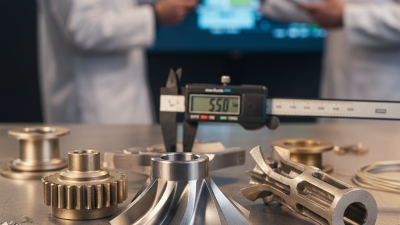
Investment casting has become a critical process in manufacturing various components across industries. According to John Smith, a leading expert in the investment casting industry, "Investment Casting Parts offer precision that other methods simply can’t match." These components are known for their intricate shapes and high dimensional accuracy, making them essential in sectors like aerospace and automotive.
Investment casting involves creating molds from patterns, typically made of wax or plastic. This ensures a high degree of detail in the final product. The benefits of using Investment Casting Parts include reduced material waste and the ability to create complex geometries. However, it's essential to note that this process may present challenges. Factors like mold design and material selection require careful consideration.
In today's fast-paced manufacturing landscape, the demand for high-quality components is paramount. Investment Casting Parts not only meet this demand but also push the boundaries of what is achievable in manufacturing. As industries evolve, their reliance on this technique is likely to grow.
What Is Investment Casting and How Does It Work?
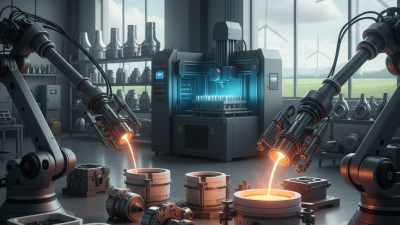
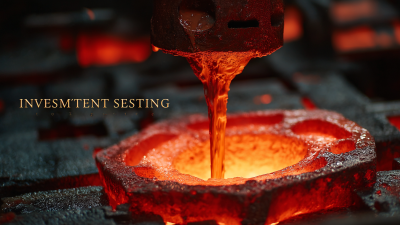
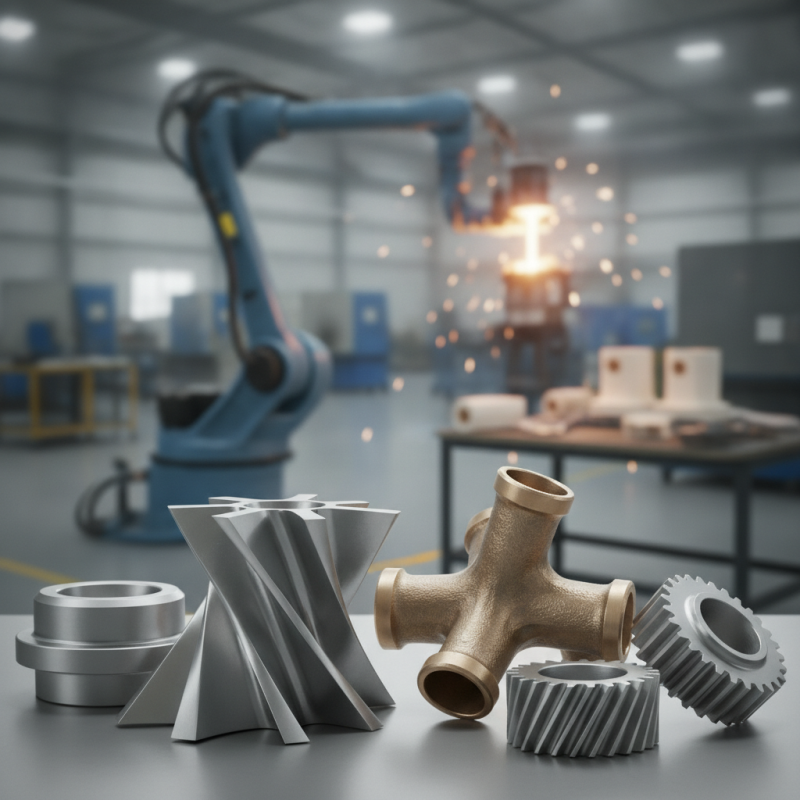
Investment casting is a precise manufacturing process that creates complex metal parts. It involves creating a wax pattern, coating it in a ceramic shell, and then melting away the wax. This method allows for intricate designs and tight tolerances. Once the wax is removed, molten metal is poured into the ceramic shell. After cooling, the shell is broken away to reveal the final part.
One benefit of investment casting is the ability to produce highly detailed components. This technique often reduces the need for further machining. It is ideal for metals with high melting points, ensuring strong and durable parts. However, designing for investment casting requires careful consideration of draft angles and wall thickness. Engineers must ensure that the patterns can be easily removed from the shell.
Tips: When starting with investment casting, communicate clearly with your foundry. Provide detailed drawings and specifications. Consider potential geometric limitations early on. Test prototypes to identify any design flaws. Knowledge of the process helps avoid costly mistakes down the line. Always seek feedback from experienced professionals in the field. Their insights can enhance your designs and production efficiency.
Investment Casting Parts and Their Benefits
Key Materials Used in Investment Casting Processes
Investment casting is a complex process that involves several key materials, each chosen for their unique properties. One of the primary materials used in this process is wax. The wax is melted and removed, leaving a precise mold for metal. This step is crucial. If the wax does not melt out uniformly, it can lead to defects in the final product.
Another critical material is the refractory coating. This coating protects the shell and helps withstand the high temperatures of molten metal. Silica and zirconia are commonly used for their heat resistance. The choice of coating material can significantly impact the casting's structural integrity. Variations in application methods can also lead to inconsistencies.
Metals used in investment casting vary widely. Common choices include aluminum, stainless steel, and bronze. Each metal has its own set of attributes. For example, aluminum is lightweight and corrosion-resistant but might not be suitable for high-stress applications. The overall performance of the investment casting parts often reflects the careful selection and handling of these materials. Understanding these factors is vital for achieving reliable outcomes.
Advantages of Investment Casting Over Traditional Methods
Investment casting offers several advantages over traditional manufacturing methods. This process allows for the creation of complex shapes with high precision. According to industry reports, investment casting can achieve tolerances as tight as ±0.005 inches. This level of accuracy reduces the need for extensive machining, saving both time and costs. For industries requiring intricate components, such as aerospace or medical devices, these benefits are crucial.
Material versatility is another strong point. Investment casting can accommodate a wide range of alloys. This enables engineers to select materials that improve performance while meeting specific requirements. A report by the Investment Casting Institute showed that nearly 80% of casting materials can be recycled. This sustainable practice appeals to industries increasingly focused on environmental responsibility.
Despite its advantages, investment casting is not without challenges. The initial setup can be costly and time-consuming. Molds require precision and expertise to create. Errors made at this stage can lead to significant waste. Reflecting on these complexities is essential for manufacturers aiming to innovate while maintaining efficiency. The balance of quality and cost remains a point of discussion in industry forums.
Applications of Investment Casting in Various Industries
Investment casting is widely used across various industries due to its versatile applications. In aerospace, for example, this technique produces components such as turbine blades and housings. According to a report by Grand View Research, the aerospace investment casting market is expected to reach $2.8 billion by 2025, reflecting a growing demand for lightweight and high-strength components. These parts are crucial for enhancing fuel efficiency and ensuring safety in flight operations.
In the automotive sector, investment casting contributes to manufacturing complex engine parts and transmission components. The lightweight nature of investment cast parts supports vehicle efficiency and performance. A recent study indicated that the global automotive investment casting market is projected to grow at a CAGR of 7.5% from 2022 to 2030. This growth signals a shift towards innovative manufacturing processes that meet stricter emission standards.
However, the process is not without challenges. The initial setup costs can be significant, and achieving precise tolerances requires skilled labor and technology. Some manufacturers report difficulties in scaling production without sacrificing quality. These factors must be carefully managed to ensure the long-term viability of investment casting in highly competitive markets. Addressing these issues is essential for harnessing the full potential of investment casting across different industries.
Statistical Insights: Efficiency and Yield in Investment Casting
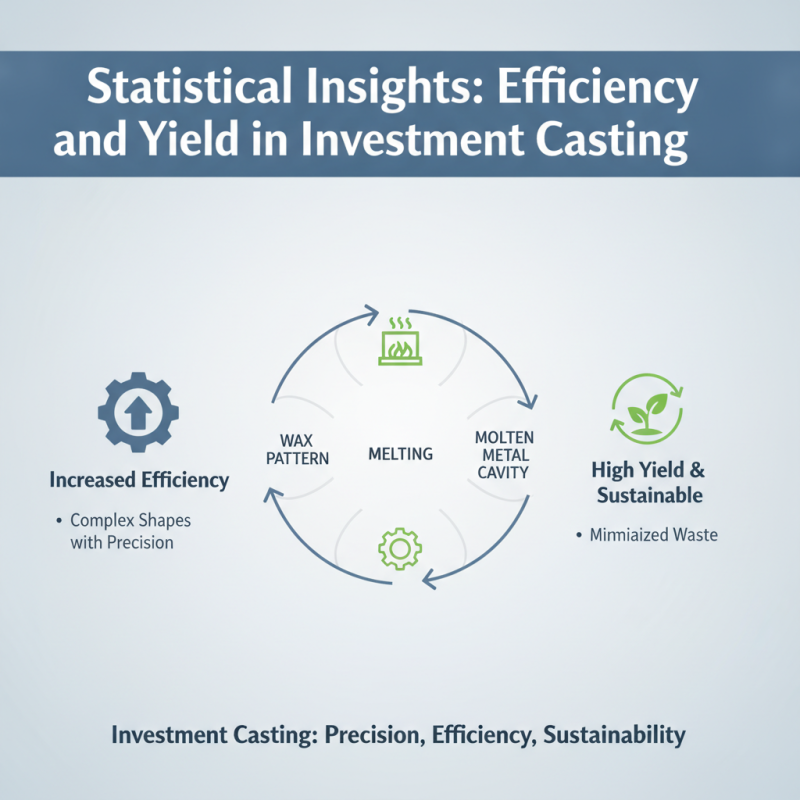
Investment casting, also known as lost-wax casting, offers significant advantages in efficiency and yield. This method allows for the production of complex shapes with precision. The mold is created from a wax pattern, which melts away, leaving a cavity for molten metal. This process minimizes waste, making it a sustainable option.
Statistical insights reveal the high yields achieved through investment casting. Manufacturers often report yield rates exceeding 90%. This is impressive when compared to traditional casting methods. However, one must consider that initial setup costs can be high. There may be learning curves involved, potentially leading to initial inefficiencies.
Emphasizing precision, investment casting reduces the need for extensive machining. Components often require little finishing work, leading to shorter lead times. While these benefits are substantial, it's essential to acknowledge possible challenges. Variations in alloy composition can affect the casting process. Understanding these nuances is critical for maximizing efficiency.