Leave Your Message
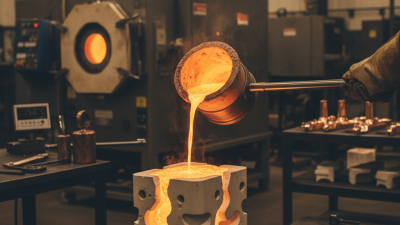
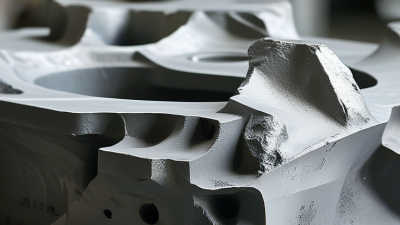
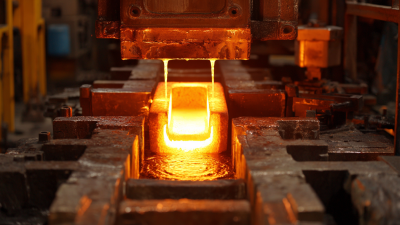
Copper Precision Casting can deliver intricate shapes, clean surfaces, and dependable dimensions—but only when buyers check more than the quoted price. A thin-walled copper component may look simple on a drawing. In production, alloy selection, mold design, melt cleanliness, and cooling control can change its strength and finish. Small details matter.
Casting researcher John Campbell’s work offers a useful principle, paraphrased here rather than presented as a verbatim quotation: sound castings depend on controlling the melt and the filling process. That idea is practical for global buyers. Ask how the foundry verifies alloy composition, manages porosity, and measures critical dimensions. Request sample inspection records, not only attractive product photos. A bright surface can hide internal defects. It happens.
This guide presents seven checks for evaluating suppliers and reducing avoidable surprises. Compare material certificates, tooling plans, tolerances, inspection methods, production capacity, packaging, and communication practices. For example, confirm whether a supplier can measure a narrow bore with suitable gauges and protect machined faces during shipment. Also agree on what counts as an acceptable casting before production begins. Specifications can be unclear, even when both sides mean well. Review them carefully. These steps cannot guarantee a flawless part, but they make quality expectations visible and easier to verify.
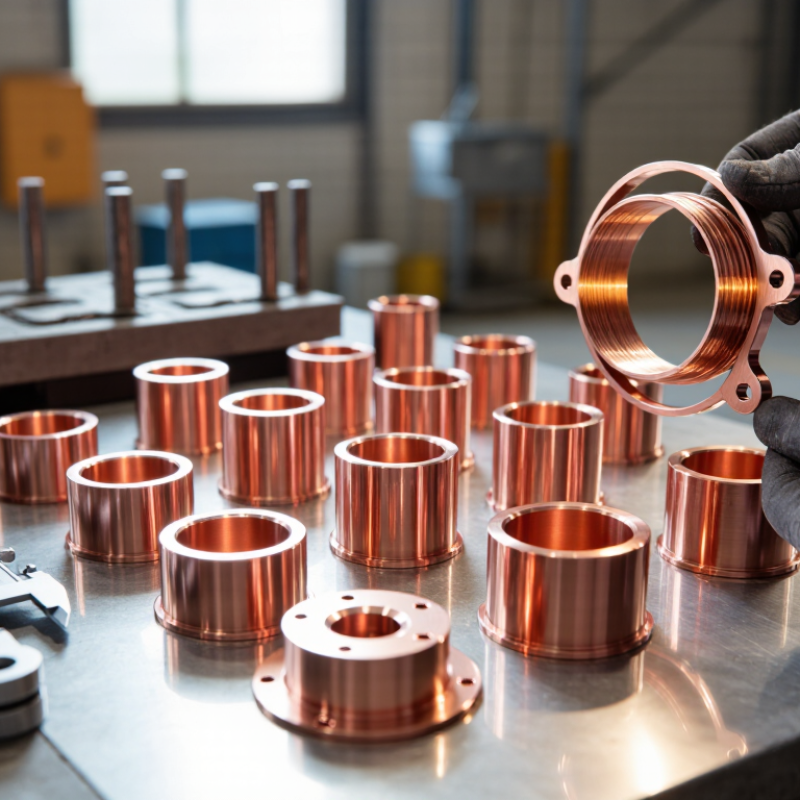
Copper precision casting forms detailed parts by pouring molten copper alloy into a shaped mold. It suits components with curved passages, thin walls, or geometry that would be costly to machine from solid stock. Common applications include pump impellers, valve bodies, electrical connectors, marine fittings, and heat-transfer components. Material choice matters: pure copper conducts electricity and heat well, while copper alloys can offer greater strength or wear resistance. Not every alloy fills a mold equally well. A small design change can affect both casting quality and machining needs.
Demand reflects copper’s broad industrial role, though market figures do not measure precision-cast parts alone. The U.S. Geological Survey’s Mineral Commodity Summaries 2024 reports that U.S. copper use was led by building construction at 42%, followed by electrical and electronic products at 23%. These sectors rely on copper’s conductivity, corrosion resistance, and durability, qualities that also inform casting applications. Buyers should ask suppliers about alloy composition, dimensional tolerances, inspection methods, and machining allowance. A shiny sample is not enough. In practice, intricate castings may still need careful finishing, and I would not assume that “near-net shape” means ready to install.
| No. | Buyer Tip | What to Specify or Check | Why It Matters | Common Applications |
|---|---|---|---|---|
| 1 | Define the copper alloy by grade, not just by color or base metal. | State the required alloy designation and applicable material standard. Confirm the grade against the required conductivity, strength, corrosion resistance, and service environment. | Copper alloys differ substantially in mechanical, electrical, and corrosion properties. “Copper casting” alone is not a complete material specification. | Electrical connectors, pump parts, marine fittings, valve bodies, and decorative components. |
| 2 | Match the casting process to the part’s geometry and requirements. | Discuss investment, sand, or another suitable casting process with the supplier. Compare expected detail, size range, production quantity, tooling needs, and finishing requirements. | Different processes offer different levels of detail, surface finish, tooling cost, and production suitability. No single process is best for every part. | Investment casting for detailed shapes; sand casting for larger or less intricate components; process choice depends on design and production needs. |
| 3 | Review the design for casting and solidification. | Share a 3D model and drawing early. Review wall-thickness transitions, radii, draft where relevant, feed paths, and features that may require cores or machining. | Thoughtful geometry can help reduce filling and shrinkage problems and avoid unnecessary tooling complexity. Final design recommendations depend on the process and alloy. | Valve and pump housings, impellers, fittings, and irregular near-net-shape parts. |
| 4 | Ask how melt quality and casting defects are controlled. | Request details of the supplier’s melting, pouring, gating, and inspection controls. Agree on acceptance criteria for surface discontinuities, porosity, and other relevant defects. | Oxidation, gas, and shrinkage-related defects can affect appearance, pressure integrity, or mechanical performance. Controls and inspection should suit the part’s intended use. | Pressure-carrying valve bodies, fluid-handling components, and structural fittings. |
| 5 | Separate as-cast requirements from machined requirements. | Identify critical dimensions, datum points, tolerances, machined surfaces, and any required machining allowance on the drawing. | Cast surfaces and dimensions are not equivalent to finished, machined features. Clear requirements help prevent misunderstandings about fit and inspection. | Threaded fittings, bearing or sealing surfaces, connector interfaces, and bolted joints. |
| 6 | Choose inspection and testing based on function. | Specify dimensional inspection and, where needed, visual examination, pressure or leak testing, chemical analysis, mechanical testing, or suitable nondestructive testing. | Inspection should verify the actual risks and requirements of the component. A test method should not be assumed unless it is included in the purchase specification. | Water and gas valves, marine components, electrical parts, and safety-related assemblies. |
| 7 | Plan for corrosion, operating conditions, and compliance. | State the fluid or atmosphere, temperature, pressure, electrical requirements, destination market, and any applicable regulatory or customer standards. | Service conditions influence alloy selection, finishing, testing, and documentation. Requirements vary by application and jurisdiction. | Marine hardware, plumbing and water systems, heat-transfer parts, electrical components, and architectural details. |
Note: Copper precision casting is a manufacturing approach for producing copper-alloy parts with controlled geometry. The suitable alloy, casting process, tolerances, and inspection plan depend on the component design and its intended service conditions.