What is Silica Sol Casting and Its Benefits for Buyers?
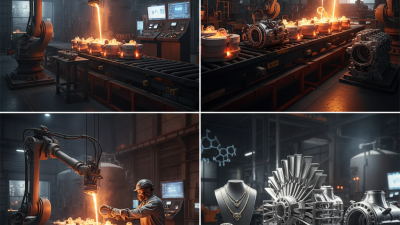
Silica Sol Casting has emerged as a cutting-edge solution in the foundry industry. According to Dr. Emily Chen, a renowned expert in metal casting technologies, “Silica Sol Casting offers unparalleled precision and surface finish.” This innovative method involves using a water glass-based silica sol as a binder for sand molds. It enables manufacturers to create complex shapes with high accuracy.
The benefits for buyers are significant. Silica Sol Casting results in excellent dimensional stability and reduced machining costs. These advantages appeal to industries such as aerospace, automotive, and medical equipment. However, it is essential to understand that not all foundries are equipped for this process. Selecting the right provider requires careful consideration and expertise.
Despite its advantages, some challenges remain. The initial investment for Silica Sol Casting can be higher than traditional methods. Buyers must weigh the long-term benefits against upfront costs. Ensuring reliable quality and understanding the technical execution are critical factors for success in this evolving market.
What is Silica Sol Casting?
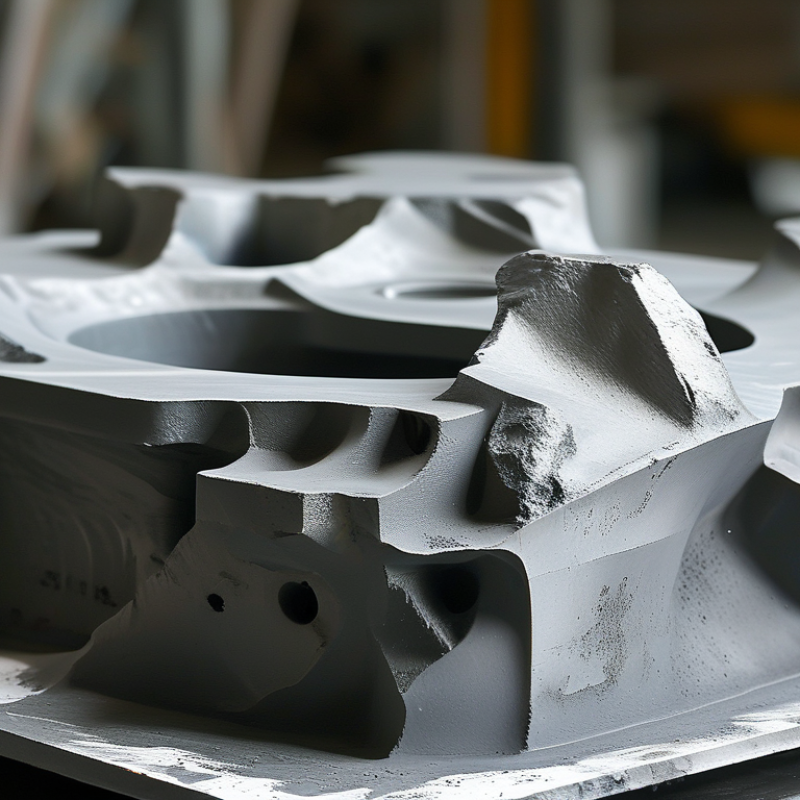
Silica sol casting is a modern method of creating precision cast parts. It uses a liquid form of silica to make molds. This innovative process offers high accuracy and a smooth surface finish. Many industries, such as aerospace and automotive, benefit from its capabilities. Parts created through this method show excellent dimensional stability. They withstand harsh conditions, making them reliable for various applications.
Tips for buyers: Ensure that you communicate your specifications clearly. Detail the dimensions and materials you need. This helps prevent misunderstandings and ensures quality. Additionally, consider the lead time for production. Sometimes, longer lead times can be challenging, especially for urgent needs.
While silica sol casting has many advantages, it is not without challenges. Some users find the initial cost higher than traditional methods. This could lead to hesitation, especially from smaller firms. Reflecting on the long-term benefits often eases this concern. The increased durability and quality can justify the upfront investment. Investing time in understanding this process can pay off with superior results.
The Process of Silica Sol Casting Explained
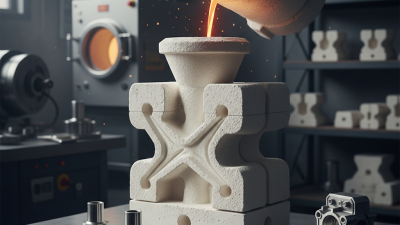
Silica sol casting is an advanced method that offers numerous advantages. The process begins with creating a silica sol, a colloidal solution of silica particles in water. This solution is mixed with a binding agent and then applied to a mold. Once the mold is coated, it is heated to harden the shell. This heat treatment causes the silica sol to bond, forming a strong shell around the pattern.
The creation of intricate designs is one of the main benefits of silica sol casting. This technique allows for the production of complex shapes with high precision. Fine details can be captured, making it ideal for custom parts, especially in industries requiring tailored solutions. However, achieving the desired precision requires expertise and careful monitoring, as even minor mistakes can affect the final product.
After the shell hardens, the core is removed, and molten metal is poured in. This stage requires skill, as the temperature and pouring speed must be controlled. Improper handling can lead to defects, underscoring the need for experienced personnel. Each step of the process is crucial, and any oversight may result in significant setbacks. Balancing accuracy with efficiency is an ongoing challenge in silica sol casting.
What is Silica Sol Casting and Its Benefits for Buyers?
| Dimension |
Details |
| Casting Method |
Silica Sol Casting |
| Material Used |
Refractory silica sol |
| Key Benefits |
High dimensional accuracy, smooth surface finish, and excellent mechanical properties |
| Applications |
Aerospace, automotive, medical devices, and industrial equipment |
| Cost Efficiency |
Reduced waste and lower production costs compared to traditional methods |
| Environmental Impact |
Lower emissions and less material waste |
| Lead Time |
Faster lead times due to efficient production processes |
Key Benefits of Silica Sol Casting for Buyers
Silica sol casting is an innovative method gaining traction among manufacturers. It uses a mixture of silica sol and other materials for creating precise metal parts. This technique offers several key benefits that can significantly enhance production quality.
One major advantage is the improved surface finish. Silica sol casting provides a smooth, high-quality finish straight out of the mold. This reduces the need for extensive post-processing. With less finishing work required, buyers can save on labor and material costs. Additionally, the tight tolerances achieved through this method lead to fewer defects and rework.
For buyers, investing in silica sol casting can streamline operations. Quality assurance becomes more straightforward due to the accuracy of the castings. This process also minimizes issues like porosity that often affect traditional sand casting methods.
Tip: When evaluating silica sol casting suppliers, ask about their quality control processes. Reliable suppliers should follow strict protocols.
Another point to consider is the environmental impact. Silica sol casting typically results in less waste compared to other methods. Buyers can align their operations with sustainability goals by choosing this technique.
Tip: Engage in discussions about the materials used in the casting process. Ensure they meet your environmental standards.
Overall, the benefits of silica sol casting make it a compelling choice for progressive manufacturers looking to optimize efficiency and quality.
Applications of Silica Sol Casting in Various Industries
Silica sol casting is gaining traction across various industries due to its unique properties. This method is particularly beneficial in the aerospace and automotive sectors. A report from a leading market research firm states that silica sol casting can produce complex shapes with excellent surface finishes, leading to reduced need for machining. This not only cuts down on production time but also lowers costs.
In the medical field, silica sol casting is making strides. Its biocompatibility is crucial for manufacturing surgical instruments and implants. According to industry analysis, the demand for precise and reliable medical components is expected to grow by 8% annually. This growth signifies the importance of using advanced casting techniques to meet stringent regulatory standards.
The oil and gas industry also benefits from silica sol casting. The durability and heat resistance of cast components ensure reliability in harsh environments. However, the initial investment in silica sol technology can be high, which poses challenges for smaller manufacturers. Despite this, the long-term performance advantages often justify the cost.
Comparative Analysis: Silica Sol vs. Traditional Casting Methods
Silica sol casting is gaining popularity as an advanced method in the metal casting industry. Compared to traditional methods, it offers a higher level of precision. The silica sol process uses a water-soluble binder that allows for intricate designs with minimal distortion. This method is particularly beneficial for complex components that require tight tolerances.
In contrast, traditional casting methods often involve sand and metal patterns, which can lead to inaccuracies. Sand casting may create uneven surfaces and require extensive finishing work. Additionally, defects like sand inclusions can occur. The silica sol method significantly reduces these risks, improving the overall quality of the castings. However, the initial setup for silica sol casting can be costly. This might concern small manufacturers looking for budget-friendly options.
Moreover, while silica sol casting is efficient, its application is not suitable for all projects. Some designs might still benefit from traditional methods. Understanding the specifics of each method can help buyers make informed decisions. Each casting technique has its strengths and weaknesses, and evaluating them based on project requirements is crucial.
Comparison of Silica Sol Casting and Traditional Casting Methods