2026 How to Master Lost Wax Steel Casting Techniques for Beginners?
Lost Wax Steel Casting is an ancient technique, known for its precision and artistry. Many beginners are drawn to this method. It offers a unique way to create detailed metal sculptures and jewelry. However, mastering it requires patience and practice.
In Lost Wax Steel Casting, the process begins with crafting a detailed wax model. This model is then encased in a material that allows for the wax to be removed. It's here that the magic happens. The removal of the wax reveals a mold ready for metal. The combination of art and science makes this process fascinating yet complex.
Many beginners face challenges. Inaccurate wax models or improper temperature can ruin the final piece. It's crucial to learn from these mistakes. Each misstep can provide valuable insights. Embracing imperfections can lead to improvement. This journey in Lost Wax Steel Casting teaches perseverance and creativity. With time and dedication, one can truly master this timeless technique.
Understanding the Basics of Lost Wax Steel Casting for Beginners
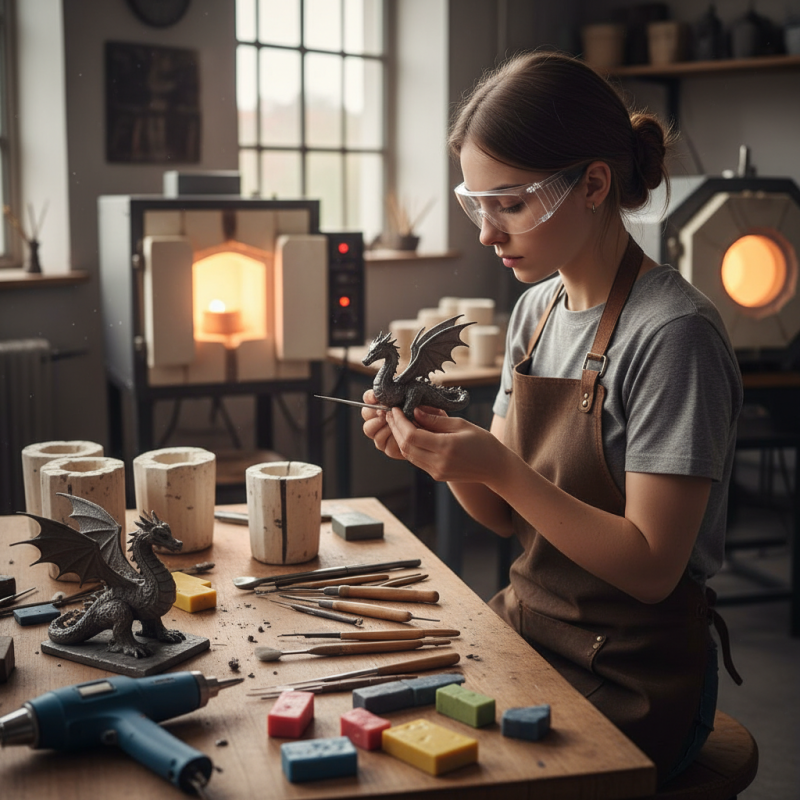
Lost wax steel casting is an ancient technique. It allows artisans to create intricate metal pieces. For beginners, understanding the process is key. The first step involves creating a wax model of your design. This model will define the final product.
Once the wax model is ready, it is coated with a ceramic material. This coating will become the mold once heated. As the mold heats, the wax melts away, leaving a cavity for metal. This step can be tricky. Achieving the right thickness in the ceramic shell requires practice.
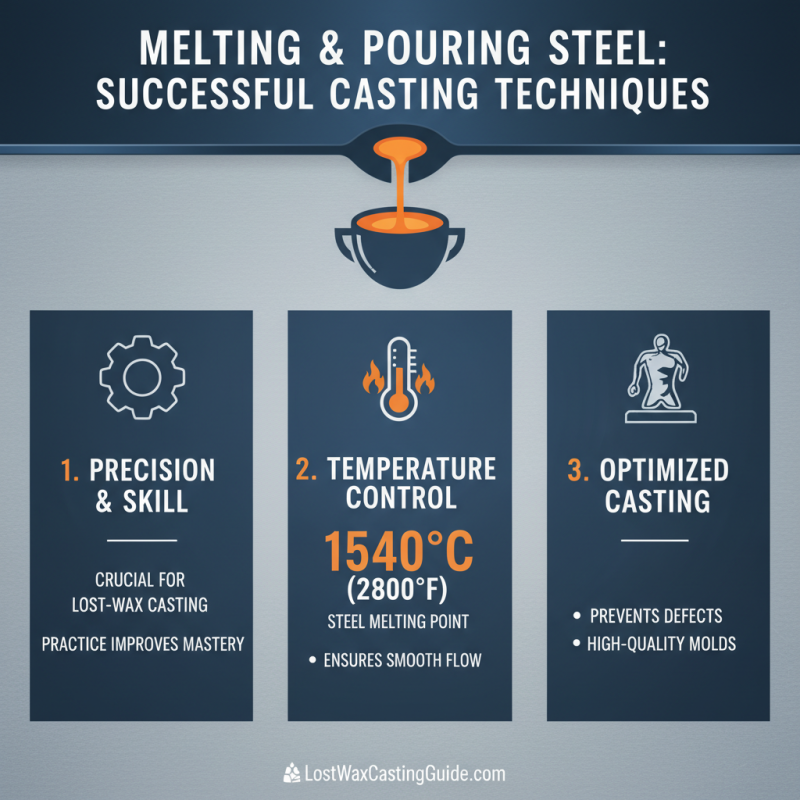
Pouring the molten steel into the mold demands precision and safety. Beginners may find this stage intimidating. Ensure proper ventilation and safety gear. It’s essential to pay close attention to temperatures. Even small errors can lead to significant flaws. Reflection on your work is vital for improvement. Over time, the nuances of this technique will become clearer.
Essential Tools and Materials for Lost Wax Casting Techniques
Lost wax casting, a time-honored method, requires specific tools and materials to achieve success. Understanding these essentials is crucial for beginners seeking to master this technique. You will need a wax model to create your design. The quality of the wax matters. Choose a type that melts easily and can capture fine details. Don't forget to gather a mold material, like plaster or ceramic shell. This will shape your cast.
In addition to wax and mold material, you’ll need a wax melting pot. This will help ensure the wax melts evenly. A furnace for metal casting is also vital, along with crucibles to hold the metal. Safety gear is non-negotiable. Protective eyewear and gloves are essential when handling hot materials. It's easy to overlook safety, but a single mistake can lead to serious injuries.
As you begin your journey, expect challenges. Mastering the temperature control during wax removal and metal pouring takes practice. Sometimes, your molds may crack, or your metal might not flow smoothly. These obstacles can be frustrating but are part of the learning process. Take notes on your experiences and iterate on your methods for improvement. Each attempt provides valuable insights into the artistry of lost wax casting.
2026 How to Master Lost Wax Steel Casting Techniques for Beginners? - Essential Tools and Materials for Lost Wax Casting Techniques
| Tool/Material |
Description |
Purpose |
Estimated Cost |
| Wax |
Specially formulated wax for sculpting |
Create patterns for casting |
$20 - $50 |
| Investment Powder |
A blend of silica and other materials for the mold |
Create a mold for the wax pattern |
$30 - $70 |
| Casting Flask |
Container used for holding investment powder |
Holds the wax pattern and investment |
$50 - $100 |
| Kiln |
High-temperature oven for melting and curing materials |
Burn out the wax and harden the mold |
$500 - $3000 |
| Metal Forge |
Used for melting metal for casting |
Melt steel, bronze, or other metals for the cast |
$1500 - $5000 |
Step-by-Step Guide to Creating a Wax Model for Casting
Creating a wax model for lost wax casting is crucial. It serves as the foundation for producing intricate metal pieces. The process combines art and science. According to a report by the American Society of Metal Manufacturers, approximately 80% of craftsmen emphasize the importance of a well-crafted model. Each detail counts.
Begin by choosing the right wax. Standard waxes can be manipulated easily, while more advanced types offer specific advantages, such as higher melting points. As you sculpt your model, precision is vital. Irregularities can lead to defects in the final cast. A recent survey found that nearly 30% of beginner castings are flawed due to poor modeling techniques. Reflecting on these challenges is essential for growth.
Once your model is complete, prepare it for molding. This step might require additional materials. Pay close attention to the layering process. Air bubbles can ruin weeks of hard work. Use tools like a temperature-controlled environment to improve mold accuracy. Balancing speed and meticulousness often proves difficult, but it’s key to mastering these techniques.
Post-Casting Process: Finishing and Polishing Your Steel Artifacts
The post-casting process is a crucial stage for any steel artifact created using lost wax casting techniques. Once you have removed the mold, the surface of your piece may still bear imperfections. These can include rough spots or uneven textures, which detract from the final aesthetic. This is where effective finishing and polishing come into play.
Begin by examining your work closely. Identify any areas that need attention. Using tools like files and sandpaper, you can carefully smooth out rough edges. Start with a coarser grit, gradually moving to finer grits. This step can be tedious, but it ensures your piece is more polished and refined. Pay attention to the details; small flaws can make a significant difference in the final appearance.
Polishing your steel artifact is the next critical step. A buffing wheel or polishing compound can work wonders here. Remember, this process can be challenging. It's easy to wear away too much material or miss spots. Regularly check your progress to avoid over-polishing. Don’t rush; patience will yield the best results. Embrace the imperfections in your work, as they can add character and story to your creations.
Lost Wax Steel Casting Techniques - Finishing and Polishing Results