2026 How to Choose Silicon Brass Precision Casting for Your Needs?
In the realm of manufacturing, choosing the right material is crucial. Silicon Brass Precision Casting stands out for its unique properties. Experts like Dr. Emily Harper emphasize, “The performance of your casting is directly linked to the alloy chosen.” This highlights the importance of informed decision-making.
Silicon Brass Precision Casting offers excellent corrosion resistance and mechanical properties. Its applications range from automotive to decorative components. However, not all castings are created equal. Factors such as design requirements and cost-effectiveness must be considered. Overlooking these can lead to complications.
Seeking advice from industry specialists is wise. Their expertise can help navigate the complexities of the casting process. Choosing the right supplier is equally important. A trusted partner can provide guidance and ensure quality. In the end, success hinges on understanding your specific needs and making informed choices.
Understanding Silicon Brass and Its Applications in Precision Casting
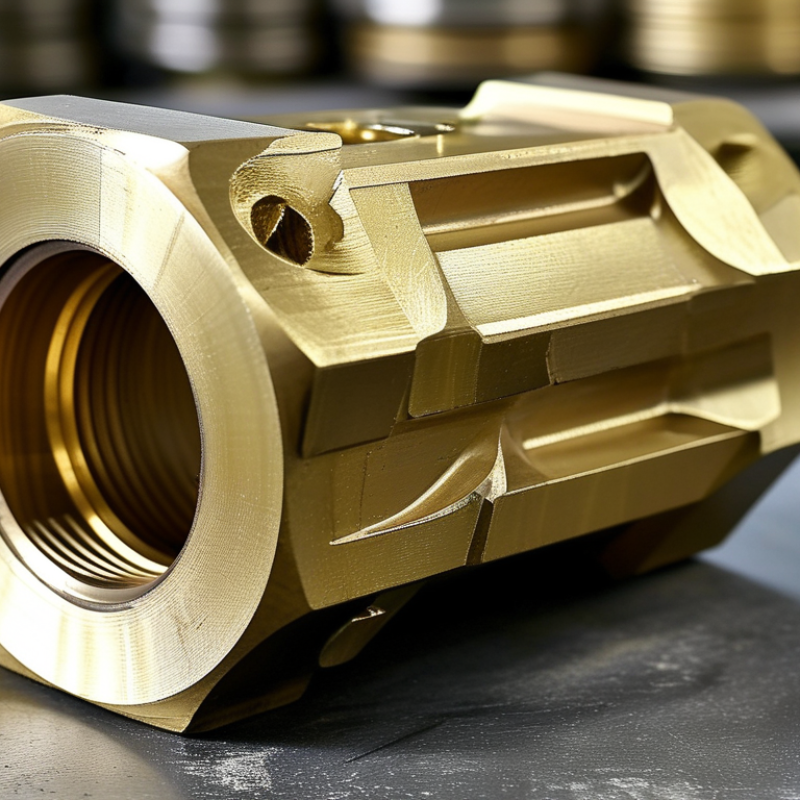
Understanding silicon brass and its applications in precision casting can significantly impact your project outcomes. Silicon brass is an alloy typically composed of copper, zinc, and silicon. Its unique properties make it ideal for various precision casting applications, such as electrical components and architectural fixtures. The addition of silicon improves fluidity during the casting process, resulting in fewer defects and smoother surfaces. This promotes durability and reliability in the finished products.
In industries ranging from automotive to marine, silicon brass offers excellent corrosion resistance. It withstands marine environments, which is crucial for boat fittings and hardware. Depending on your project, the specific alloy composition can greatly influence the final product's strength and performance. It’s vital to make informed decisions based on the environmental conditions where the parts will be used. Consider conducting tests or simulations before finalizing your casting choice.
However, silicon brass is not without limitations. Its higher cost compared to other materials can be a concern for some projects. Additionally, managing the casting temperature and timing is crucial. Overheating may yield a poor surface finish, while underheating can lead to incomplete molds. Engaging with experts can provide valuable insights into optimizing the casting process. Adopting a thoughtful, reflective approach will enhance your results in using silicon brass for precision casting.
2026 How to Choose Silicon Brass Precision Casting for Your Needs?
| Property |
Value |
Importance in Precision Casting |
| Copper Content |
60-70% |
Higher copper content improves corrosion resistance and enhances mechanical strength. |
| Zinc Content |
30-40% |
Zinc aids in the casting process and contributes to improved ductility. |
| Melting Point |
900-940°C |
Important for determining casting temperatures and processes. |
| Density |
8.4 g/cm³ |
Density affects the material's weight and applications in precision components. |
| Tensile Strength |
350-700 MPa |
Essential for ensuring product durability and performance under stress. |
| Resistance to Corrosion |
Excellent |
Critical for applications in marine and outdoor environments. |
| Machinability |
Good |
Facilitates easy machining for complex geometries in precision casting. |
| Applications |
Valves, fittings, and decorative items |
Widely used due to its favorable properties for various applications. |
Key Factors to Consider When Selecting Silicon Brass for Casting
When selecting silicon brass for precision casting, various factors are crucial to ensure you meet your specific needs. The alloy composition is fundamental. Silicon brass typically contains 0.5 to 6% silicon, enhancing fluidity and corrosion resistance. This can significantly influence mold filling, casting precision, and surface finish. Research indicates that less than 1% increase in silicon can improve casting yield by up to 10%.
Another key aspect is mechanical properties. The tensile strength of silicon brass can vary, generally around 300-500 MPa depending on the alloy. Understanding these properties allows for better selection based on application requirements. For high-stress components, choose alloys with higher strength specifications.
Lastly, evaluate the supplier's capabilities. Reliable foundries offer insights based on years of experience and industry standards. Reviewing their track record is essential for ensuring quality and consistency. Reports show that around 30% of casting defects arise from poor supplier communication. It’s vital to engage fully with your foundry partner to refine your casting specifications and ensure the best results.
Evaluating the Mechanical Properties of Silicon Brass for Your Needs
When evaluating the mechanical properties of silicon brass, it's essential to consider its unique characteristics. Silicon brass, an alloy composed of copper, zinc, and up to 5% silicon, offers excellent strength and corrosion resistance. The addition of silicon enhances its castability and improves the wear resistance of the final product. Consequently, parts made from silicon brass can have a longer service life.
Tensile strength is one crucial aspect of silicon brass that warrants attention. This property dictates how much force the material can withstand without deforming. Typically, silicon brass exhibits a tensile strength ranging from 380 to 500 MPa. Ductility is another important factor. Silicon brass possesses good ductility, allowing it to be formed into complex shapes without breaking. For applications requiring intricate designs, this attribute is particularly beneficial.
However, it's vital to acknowledge potential weaknesses. Silicon brass can become brittle under certain conditions, especially when cast improperly. Inadequate cooling or poor alloy mixing can lead to defects that compromise its properties. Understanding these nuances is key when choosing silicon brass for your specific applications. Insight into these mechanical properties enables you to make informed decisions tailored to your needs.
Comparing Silicon Brass with Other Alloys in Precision Casting
When considering precision casting options, silicon brass often stands out. This alloy, primarily composed of copper, features silicon for improved fluidity. According to industry reports, silicon brass can enhance mold capability by up to 30% compared to traditional brass. Such efficiency is crucial for complex designs.
In comparison to alloys like aluminum and stainless steel, silicon brass offers unique benefits. Aluminum is lighter, but it may not possess the same corrosion resistance or strength as silicon brass. Stainless steel, while durable, can be cost-prohibitive for intricate castings. Reports indicate that silicon brass castings experience less thermal expansion, reducing warpage post-production. This property is particularly valuable in applications requiring precise tolerances.
However, silicon brass is not without challenges. Its higher cost is a notable consideration in budget-sensitive projects. Additionally, the casting process might require more careful handling due to its alloy complexity. It's essential to weigh these drawbacks against the benefits to make an informed decision. Precision casting demands a thorough understanding of material properties, particularly when comparing different alloys.
Assessment of Cost and Quality in Silicon Brass Precision Casting选择
When selecting silicon brass precision casting, cost and quality are paramount. Understanding the price range helps set realistic expectations. Silicon brass is popular for its durability and corrosion resistance. However, the cost can vary based on the complexity of the casting process and the quality of the materials used.
Tip: Always request multiple quotes. This provides insights into market rates. It’s also beneficial to ask about the methods and materials used. Some providers may offer lower prices but compromise on quality.
Quality assessment is crucial. A detailed evaluation of the casting process should include surface finish, dimensional accuracy, and mechanical properties. It’s vital to check for certifications and compliance with industry standards. Look for manufacturers with a proven track record. They often provide transparency in their production techniques.
Tip: Don’t hesitate to visit the manufacturing site. This can reveal a lot about the quality assurance processes in place. Meeting the team can also foster better communication, helping to address any concerns comprehensively. Quality and cost rarely go hand in hand, so ongoing evaluation is essential.