What is Silicon Brass Precision Casting and Its Benefits?
Silicon Brass Precision Casting is an advanced manufacturing technique gaining popularity in various industries. This method offers distinct advantages, especially in creating intricate designs with high precision. It utilizes silicon brass, known for its excellent corrosion resistance and mechanical properties. The casting process ensures durable components that maintain integrity over time.
One of the key benefits of Silicon Brass Precision Casting is its adaptability. It allows engineers to produce complex shapes that are often challenging with other materials. Additionally, the process can significantly reduce waste, making it more environmentally friendly than traditional methods. However, it's essential to evaluate if this method aligns with specific project needs and budgets.
As industries evolve, Silicon Brass Precision Casting presents exciting opportunities. Yet, it requires a thoughtful approach to balance efficiency and cost-effectiveness. Understanding the nuances of this technique can lead to remarkable innovations, but it also demands careful consideration of its limitations and potential challenges.
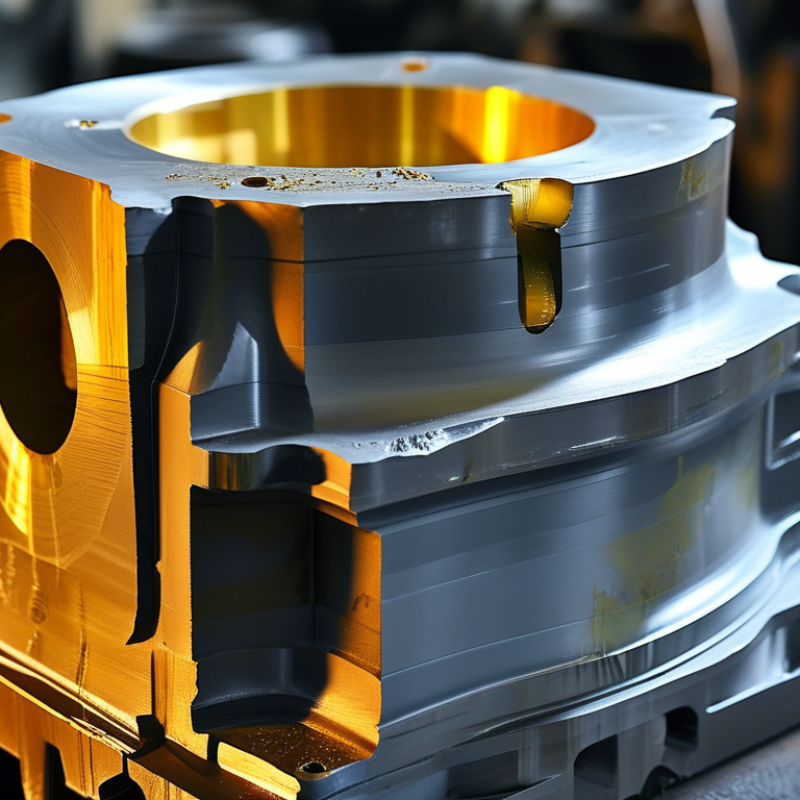
What is Silicon Brass Precision Casting?
Silicon brass precision casting is an advanced manufacturing process. It combines silicon with brass to create high-quality metal parts. This method enjoys widespread use in various industries, including automotive, aerospace, and electronics. According to industry reports, the global precision casting market is expected to grow significantly, reaching a value of over 30 billion dollars by 2025.
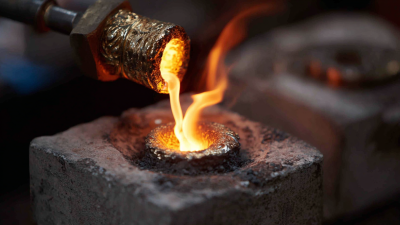
The casting process begins with molten silicon brass. This blend offers better fluidity during pouring. It also provides excellent mechanical properties. In fact, silicon brass has been reported to exhibit superior strength and corrosion resistance, making it suitable for demanding environments. The high precision achieved in this casting process minimizes the need for additional machining, which saves both time and costs.
However, while silicon brass casting has numerous benefits, it does have challenges. Achieving the right balance of silicon and brass is crucial. An incorrect ratio can lead to defects, compromising the final product's integrity. Additionally, the initial setup costs for precision casting can be high. Companies must weigh these factors to optimize production efficiency.
The Process of Silicon Brass Precision Casting
Silicon brass precision casting is a meticulous process that relies on high-quality craftsmanship. The process begins with creating a detailed wax model of the desired item. This model is then coated with a ceramic material, forming a mold. Once the mold hardens, the wax is melted away, leaving a cavity in the shape of the model. This step requires careful temperature control to avoid any imperfections in the mold.
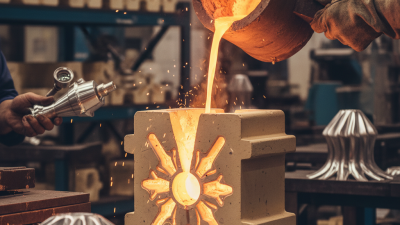
After the mold is ready, molten silicon brass is poured into the cavity. The casting must be done quickly to prevent premature solidification. Monitoring the pouring temperature is critical for achieving the desired strength and finish. Once cooled, the cast piece is removed, and any excess material is trimmed away, exposing a finely detailed component.
Attention to detail during each stage can influence the final product's quality. Sometimes, small flaws may occur, leading to rework or adjustments. This reflection on the process helps improve precision and efficiency over time. Clients often appreciate the durability and aesthetic qualities of silicon brass castings, which serve various industries effectively.
What is Silicon Brass Precision Casting and Its Benefits? - The Process of Silicon Brass Precision Casting
| Feature |
Description |
Benefits |
| Material Composition |
Base metals include copper, zinc, and silicon. |
Improved corrosion resistance and mechanical properties. |
| Casting Process |
Involves precision molds and controlled cooling. |
High dimensional accuracy and fine surface finish. |
| Applications |
Used in automotive, plumbing, and electrical components. |
Versatile material suitable for various industries. |
| Cost Efficiency |
Relatively low material costs with high performance. |
Reduces overall production costs. |
| Environmental Impact |
Recyclable materials and reduced waste generation. |
Meets sustainability goals. |
Advantages of Using Silicon Brass in Precision Casting
Silicon brass precision casting offers unique advantages. It is a popular choice in various industries. The alloy contains copper, silicon, and zinc, providing excellent corrosion resistance. This feature makes silicon brass ideal for marine applications. Its ability to withstand harsh environments is noteworthy.
Another key benefit of silicon brass is its good machinability. This allows for precise shaping and finishing during the casting process. Parts made from this alloy often have a smooth surface finish. This reduces the need for extensive post-processing. The reduced processing time is a significant advantage for manufacturers.
While silicon brass is beneficial, it does come with challenges. For instance, its melting point is relatively low. This can lead to difficulties in handling molten material. Moreover, not all silicon brass alloys are created equal. Understanding the specific composition is crucial. Quality control is essential to ensure optimal performance. Balancing these factors can be complex, but the results often justify the effort.
Applications of Silicon Brass Precision Casting in Various Industries
Silicon brass precision casting is a versatile method used across various industries. This technique utilizes a blend of copper, zinc, and silicon. The result is a strong and durable product. In manufacturing, precision cast components are essential. They allow for intricate designs and tight tolerances that other methods struggle to achieve. This can enhance product performance significantly.
In the automotive sector, silicon brass is popular for its corrosion resistance. Parts such as connectors and fasteners benefit from this quality. In the electronics industry, silicon brass precision casting is advantageous for creating reliable connectors. The casting process ensures consistent electrical conductivity, essential for complex circuitry.
While the benefits are clear, some issues arise. The casting process can lead to inconsistencies in the final product. Variations in temperature and material quality may affect results. Continuous monitoring and adjustments are crucial to minimize these problems. Learning from past productions can greatly improve future casting outcomes, leading to better quality overall.
Applications of Silicon Brass Precision Casting in Various Industries
Comparative Analysis of Silicon Brass with Other Casting Materials
Silicon brass precision casting offers distinct advantages over traditional materials. According to industry reports, silicon brass exhibits superior corrosion resistance. This makes it ideal for applications in marine environments. The alloy composition of silicon brass includes a percentage of silicon, which enhances mechanical properties. This can lead to increased strength in comparison with standard brass.
In a comparative analysis, the casting method significantly impacts the final product quality. Silicon brass often yields finer surface finishes. A study found that components made from silicon brass had fewer casting defects. This leads to reduced post-processing needs. Other materials, like aluminum or stainless steel, may not deliver the same level of precision or durability for specific applications.
While silicon brass shows promise, challenges exist. It can be costlier than conventional brass. Some manufacturers may hesitate due to the perceived complexity of working with silicon brass. Transitioning to this material may require additional expertise in machinery and handling. The industry must weigh these factors when considering an upgrade to silicon brass precision casting.