Why Choose Silica Sol Casting for Your Next Project?
Silica Sol Casting stands out as a preferred method in many industries today. Renowned expert Dr. James Turner, an authority on casting techniques, states, “Silica Sol Casting offers unmatched precision and surface finish.” This process utilizes a water glass solution to create intricate mold designs. Many manufacturers appreciate its ability to cast complex shapes with high dimensional accuracy.
The reliability of Silica Sol Casting cannot be overlooked. It involves a careful balance of materials and techniques, which requires skilled operators. Despite its advantages, some challenges exist. For instance, the cost of materials can be higher compared to traditional methods. This factor makes it crucial for project planners to weigh their options carefully.
While the benefits are substantial, Silica Sol Casting isn’t perfect. It requires precise temperature control and handling to avoid defects. Understanding these nuances is essential for achieving optimal results. Embracing the process with an open mind can lead to innovation in product design.
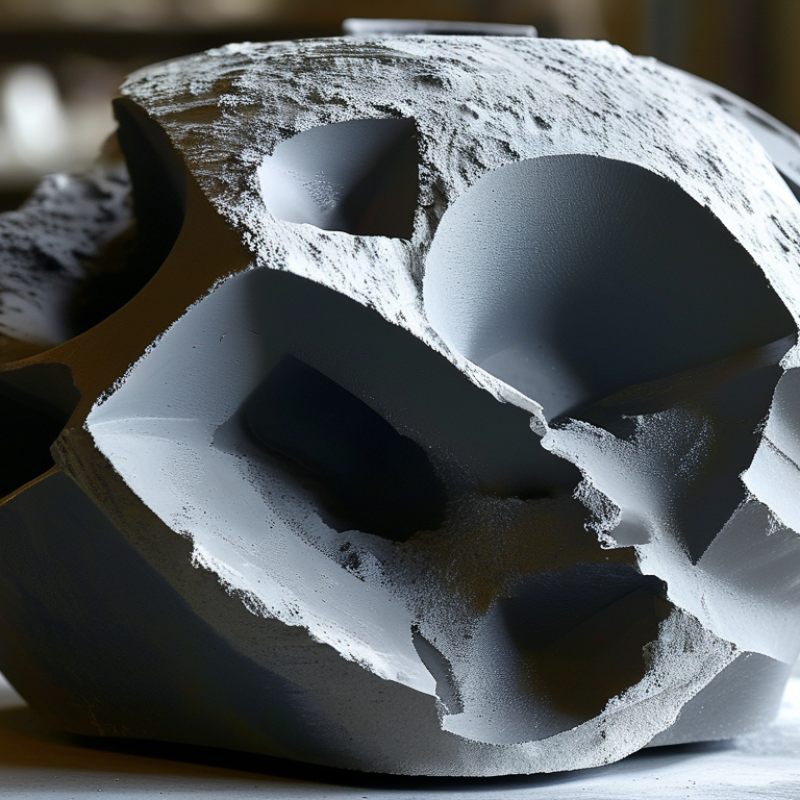
What is Silica Sol Casting and How Does It Work?
Silica sol casting is an advanced process in metal casting that utilizes silica sol as a binding agent. It features a fine and precise finish, making it ideal for intricate designs. Research indicates that silica sol casting can produce parts with dimensional accuracy as tight as ±0.1 mm. This level of precision is often required in aerospace and medical applications where tolerances matter greatly.
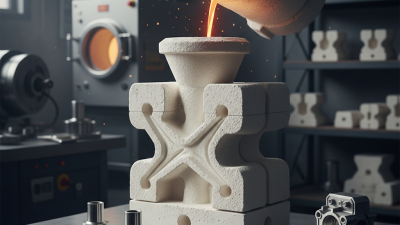
The process starts with creating a silica sol, which consists of tiny silica particles suspended in a liquid. These particles form a gel-like structure when mixed with water. Once the patterns are coated with the silica sol, they undergo a drying process. After this, the molds are baked to harden them before pouring in the molten metal. This method results in excellent surface quality, reducing the need for lengthy machining operations.
Industry reports show that the demand for silica sol casting has grown by 15% over the past five years. However, some challenges persist. The cost of silica sol itself can be higher than traditional sand casting. Additionally, the process requires careful control of humidity and temperature, which can be problematic in variable environments. Overall, while silica sol casting offers numerous advantages, it's essential to consider these factors when planning a project.
Benefits of Silica Sol Casting Compared to Other Casting Methods
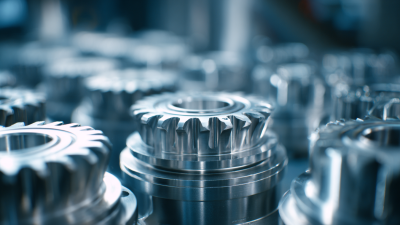
Silica sol casting offers distinct benefits over traditional casting methods. One notable advantage is its remarkable precision. The silica sol process produces molds that can capture intricate details. This feature makes it ideal for projects requiring fine finishes. It's often employed in industries like aerospace and automotive, where accuracy matters immensely.
Another benefit lies in its ability to create smooth surface finishes. The molds produced via silica sol casting rarely need post-processing. This saves time and reduces costs. However, the process does have some limitations. It can be more expensive upfront compared to sand casting. Additionally, it requires careful handling and expertise to achieve optimal results. In some cases, finding skilled technicians can be a challenge.
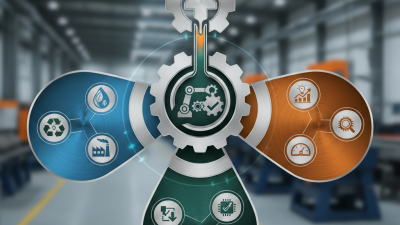
Furthermore, silica sol casting is environmentally friendly. It utilizes a water-soluble binder, minimizing harmful emissions. This appeal aligns with the growing industry shift towards sustainable practices. Yet, adapting to this method may require investment in training and equipment. Companies should weigh these factors before making a decision. Each project has unique needs that should guide this choice.
Benefits of Silica Sol Casting Compared to Other Casting Methods
Applications of Silica Sol Casting in Various Industries
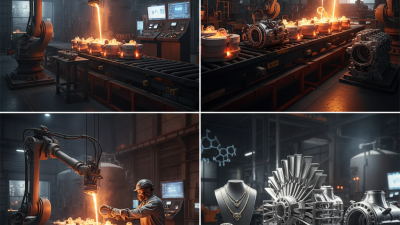
Silica sol casting has found its applications in various industries due to its unique properties. In aerospace, it enables the production of complex components with high precision. These parts must endure extreme conditions. Silica sol helps achieve excellent surface finishes, which is critical for performance and safety.
In automotive manufacturing, silica sol casting aids in creating lightweight yet strong components. The reduced weight enhances fuel efficiency, which is a growing demand. Additionally, the casting process allows for intricate designs, accommodating advanced technologies. Challenges can arise, such as temperature control during casting, requiring careful monitoring.
The medical industry also benefits from silica sol casting. It produces precise and biocompatible components necessary for implants and devices. However, the process demands high-quality raw materials to ensure reliability and safety. Understanding these nuances is essential for success in utilizing silica sol casting effectively.
Key Considerations When Choosing Silica Sol Casting for Your Project
Silica sol casting is a unique process that requires careful consideration. The choice of silica sol as a binder offers enhanced precision for complex designs. This method excels in producing smooth surfaces and intricate details.
When assessing silica sol casting for your project, clarity in your requirements is essential. Define your specifications and tolerances early on. You must understand how silica sol affects cast properties. This knowledge plays a crucial role in the final output.
Tips:
Consider the type of metal and alloy involved. Different materials react differently during casting. This can impact strength and durability. Additionally, think about post-casting processes. Silica sol can influence how easily the cast is machined or polished.
Be prepared for potential challenges. Silica sol casting can be sensitive to environmental factors. Temperature variations and humidity can affect performance. Testing prototypes before large-scale production can help mitigate risks. Adaptations can be made based on initial findings, allowing for improved results.
Future Trends and Innovations in Silica Sol Casting Technology
The landscape of silica sol casting technology is evolving rapidly. Innovations are emerging, enhancing efficiency and product quality. One notable trend is the integration of smart manufacturing technologies. These advancements enable real-time monitoring and control of the casting process. With improved data analytics, manufacturers can optimize production parameters, leading to better surface finishes and dimensional accuracy.
Another significant development is the increased focus on sustainable materials. As industries demand greener solutions, silica sol casting can adapt by incorporating eco-friendly materials. This shift is not without its challenges. The initial costs of sustainable materials can be higher. However, the long-term benefits may outweigh these concerns, such as reduced waste and lower carbon footprints.
Additionally, the customization of silica sol casting processes is gaining traction. As client demands vary, personalized solutions are necessary. Tailoring the casting process for specific applications can enhance the final product's performance. This trend encourages innovation but requires careful consideration of the balance between customization and efficiency. The path forward may not be straightforward, but it is filled with opportunities for growth and improvement.