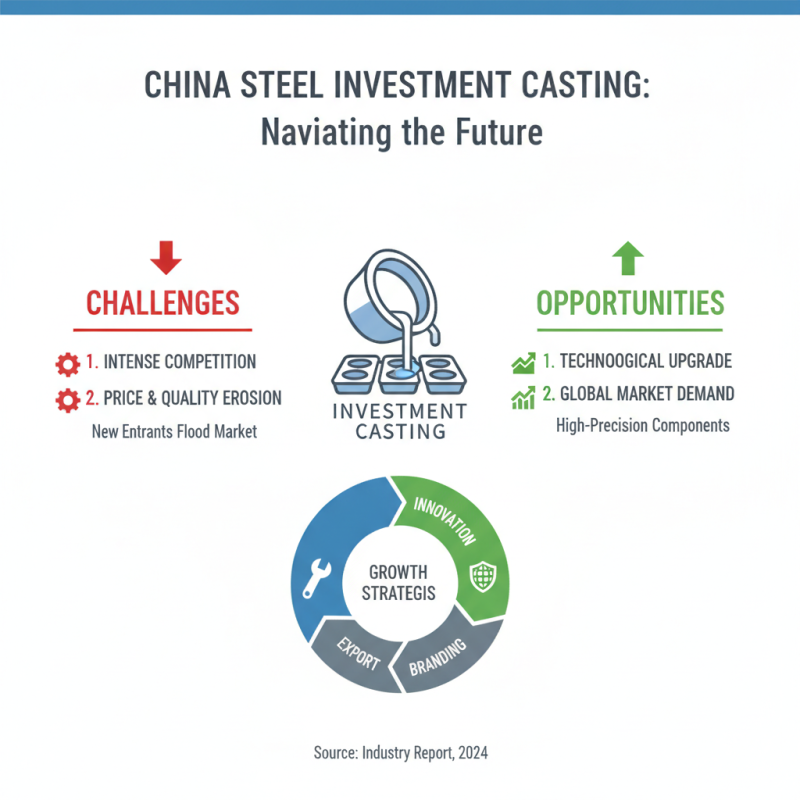
China Top Steel Investment Casting Manufacturers and Their Innovations?
China is home to some of the world's leading Steel Investment Casting manufacturers. In an industry valued at approximately $29.3 billion in 2021, these manufacturers are pivotal in meeting diverse sector demands, including automotive, aerospace, and industrial applications. The export of Steel Investment Castings from China contributed significantly, reflecting a robust growth rate of 6.5% annually.
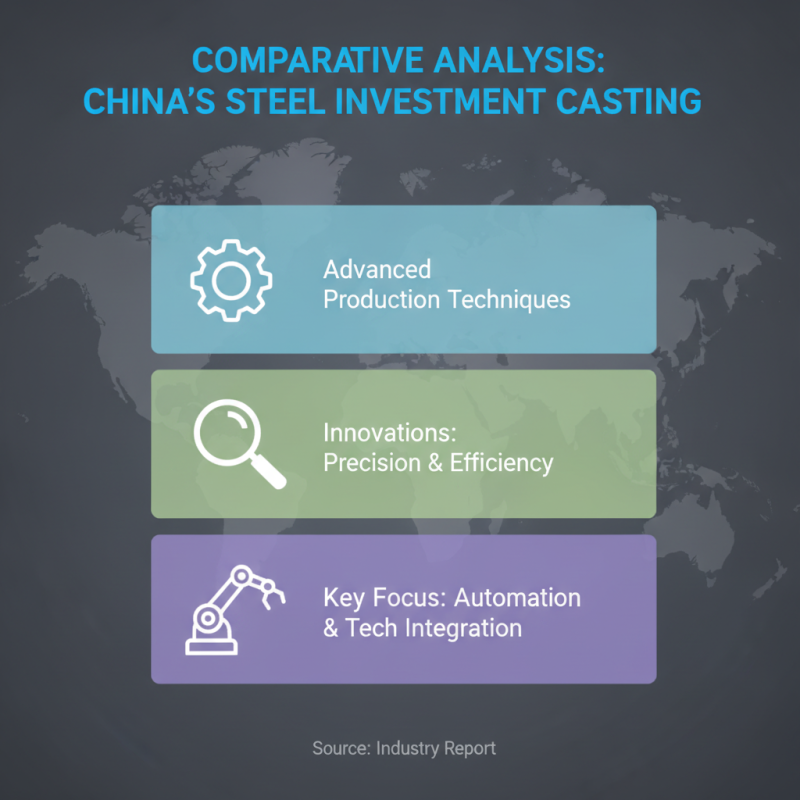
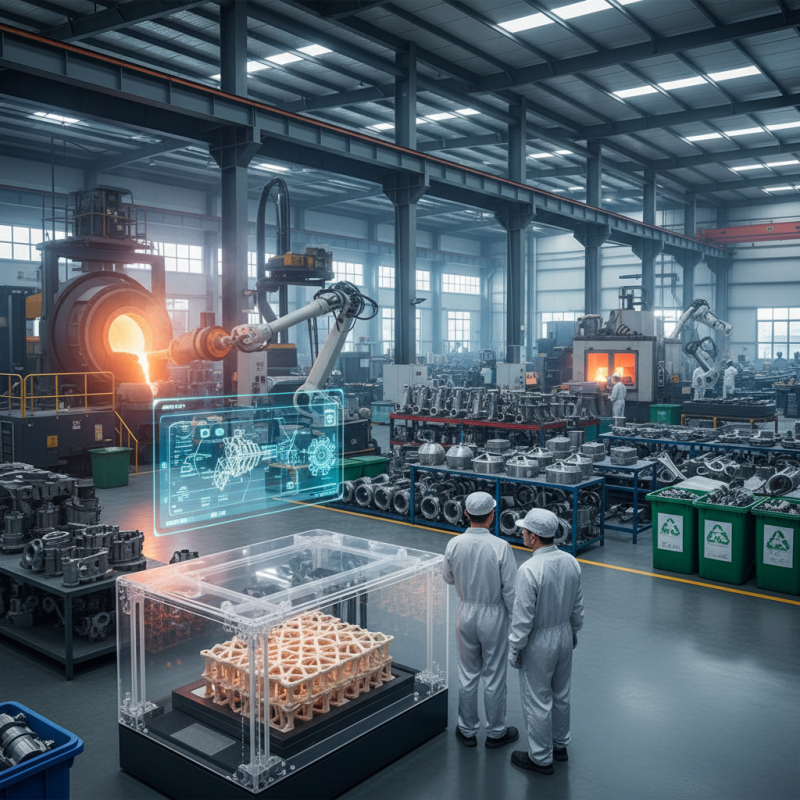
Innovation plays a vital role in the competitive landscape. Companies focus on enhancing melting processes and improving mold designs. This results in higher precision and reduced material waste. For example, advanced techniques like 3D printing are being adopted to create intricate patterns, offering customization options previously deemed impossible. However, challenges remain. Many manufacturers still face issues regarding consistency and quality control.
The reliance on traditional methods can lead to inefficiencies. Therefore, industry leaders are constantly exploring new materials and techniques. Embracing these innovations can reinforce their position in the global market. However, the journey of innovation in Steel Investment Casting must be approached with a clear commitment to quality and sustainability.
China's Leading Steel Investment Casting Manufacturers Overview
China has emerged as a powerhouse in the steel investment casting sector. Recent data suggests that the industry is valued at around $20 billion. This growth is buoyed by innovations in manufacturing processes and materials. Companies are increasingly turning to advanced technologies like 3D printing. These technologies enhance precision and reduce waste.
The leading manufacturers in China boast a strong commitment to research and development. They invest approximately 5% of their revenue back into innovation. This focus has led to the creation of lighter, stronger alloys. For example, some firms report a significant decrease in weight for automotive components. Yet, challenges remain. Issues like inconsistent quality and environmental regulations require continuous improvement.
The competition in the market is fierce. Many companies are exploring sustainable practices. However, only a few have fully integrated these practices into their business models. The disparity between leaders and laggards creates opportunities for growth. As the market evolves, a keen focus on quality and innovation will be crucial for survival.
China's Leading Steel Investment Casting Manufacturers Overview
Key Innovations in Steel Investment Casting Technologies
China is home to several leading steel investment casting manufacturers, driving advancements in casting technologies. In recent years, the industry has seen significant innovations aimed at improving precision, reducing costs, and enhancing sustainability. According to a report by Market Research Future, the global investment casting market is projected to reach $24 billion by 2025, showcasing the growing relevance of this manufacturing technique.
New materials and techniques are emerging. One such innovation is the introduction of 3D printing in mold creation, allowing for more complex designs without compromising quality. This method not only speeds up production time but also minimizes waste, aligning with the industry’s push for more sustainable practices. Additionally, advancements in alloy compositions improve the mechanical properties of cast materials, making them more durable and effective for various applications.
Tip: Embracing new technologies can lead to substantial improvements in operational efficiency. However, the transition may present challenges. Manufacturers must consider their workforce's skill set and be open to retraining. Balancing innovation with practicality is crucial. Experimenting with new methods can yield great results, but should always be approached with careful planning to mitigate potential risks.
Market Trends and Future Directions in Steel Investment Casting
The steel investment casting market is evolving rapidly, driven by innovation and sustainability. Reports indicate that this sector is projected to reach $12 billion by 2025, with a compound annual growth rate (CAGR) of 6%. Companies are exploring advanced materials, such as heat-resistant alloys, to enhance performance and longevity. This shift aims to reduce the environmental footprint of steel casting processes.
Another significant trend is automation in production. Automated systems improve precision, increase efficiency, and lower labor costs. This technology reduces human error, but it also raises questions about job displacement. Companies must balance innovation with the need for skilled labor. Training programs will be vital in ensuring a skilled workforce.
Collaboration is key in this industry. Partnerships between manufacturers and research institutions drive innovation. Furthermore, implementing circular economy principles is becoming essential. Companies are beginning to recycle waste material, showcasing both responsibility and forward-thinking. Economic pressures and sustainability expectations will push manufacturers to rethink their production methods.