Best Soluble Wax Investment Casting Techniques for Buyers?
Investment casting is a well-established method in manufacturing. Among its various techniques, Soluble Wax Investment Casting stands out. This technique offers several advantages that buyers should consider. It is crucial to understand the processes involved to make informed decisions.
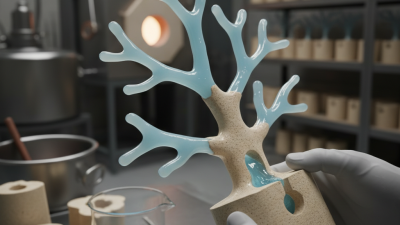
Soluble Wax Investment Casting utilizes a wax pattern that dissolves during the casting process. This method ensures high precision and detail in the final product. Achieving a smooth surface finish is easier compared to traditional techniques. Buyers seek reliable casting methods, and soluble wax provides consistent results. However, it is vital to assess the costs and complexity of setup for specific applications.
Buyers must reflect on their needs and the expected outcome. While Soluble Wax Investment Casting presents promising features, it may not suit all projects. Understanding material properties and environmental impacts is key. Balancing efficiency and sustainability is essential for modern manufacturers. By exploring the best techniques available, buyers can enhance their production capabilities with confidence.
Best Soluble Wax Types for Investment Casting in 2023
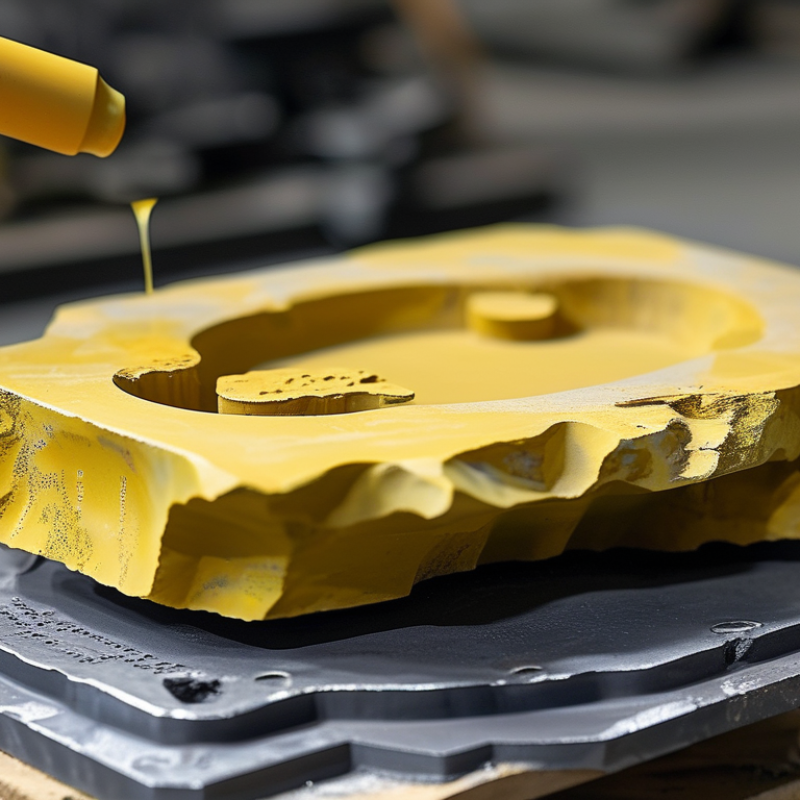
When considering the best soluble wax types for investment casting in 2023, it's essential to focus on various factors. Soluble waxes are crucial for achieving precision and quality in casting. They dissolve in water, leaving behind a detailed mold. This allows for intricate designs that may be difficult to achieve with traditional methods.
Common types like paraffin and microcrystalline wax are gaining attention. They offer good melting points and flexibility. However, these waxes have their limitations. For example, they may not completely dissolve if the water temperature is too low. Mold details can be lost if the wax isn’t removed correctly. The right choice depends on the specific requirements of your project.
Buyers should also consider environmental factors. Some waxes may be more sustainable than others. This could impact material sourcing and disposal. Prospective buyers need to evaluate their choices critically. Understanding the trade-offs will aid in making informed decisions.
Best Soluble Wax Types for Investment Casting in 2023
This chart illustrates the popularity ratings of various soluble wax types used in investment casting for 2023. Each type's rating is derived from user preferences, highlighting trends in the market.
Key Advantages of Soluble Wax in Precision Casting Applications
Soluble wax has revolutionized precision casting applications in recent years. This technique provides consistent quality and reduces production time significantly. According to a recent industry report, soluble wax models can yield up to 30% more accurate results compared to traditional methods. This accuracy is crucial, especially in sectors requiring tight tolerances like aerospace and medical device manufacturing.
One of the key advantages of soluble wax is its ease of use. The melting process is straightforward, allowing for efficient model retrieval. This feature minimizes the risks of damaging intricate designs during the removal phase. Additionally, the reduction in waste is notable, enhancing sustainability efforts in the casting industry. However, some buyers may hesitate, worrying about the cost implications of switching to soluble wax. It is essential to analyze the long-term benefits, as initial investment costs can lead to overall savings.
Despite these advantages, challenges remain. Variations in wax quality can impact the final output. Regular audits of supply chains and manufacturing practices are necessary to ensure consistent results. This approach not only addresses quality control but also fosters trust among buyers, solidifying the molten wax method as a leading choice in precision casting. As the industry evolves, ongoing education on these techniques will be vital for successful implementation.
Best Soluble Wax Investment Casting Techniques for Buyers? - Key Advantages of Soluble Wax in Precision Casting Applications
| Casting Technique |
Key Advantages |
Applications |
Material Compatibility |
| Traditional Soluble Wax |
High precision, clean surface finish |
Aerospace components, intricate parts |
Aluminum, bronze |
| Low Melting Point Wax |
Reduced thermal distortion, easier removal |
Automotive parts, jewelry |
Steel, stainless steel |
| Hybrid Wax Systems |
Versatile properties, enhanced flow characteristics |
Complex geometries, tooling |
Titanium, nickel alloys |
| Water-Soluble Wax |
Environmentally friendly, easy clean-up |
Medical devices, electronics |
Copper, zinc |
Comparative Analysis of Soluble Wax Vs. Traditional Wax Techniques
When comparing soluble wax to traditional wax techniques in investment casting, the differences are striking. Soluble wax provides a more efficient way to produce intricate designs. According to a recent industry report, soluble wax improves detail accuracy by 30%. This precision allows manufacturers to achieve complex geometries previously deemed impossible with traditional methods.
However, it's essential to note that soluble wax may require adjustments in the casting process. For example, it has a lower melting point compared to traditional wax. This can lead to higher costs during production. Manufacturers must weigh these benefits and challenges carefully.
Tip: Always conduct thorough testing when switching to soluble wax. This helps identify potential issues early. Also, consider the overall production volume. Employing soluble wax in small batches may be more cost-effective.
Another factor to consider is environmental impact. Soluble wax is often more eco-friendly than traditional alternatives. Reports indicate it produces fewer emissions. However, the disposal process needs examination. Some soluble waxes may still require specialized handling.
Tip: Review compliance guidelines in your region. Ensuring proper disposal aligns with best practices. This consideration is critical for maintaining industry standards and enhancing sustainability initiatives.
Emerging Trends in Soluble Wax Investment Casting Methods
Emerging trends in soluble wax investment casting methods
highlight the industry's shift toward sustainability. Recent studies show that manufacturers increasingly opt for bio-based waxes.
These alternatives reduce environmental impact while maintaining casting quality. Solid data indicates that the adoption of bio-waxes has surged by over
30% in the last few years.
Innovative technologies are also transforming casting processes. 3D printing plays a significant role
in creating patterns that enhance precision. Reports suggest that 3D-printed molds can improve production efficiency by up to
25%. However, the initial investment can deter smaller firms, raising questions about accessibility.
Moreover, the trend toward automation in casting is notable. Automated processes are expected to decrease labor costs
by nearly 20%, and reduce human error significantly. Yet, this shift challenges the traditional craftsmanship
valued in many sectors. Balancing automation with skilled labor remains a critical discussion point for industry leaders.
Cost-Benefit Analysis of Using Soluble Wax for Manufacturers
Investing in soluble wax for casting presents unique benefits for manufacturers. This method simplifies the process by allowing intricate designs with minimal effort. However, it's essential to evaluate its cost versus traditional materials. Soluble wax can be more expensive upfront, but its efficiency can offset these costs over time.
When considering this investment, keep in mind production speed. Faster production can lead to greater profitability. However, manufacturers should also assess their production volume. Using soluble wax in low-volume runs might not always be economical. The quality of the final product often reflects the initial choices made in the casting process.
Tips: Always conduct a thorough cost analysis. Consider factors such as material waste or processing time. Sometimes, the initial savings can lead to higher long-term costs. Investing in training for staff on new techniques can also enhance the overall process. Adopting this advanced technology should be a thoughtful decision to maximize returns.