10 Essential Tips for Successful Stainless Investment Casting Process
In the realm of manufacturing, few processes are as intricate as Stainless Investment Casting. This method offers unparalleled precision and durability for producing complex components. Industry expert Dr. Emily Zhang has remarked, "Success in stainless investment casting hinges on attention to detail and understanding material behaviors." This statement underscores the importance of expertise in achieving high-quality results.
The intricacies of Stainless Investment Casting require careful planning. Every step, from mold design to material selection, holds significance. For example, slight imperfections in the mold can lead to flaws in the final product. This highlights the need for continuous reflection on processes and outcomes. It is not merely about following steps; it’s about understanding the nuances that make or break the project.
Moreover, the challenge lies in balancing innovation with established practices. As technology evolves, so must our approaches. Integrating new techniques without compromising quality is essential. By addressing these challenges head-on, professionals in Stainless Investment Casting can refine their craft, ensuring that each casting meets both functional and aesthetic requirements.
Understanding the Basics of Stainless Investment Casting Techniques
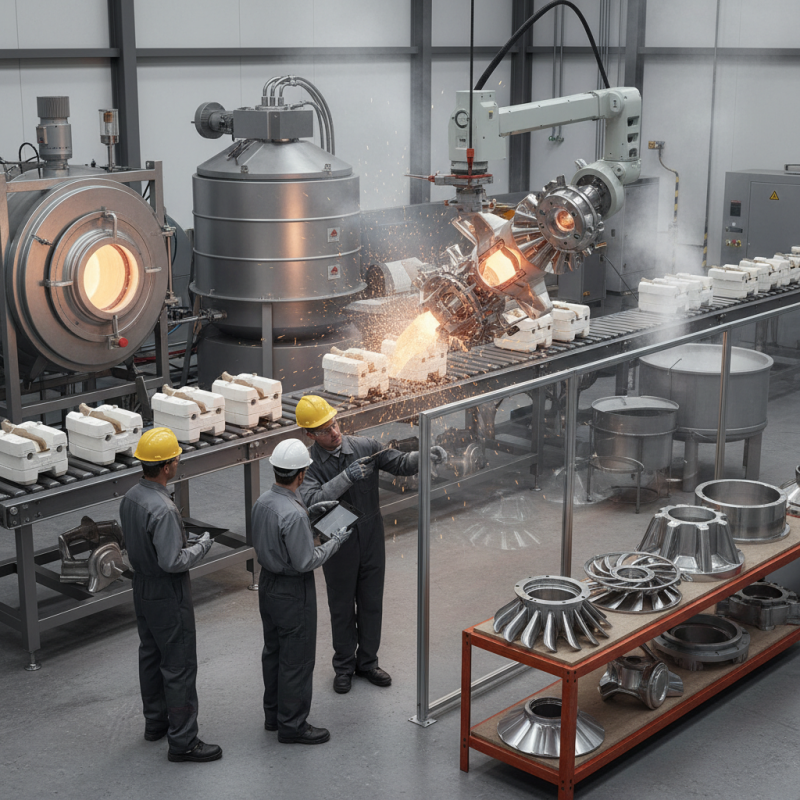
Stainless investment casting is a precise method employed in various industries. Understanding the fundamental techniques is vital for success. This casting type is favored for its excellent strength, corrosion resistance, and high-temperature stability. Recent industry reports suggest that the stainless steel casting market is expected to grow significantly, reaching $20 billion by 2025. The increasing demand for durable components drives this trend.
Shaping the process begins with pattern design. It's crucial to create detailed patterns to minimize defects. Minor imperfections can lead to larger issues in production. Focusing on the design can reduce rework and waste. Implementing advanced CAD software can enhance design precision and efficiency.
Choosing the right alloy is equally important. Various alloys provide distinct properties. For instance, 316 stainless steel is known for its exceptional corrosion resistance. Regular analysis of supply chain and material quality can reveal areas for improvement. A solid understanding of alloy behavior can prevent costly mistakes in auditions.
Effective temperature control during melting and pouring ensures better results. Exact temperature management impacts the final product's integrity. Investing in modern heating equipment can improve efficiency while reducing energy consumption. Regular training for technicians enhances skill levels, improving overall process reliability.
Key Materials and Alloys for Optimal Investment Casting Performance
When diving into the world of investment casting, the choice of materials and alloys is crucial. Stainless steel is often a go-to option due to its corrosion resistance and durability. Alloys like 316 allow for excellent machinability and superior strength in demanding environments. This can lead to optimal performance across different applications, ensuring longevity and reliability.
However, not all stainless materials are created equal. Each alloy has specific properties that dictate its performance during the casting process. For instance, 304 offers good weldability but may not withstand high-stress applications as effectively. Understanding the nuances of these variations is key. It's essential to analyze the requirements of the end product and select the alloy that best aligns with those needs.
Additionally, refining the casting process may involve experimentation. Sometimes, unexpected challenges arise during casting, hinting at the need for better material choices. Recognizing and addressing these issues can lead to enhancements in the material selection process. Balancing cost with performance and considering the casting environment can result in more successful outcomes.
The Role of Wax Patterns in Achieving Precision in Investment Casting
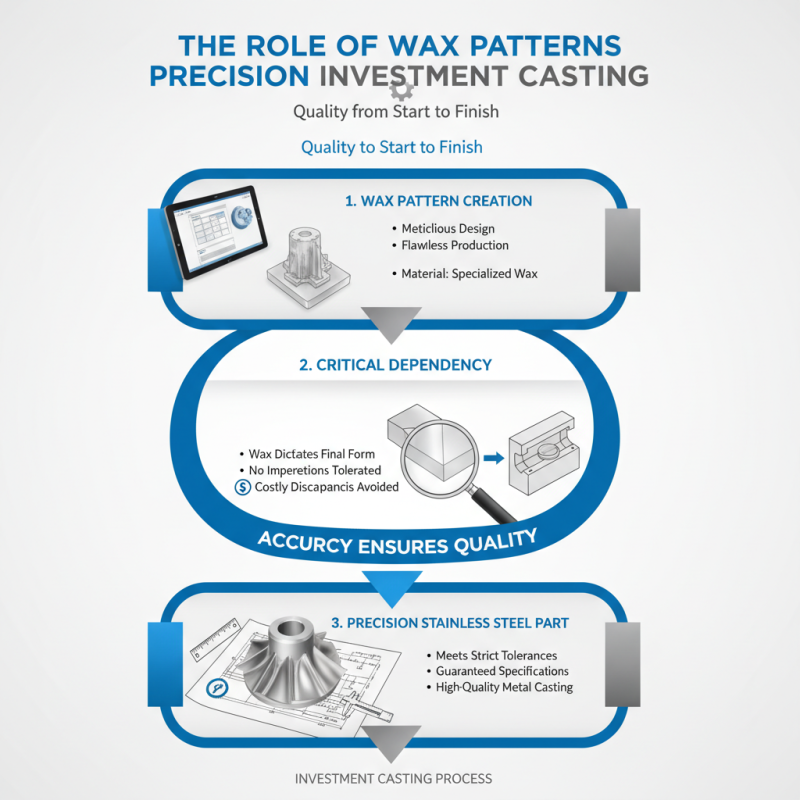
The investment casting process relies heavily on the quality of wax patterns. These patterns dictate the precision of the final stainless steel parts. Wax patterns must be meticulously designed and produced, as any imperfections can lead to costly discrepancies. The accuracy of these patterns ensures that the final castings will meet strict tolerances and specifications.
Tip: Use high-quality wax for patterns. This choice significantly influences the detail and surface finish of your castings. Soft wax allows for intricate designs but may require temperature control during the process.
Additionally, the method of creating patterns is crucial. Techniques such as precision machining or 3D printing can be employed. Each method has its advantages and potential pitfalls. 3D printed patterns offer rapid prototyping but may need refinement. Remember, achieving the right balance between detail and strength is essential.
Tip: Regularly inspect and clean the molds used for casting. Contaminants can affect the flow of molten metal, leading to defects in the final product. Pay attention to the smallest details, as they often make the biggest difference.
Critical Factors Influencing the Quality of Investment Castings
The quality of investment castings relies on multiple critical factors. Close attention to the entire casting process is vital to achieve desired results. One key area is pattern design. A well-thought-out design ensures accurate mold creation. Substandard patterns lead to defects. Small errors can snowball into major issues.
Another important factor is material selection. The choice of stainless steel alloy directly affects strength and corrosion resistance. Understanding the properties of various alloys can enhance performance. It's essential to work with reliable suppliers who understand these materials. Regular quality checks during this stage can prevent future problems.
Tip: Always test samples before mass production. This step identifies potential problems early. It’s a crucial way to maintain quality control. Proper training for staff on techniques and technologies enriches the overall process. Continuous education and feedback loops encourage a culture of improvement. Reflecting on each project informs future endeavors.