Choosing the Best Precision Casting Components Supplier in China takes more than comparing quotations. Buyers need evidence of process control, material traceability, dimensional capability, and dependable delivery. The global investment casting market was valued at approximately US$17.67 billion in 2023, according to Grand View Research’s Investment Casting Market report. Its forecast points to continued demand, but market growth alone does not prove that any supplier is qualified.
Precision Casting Components can serve demanding applications in aerospace, automotive, energy, and industrial equipment. Yet even a polished sample may hide inconsistent batch control. John Campbell, a casting researcher and author of Complete Casting Handbook, emphasizes: “The quality of a casting is determined by the quality of the liquid metal.” That principle makes foundry controls worth examining closely. Ask how a supplier manages alloy composition, shell preparation, pouring temperature, heat treatment, and inspection records. Request sample reports, not just assurances.
Look for measurable evidence: dimensional inspection results, non-destructive testing procedures, and clear corrective-action records. A factory visit can reveal practical details, such as how patterns are stored and how rejected parts are segregated. No supplier is perfect. I would treat unusually broad capability claims as a reason to ask more questions, not as proof of quality. The best partner is one whose strengths match your drawings, tolerances, order volume, and verification needs. Industry reports offer useful context; they cannot replace a part-specific technical review.
Precision casting components are metal parts made to hold detailed shapes and controlled dimensions. The method is often called investment casting. It suits parts with curved passages, thin walls, or features that would be difficult to machine from solid stock. Common examples include valve bodies, pump impellers, brackets, and small turbine parts.
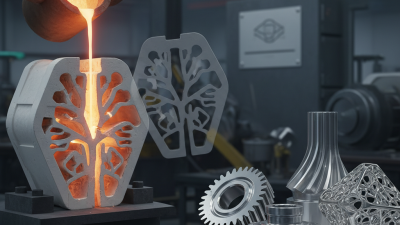
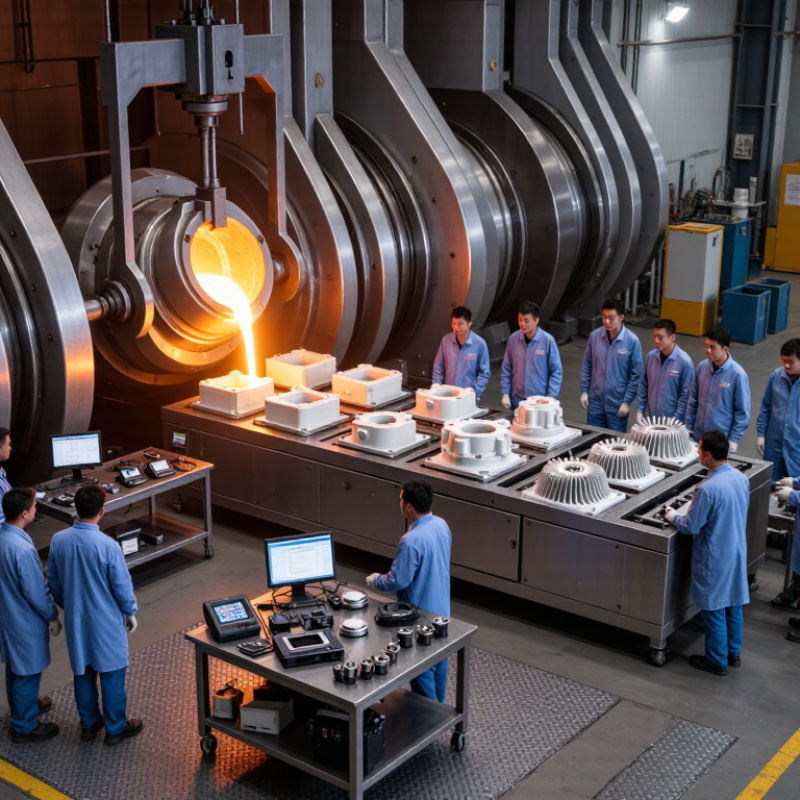
The process starts with a wax pattern shaped like the intended component. Workers attach patterns to a central wax runner, then dip the assembly in ceramic slurry and coat it with fine sand. Each layer dries before the next is added. Once the shell is strong, heat melts out the wax. Molten alloy is poured into the cavity and allowed to cool. Then the ceramic shell is broken away, and gates are cut off.
Details matter. A casting may look sound but still need checks for dimensions, surface flaws, and internal defects. Inspection can include gauges, visual examination, or suitable nondestructive testing. The part may also need heat treatment or light machining on critical faces. Precision does not mean every feature comes out perfect; alloy shrinkage and shell behavior can affect results. Designers and suppliers often refine gates, tolerances, and wall thickness after reviewing early samples. That iteration can feel inconvenient, but skipping it risks costly surprises later.

A reliable precision casting supplier should understand the part’s function, not just its drawing. Ask how the team selects alloys, controls mold temperatures, and manages shrinkage. These choices affect dimensions, surface finish, and internal soundness. Details matter. Request sample parts and inspection records, then compare critical features with your drawing using suitable gauges or a coordinate measuring machine.
Look for a documented quality process, including material certificates, batch traceability, and clear inspection criteria. A capable supplier can explain what happens when a measurement falls outside tolerance. Ask to see a corrective-action example, with sensitive customer details removed. Communication counts, too. Technical questions should receive specific answers, not vague promises about “good quality.” Confirm who approves drawing changes and how revised files are tracked.
Production experience is useful, but it does not guarantee every batch will match. No supplier is flawless. I would still verify capacity, lead times, and inspection methods before placing a large order. A factory visit or independent audit can reveal practical details, such as how castings are labeled after heat treatment. Not every part needs the same checks. Agree on acceptance criteria for your component, and review first-article results before routine production begins.
Precision casting suppliers support aerospace, energy, automotive, food-processing, and industrial equipment makers. In aerospace systems, cast brackets and housings can reduce assembly complexity while keeping weight in check. Energy equipment may use cast valve bodies, pump impellers, and turbine components exposed to heat or pressure. Automotive applications include small hardware, steering parts, and housings where consistent geometry matters. Details matter.
Food-processing lines need components with smooth surfaces and suitable corrosion resistance, especially around washdown areas. Medical equipment may use compact cast parts for frames, handles, or instrument housings; the required material and finish depend on the device and its intended use. Agricultural machinery also relies on durable cast components that face dust, vibration, and changing weather. A supplier’s experience with one industry does not guarantee a good fit for another.
Before choosing a casting process, buyers should compare drawings, alloy options, expected volumes, and machining needs. Ask how samples are inspected and how casting defects are handled. A drawing can look complete, yet omit a detail that affects tool design or assembly. Casting is not always the best route: very thin walls or unusually tight tolerances may require redesign or additional machining. Fit comes first.
| Industry | Example Precision-Cast Components | Common Material Options | Typical Application Requirements | Relevant Quality Checks |
|---|---|---|---|---|
| Aerospace | Turbine blades, vanes, brackets, and selected engine or airframe components | Nickel-based superalloys, stainless steels, titanium alloys, and aluminum alloys, depending on the part | Complex geometry, controlled dimensions, heat resistance for hot-section parts, and traceable material records | Dimensional inspection, material verification, visual examination, and specified non-destructive testing |
| Automotive and Transportation | Turbocharger turbine wheels, pump components, valve parts, and compact structural components | Stainless steel, alloy steel, heat-resistant alloys, and aluminum alloys | Repeatable dimensions, resistance to heat or vibration where required, and suitability for the operating environment | Dimensional checks, surface inspection, material testing, and functional testing where specified |
| Power Generation | Gas-turbine blades and vanes, pump impellers, and selected valve components | Nickel-based superalloys, stainless steels, and other heat- or corrosion-resistant alloys | Performance under heat, pressure, or corrosive service conditions; requirements depend on component location and design | Material verification, dimensional inspection, and non-destructive examination based on the drawing and specification |
| Oil, Gas, and Process Equipment | Valve bodies, pump parts, impellers, and fittings with complex internal or external features | Stainless steels, duplex stainless steels, carbon and alloy steels, and nickel-based alloys | Pressure-boundary integrity, corrosion resistance, and compatibility with the conveyed fluid and service conditions | Visual and dimensional inspection, material traceability, and specified pressure or non-destructive tests |
| Marine | Pump impellers, valve components, and other parts exposed to seawater or marine environments | Corrosion-resistant stainless steels, duplex stainless steels, and suitable copper-based alloys | Resistance to seawater corrosion, reliable fit, and performance under the intended operating conditions | Material checks, dimensional inspection, surface examination, and application-specific testing |
| Medical and Laboratory Equipment | Instrument components, equipment fittings, and compact housings or structural parts | Stainless steels, titanium alloys, and other alloys selected for the design and intended use | Cleanable surfaces where required, dimensional consistency, and material suitability for the equipment application | Dimensional and visual inspection, material documentation, and specified surface or functional checks |
| Industrial Machinery | Pump and compressor parts, impellers, valve components, and complex brackets or housings | Stainless steel, alloy steel, carbon steel, and aluminum alloys | Fit with mating parts, strength for the intended load, and resistance to wear, heat, or corrosion as applicable | Drawing-based dimensional inspection, visual examination, material verification, and assembly checks |
| Food and Beverage Processing | Pump components, valve parts, fittings, and selected equipment components | Stainless steels commonly selected for corrosion resistance and cleaning requirements | Compatibility with the product and cleaning process, suitable surface condition, and hygienic design where specified | Surface and dimensional inspection, material verification, and checks against the applicable equipment specification |
Material choices, tolerances, inspection methods, and certifications depend on the component design, service conditions, applicable standards, and purchase specification.
When comparing precision casting suppliers in China, look beyond polished samples. Ask how each supplier controls wax patterns, shell thickness, pouring temperature, and heat treatment. These details affect dimensions and internal consistency. Request material certificates, inspection reports, and traceability records for a recent production batch. Check whether measurements cover your critical features, not only easy-to-reach surfaces. A factory visit or live process review can reveal gaps that a presentation cannot. Small details count.
Cost needs context. Compare tooling, expected yield, machining, inspection, packaging, and freight—not just the piece price. A low quotation may exclude steps your part requires. Delivery estimates should include sample approval, tooling trials, production capacity, and shipping time.
Ask for a dated schedule with named milestones, then see how the supplier reports delays. Clear answers are useful. Vague promises are not. A pilot order can test quality and communication before larger volumes.
Even a detailed scorecard has limits; production surprises happen, and buyers should leave room for honest review and adjustment.
Best Precision Casting Components Supplier in China?
Steps for Selecting the Right Precision Casting Partner
Choosing a supplier starts with your part, not a price list. Define the alloy, annual volume, critical dimensions, surface finish, and inspection needs. A turbine bracket and a small valve body demand different process controls. Ask which casting route suits your geometry, and request evidence from comparable parts. Ask for evidence.
The World Foundry Organization’s 2022 casting census reported global production of about 109.7 million tonnes. That scale makes supplier capability—not industry size—the key question. Request process flow charts, sample inspection reports, and material certificates. Check how the supplier controls wax patterns, shell thickness, pouring temperature, and heat treatment. These details can reveal whether tolerances are repeatable, rather than achieved on one carefully selected sample.
Review first-article results against your drawing, including datum setup and measurement methods. Confirm how nonconforming parts are recorded and corrected. A site audit can help, but a tidy workshop is not proof of stable production. Ask to see records from a recent batch. Discuss tooling ownership, lead times, packaging, and freight costs before approving samples. One uncomfortable truth: drawings sometimes leave assumptions unstated. Resolve them early, or small misunderstandings can become costly rework.
Suggested evaluation weights for comparing precision casting partners. These are planning weights, not results from an industry survey; adjust them to match your component and project requirements.
How to use it: Score each supplier against the same criteria, using verifiable evidence such as capability studies, inspection records, quality certifications, on-time delivery history, and engineering change-response procedures. Multiply each score by its criterion weight to compare suppliers consistently.