Top Investment Casting Products from China for Global Buyers?
Investment casting products play a pivotal role in modern manufacturing, particularly in industries such as aerospace, automotive, and medical devices. According to a market research report by Mordor Intelligence, the global investment casting market is projected to reach USD 20.45 billion by 2026, growing at a CAGR of 5.4%. China stands out as a significant player in this sector, offering a diverse range of high-quality investment casting products.
The country's advanced manufacturing capabilities and skilled workforce contribute to its competitive edge. Chinese manufacturers frequently utilize state-of-the-art techniques and materials, ensuring that their products meet rigorous international standards. This focus on quality is reflected in the growing trust of global buyers in Chinese investment casting products. However, companies must remain vigilant about the variability in supplier standards and practices, which can affect overall product reliability.
In this evolving landscape, understanding the strengths and weaknesses of various Chinese investment casting suppliers is crucial. As the market expands, buyers are tasked with discerning genuine quality from mere claims. Exploring the top investment casting products from China can uncover valuable opportunities while prompting careful evaluation and reflection on sourcing practices.

Top Investment Casting Products in China: A Comprehensive Overview
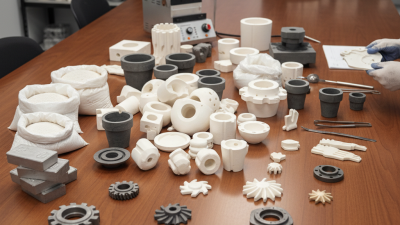
China has become a significant player in the global investment casting market. Products manufactured through investment casting display superior precision and surface finish. These components are widely used in industries such as automotive, aerospace, and medical devices. They attract buyers due to their versatility and durability.
When sourcing investment casting products from China, consider quality control measures. Not all manufacturers adhere to the same standards. Researching certifications can guide buyers toward reliable suppliers.
Tips: Always request samples before placing large orders. Evaluate the material quality and craftsmanship. This helps to avoid costly mistakes.
Another crucial aspect is communication. Clear specifications reduce misunderstandings. Miscommunications can lead to production delays or defective products. Establishing a well-defined agreement is essential.
Tips: Foster a good relationship with suppliers. This often leads to better service and potential discounts. Invest time upfront; it pays off in the long run.
Top Investment Casting Products from China for Global Buyers
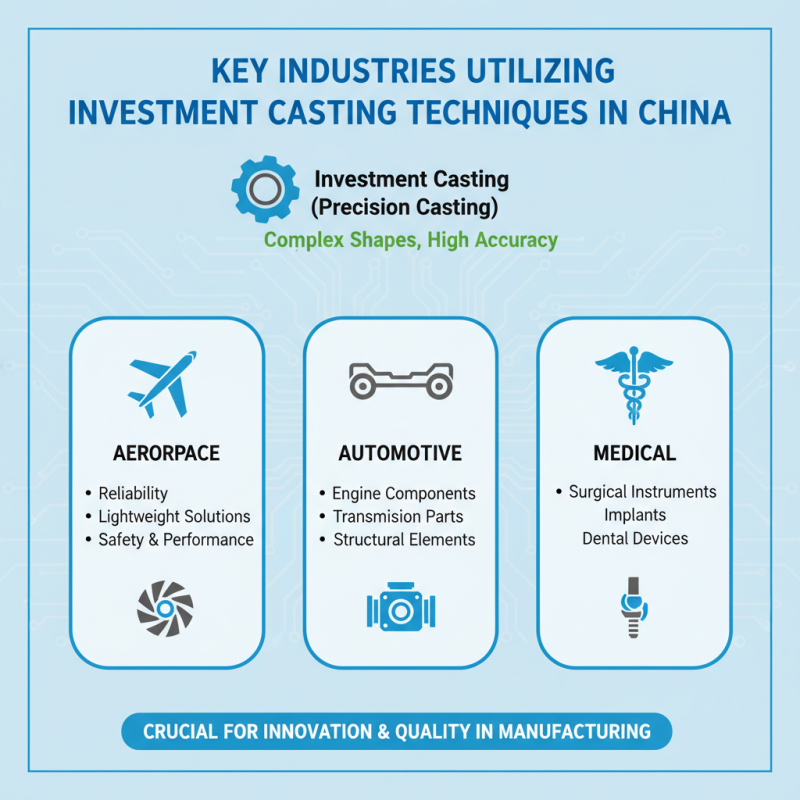
Key Industries Utilizing Investment Casting Techniques in China
Investment casting, also known as precision casting, plays a crucial role in various industries across China. This method is favored for its ability to produce complex shapes with high accuracy. Aerospace, automotive, and medical sectors heavily rely on these castings. Each industry benefits from the unique properties of investment casting. For example, aerospace parts require reliability and lightweight solutions. Investment casting provides these attributes, ensuring safety and performance.
In the automotive industry, components like engine blocks and transmission housings are produced using this technique. The method allows for reduced weight without compromising strength. Moreover, it enables the production of intricate designs that traditional casting cannot achieve. This flexibility attracts automotive manufacturers aiming for innovation.
The medical industry, too, leverages investment casting. Surgical instruments and implants require precision that this casting technique offers. Producing customized and complex medical devices is increasingly important. However, quality control remains a challenge in this industry. Companies must ensure every piece meets strict standards. Overall, investment casting drives advancements across multiple sectors in China, fostering growth and innovation.
Advantages of Sourcing Investment Casting Products from China
Sourcing investment casting products from China offers numerous advantages for global buyers. The country boasts a robust manufacturing infrastructure that facilitates high-volume production. This efficiency often leads to lower production costs without compromising quality. Many factories employ advanced technology and skilled labor, yielding precise and consistent casting results. As a result, global buyers can acquire components that meet strict specifications.
China's accessibility to diverse metal alloys enhances its appeal. Buyers can find a wide range of materials suitable for various applications. This variety allows companies to source products tailored to their specific needs, further streamlining their supply chain. However, navigating China’s vast market can be challenging. Language barriers and differing quality standards may pose potential risks. Establishing reliable communication and quality checks is crucial to mitigate these issues.
Moreover, the investment casting industry in China is continuously evolving. Some manufacturers may lack certifications or modern equipment, which can lead to inconsistencies. Buyers should perform thorough due diligence and establish partnerships with reputable suppliers. A flexible approach combined with a focus on quality assurance can unlock significant advantages in sourcing from China.
Top Investment Casting Products from China for Global Buyers
| Product Type |
Material |
Applications |
Advantages |
| Automotive Parts |
Aluminum |
Engine Components |
Lightweight, High Strength |
| Industrial Equipment |
Steel |
Machinery Parts |
Durability, Corrosion Resistance |
| Aerospace Components |
Titanium |
Aircraft Structures |
High Strength-to-Weight Ratio |
| Marine Parts |
Bronze |
Ship Components |
Resistance to Saltwater |
| Oil and Gas Equipment |
Carbon Steel |
Pipelines |
High Pressure Tolerance |
Popular Investment Casting Materials Used in Chinese Manufacturing
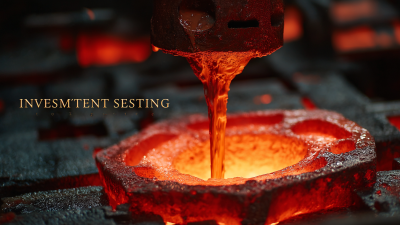
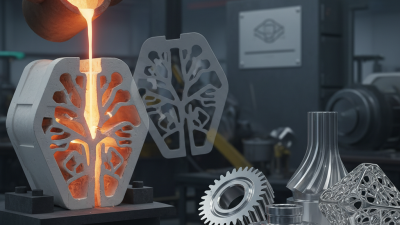
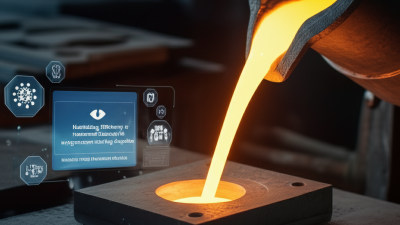
Investment casting is a process where molten metal is poured into a mold to create intricate shapes. In China, this technique has gained popularity due to its ability to produce complex components with high precision. Common materials used in Chinese investment casting include stainless steel, aluminum, and copper alloys.
Stainless steel remains a top choice for many manufacturers. According to market reports, it accounts for over 40% of the investment casting market share. This material's resistance to corrosion and durability makes it suitable for various applications, including automotive and aerospace industries. Aluminum is also favored for its lightweight properties and excellent thermal conductivity. Its usage in casting has increased by approximately 25% in recent years.
However, the production process is not without challenges. Quality control can be inconsistent, leading to defects. Moreover, fluctuations in material costs may impact overall pricing for buyers. These issues highlight the need for thorough supplier assessments before making purchasing decisions. Understanding the materials can help global buyers make informed choices in this competitive market.
Quality Control Practices for Investment Casting in Chinese Factories
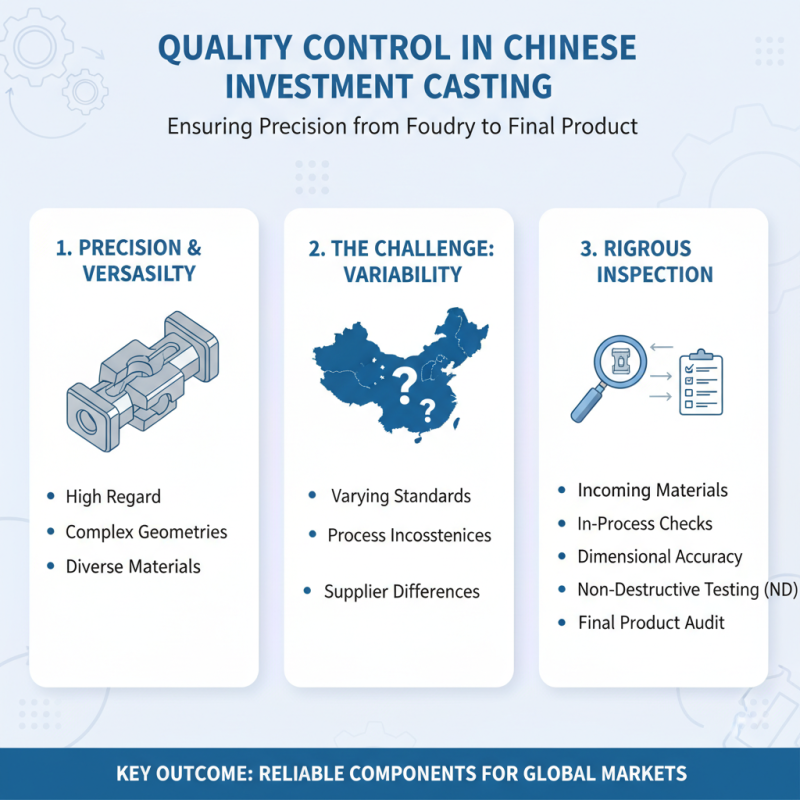
Investment casting is highly regarded for its precision and versatility. However, quality control is crucial in Chinese factories, where standards can vary. Many manufacturers implement rigorous inspection processes to ensure that each component meets specific criteria.
One common practice is a multi-step inspection system. Quality checks often start with raw materials. Factories must verify the chemical composition and physical properties of metals used. Non-destructive testing, like X-ray inspection, helps detect internal flaws. These measures prevent defects before the casting process begins.
Moreover, calibration of machinery is essential. Even a small error in machinery can lead to significant discrepancies in the final product. Communicating with suppliers about quality expectations is necessary. Unfortunately, not all factories follow standardized practices. Some lack the necessary expertise or equipment. This inconsistency can pose risks for global buyers. Engaging reputable suppliers who emphasize quality control can mitigate these problems.