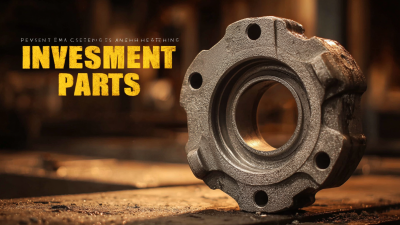
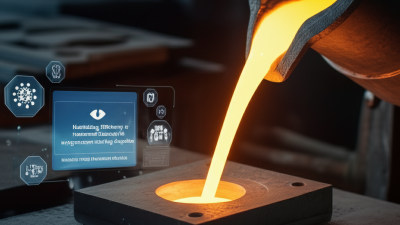
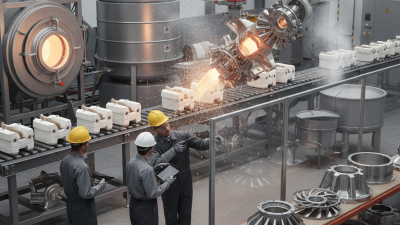
Why Choose the Best Investment Casting Supplies for Your Needs
Choosing the right Investment Casting Supplies is vital for achieving successful results in your projects. The quality of these supplies can significantly impact the final product, whether you’re creating intricate designs or larger components. Investing in superior materials and tools often leads to better performance and durability of castings.
Many manufacturers highlight the advantages of using top-tier Investment Casting Supplies. They focus on precision, strength, and reliability. However, it is essential to recognize that not all suppliers guarantee the same level of quality. Doing thorough research and consulting industry experts can help you make informed choices.
Consider your specific requirements before making a purchase. Are you specializing in small prototypes or large industrial components? Each application demands distinct supplies. Reflecting on these needs ensures you choose the best options for your success. Be mindful of the balance between cost and quality. Sometimes, cheaper supplies may lead to more significant issues down the line. Investing wisely can pay off in the long run, enhancing your overall project outcomes.
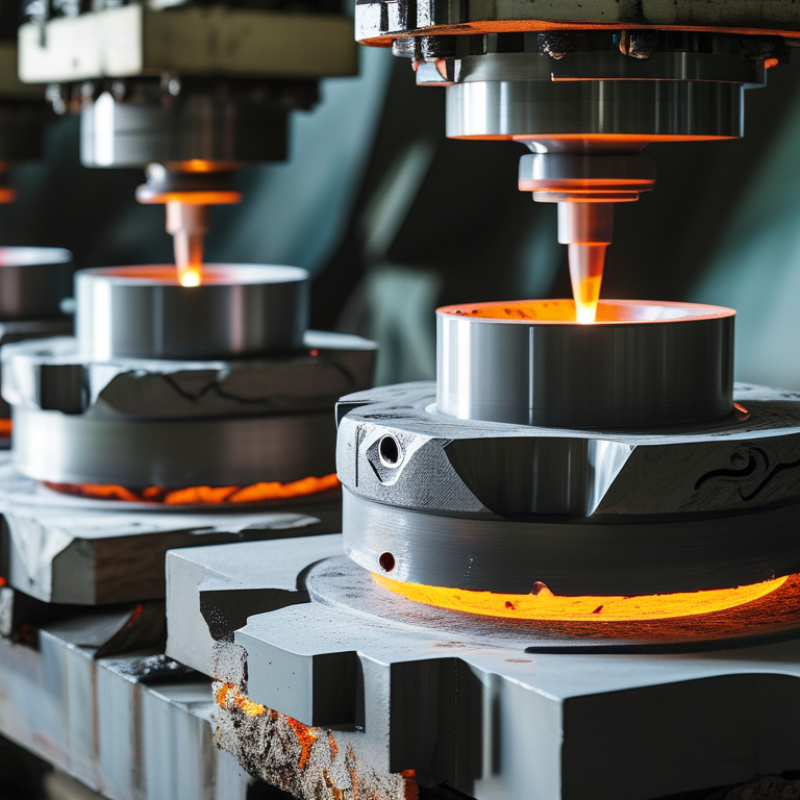
Importance of Quality in Investment Casting Supplies
When selecting investment casting supplies, quality cannot be compromised.
High-quality materials ensure precise and consistent results.
Poor quality can lead to defects, costing time and resources. A single flaw might render an entire batch unusable.
This is why understanding the importance of quality in your materials is crucial.
Tips for choosing quality casting supplies include assessing the supplier’s experience.
A well-established supplier often offers consistency in product quality. Customer reviews can provide insights into others' experiences.
Investigate the materials used in the casting process. Ensure they meet industry standards and regulations.
Consider the supplier's ability to provide technical support.
Being able to access expert advice can save you from costly mistakes.
Investing in superior supplies can sometimes appear more expensive initially. However, long-term savings often outweigh the upfront cost.
Quality materials reduce waste and improve production efficiency. Reflecting on past projects can help identify areas where quality impacted your results.
Focusing on materials now can enhance your future work significantly.
Key Materials Used in Investment Casting Processes
Investment casting is a fascinating process, known for its precision and ability to produce intricate shapes. The choice of materials plays a crucial role in the final outcome. Commonly used materials include high-quality alloys, ceramics, and specialized wax. These materials can greatly influence the performance and durability of the finished products.
Alloys like steel and aluminum are popular due to their strength and lightweight properties. According to a report from MarketsandMarkets, the global investment casting market is projected to reach $27 billion by 2026, driven in part by advancements in alloy formulations. However, sourcing these materials can be challenging, as inconsistencies in quality often arise.
Ceramics are essential for creating molds and cores. These materials provide superior heat resistance and fine detail. A study from the Journal of Materials Processing Technology highlights that the type of ceramic used can impact thermal stability during casting. Nonetheless, improper handling or application can lead to defects. Therefore, identifying the right balance of materials is vital to achieve optimal results in investment casting processes.
Evaluating Supplier Capabilities and Certifications
When selecting investment casting supplies, assessing supplier capabilities and certifications is crucial. A reliable supplier enhances product quality and reduces lead times. The industry emphasizes certifications, such as ISO 9001, which indicate a commitment to quality management. Companies with these certifications often report 25% fewer defects in casting processes.
A recent industry study reveals that 70% of manufacturers prioritize suppliers with proven expertise. Experience in specific industries is essential, especially in sectors like aerospace and automotive. These sectors demand high precision and strict adherence to regulations. Suppliers that participate in continuous training and development programs tend to have a competitive edge.
Moreover, evaluating past performance is key. Review case studies and customer feedback to gauge reliability. Some suppliers may appear impressive but lack real-world success. While certifications are important, they should not be the only consideration. Understanding a supplier’s approach to risk management can also highlight their capacity to meet unexpected challenges. This multi-faceted evaluation will lead to better decision-making in the selection process.
Evaluation of Investment Casting Supplier Capabilities
Cost-Effectiveness and Long-Term Benefits of High-Quality Supplies
When considering investment casting supplies, cost-effectiveness and long-term benefits emerge as key factors. High-quality materials may present a higher upfront cost, but they often save money over time. According to industry reports, using superior supplies can reduce defects by up to 30%. This decrease translates to fewer reworks and less material waste, ultimately lowering production costs.
Moreover, durability is a significant aspect of premium supplies. They are designed to withstand repeated use without compromising quality. Research indicates that high-quality casting materials can last 40% longer than their cheaper counterparts. This extended lifespan means less frequent replacements, leading to a more sustainable production routine. Investing in reliable materials not only improves product quality, but also enhances overall operational efficiency.
The benefits extend beyond mere numbers. Delivering high-quality castings builds client trust and loyalty. However, the pursuit of quality requires careful evaluation. Not every supplier guarantees excellence. Many customers have reported inconsistencies, leading to project delays. It’s vital for businesses to prioritize research and engage in discussions with experienced professionals to avoid common pitfalls.
Industry Trends Affecting Investment Casting Supply Choices
The investment casting industry is evolving rapidly, influenced by new technologies and market demands. According to a recent report by Market Research Future, the global investment casting market is expected to reach $30 billion by 2025. This growth highlights the importance of selecting the right supplies to meet both quality and cost expectations.
Emerging trends, such as the shift towards lightweight materials, are changing supply choices. Manufacturers are increasingly opting for advanced alloys to reduce product weight without compromising strength. This shift not only enhances product performance but also draws attention to the need for reliable suppliers who understand these changes. For example, more companies now seek to incorporate digital technologies in their supply chain management, as these can improve efficiency and reduce waste.
**Tip:** Always research suppliers' capabilities and product offerings. Understanding their material options ensures that your requirements are met, especially when adapting to industry trends.
However, not all suppliers will handle the transition smoothly. Some may struggle with integration and quality control, affecting your production timeline. Investing time to ask for detailed reports on a supplier’s processes can provide insights into their reliability.
**Tip:** Regularly review suppliers' performance. Keeping track of their advancements in technology can safeguard your manufacturing process against disruptions.
Why Choose the Best Investment Casting Supplies for Your Needs - Industry Trends Affecting Investment Casting Supply Choices
| Supply Type |
Material |
Applications |
Market Trend |
Key Consideration |
| Wax Patterns |
Ester Wax |
Aerospace, Automotive |
Increasing demand for lightweight components |
Precision and dimensional stability |
| Investment Molds |
Ceramic |
Medical Devices, Industrial Parts |
Growth in the healthcare sector |
Thermal shock resistance |
| Casting Alloys |
Aluminum, Stainless Steel |
Construction, Oil & Gas |
Sustainability and recyclability focus |
Corrosion resistance |
| Finishing Products |
Coatings, Polishes |
Consumer Goods, Defense |
Emerging technologies in surface treatment |
Durability and appearance |
| Inspection Equipment |
Ultrasonic, X-ray |
Quality Control across industries |
Increased emphasis on product safety |
Accuracy in defect detection |