2026 Top Casting With Copper Trends for Global Buyers?
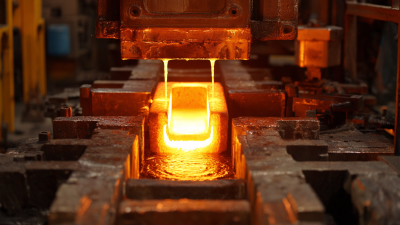
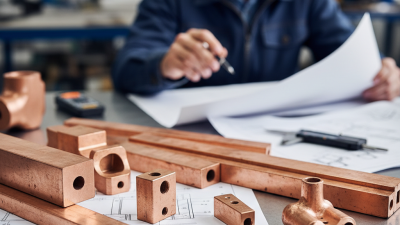
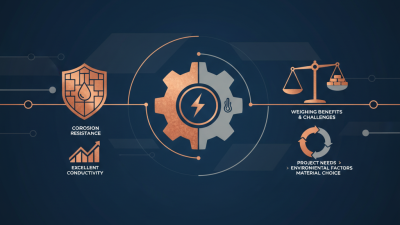
As we approach 2026, the industry of Casting With Copper is witnessing significant innovations. Buyers worldwide are eager to explore the latest trends. Copper-casting techniques are evolving, enhancing both aesthetics and functionality. This material is prized for its durability and excellent conductivity.
Recent developments have focused on sustainable practices. More manufacturers are adopting eco-friendly methods. Yet, challenges remain in sourcing materials responsibly. These concerns prompt buyers to reflect on their choices. High-quality casting requires a careful balance of craftsmanship and technology.
The global market is shifting towards customized solutions. Buyers now seek unique designs that reflect their brand identity. This desire for individuality can complicate production. However, it also opens new avenues for creativity. It is essential to stay informed about these trends to make sound purchasing decisions.
Overview of Copper Casting Trends for 2026
As we approach 2026, the copper casting industry is witnessing noteworthy trends that global buyers should be aware of. Recent data from industry reports indicate a projected growth rate of 4.5% for copper casting in the next few years. This is driven by the increasing demand for lightweight and durable materials across various sectors, including automotive and electronics.
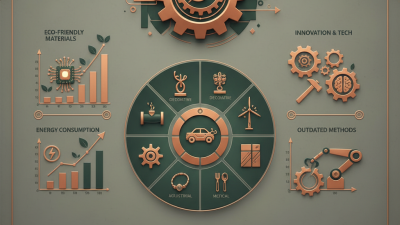
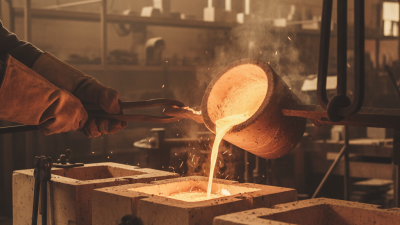
Sustainability remains a critical focus in copper casting. Many manufacturers are adopting eco-friendly practices to reduce waste and energy consumption. For instance, recycling rates of copper have reached approximately 80%, highlighting the industry's commitment to resource conservation. Additionally, advanced casting techniques like sand casting and lost-wax casting are becoming popular for their efficiency and precision. However, challenges exist, such as fluctuating raw material prices and the need for skilled labor.
Market trends suggest that buyers are increasingly prioritizing suppliers who demonstrate transparency and quality assurance. It's essential to address these evolving buyer expectations while managing the inherent uncertainties in sourcing. As the landscape develops, embracing innovation and sustainability will be key for those wishing to thrive in the copper casting market beyond 2026.
Key Innovations in Copper Casting Techniques
The landscape of copper casting is evolving rapidly. Recent innovations are reshaping how this essential material is utilized across various industries. Modern techniques now emphasize sustainability and efficiency. One example is the use of 3D printing to create molds. This reduces waste and speeds up the production process. Additionally, advancements in alloy formulations are enhancing the properties of cast copper, making it stronger and more resistant to corrosion.
Understanding these innovations is crucial for global buyers. Purchasing decisions increasingly hinge on the ability to source high-quality, sustainable materials. This focus will likely impact market trends and supplier relationships. Being informed about the latest casting techniques can lead to better investments.
Tips: Always research suppliers to ensure they adopt sustainable practices. Look for certifications that signal quality and responsibility. Engage with casting professionals to understand the nuances of new technologies. Embrace change, but remain cautious. Not every innovation will suit your production needs seamlessly. Aim for a balanced approach.
Market Demand and Supply Dynamics for Copper Products
The market for copper products is driven by various global dynamics. Demand is increasing across industries such as construction, electronics, and renewable energy. Many sectors rely on copper due to its excellent conductivity. The push for sustainability adds to its appeal as industries seek eco-friendly solutions.
Supply dynamics present challenges. Copper mining operations face environmental regulations. These regulations can slow down production. There’s also the issue of fluctuating prices. When prices rise, some buyers hesitate. Conversely, a drop in prices can lead to reduced investment in new mining projects.
It’s important to monitor these trends closely. Buyers must adapt to changing market conditions. Understanding supply chain logistics is crucial. The balance between supply and demand will influence product availability. This constant evolution demands flexibility from all stakeholders in the copper market.
2026 Top Casting With Copper Trends for Global Buyers
| Trend |
Market Demand (Metric Tons) |
Market Supply (Metric Tons) |
Market Price (USD per Ton) |
Growth Rate (%) |
| High Thermal Conductivity |
250,000 |
235,000 |
8,500 |
5.0 |
| Corrosion Resistance |
300,000 |
290,000 |
8,200 |
6.5 |
| Sustainability Focus |
180,000 |
175,000 |
9,000 |
7.2 |
| Electronics and Electrical Applications |
220,000 |
210,000 |
8,700 |
4.8 |
| Automation in Manufacturing |
190,000 |
185,000 |
8,900 |
5.6 |
Environmental Impact and Sustainability in Copper Casting
The environmental impact of copper casting is becoming increasingly significant for manufacturers and buyers alike. As the demand for sustainable practices grows, the copper industry faces pressure to minimize its ecological footprint. According to the International Copper Association, roughly 80% of global copper production comes from recycling. This statistic underscores the potential for reducing environmental harm through reused materials.
Sustainability in copper casting involves energy-efficient processes and reducing waste. New technologies are emerging that lower emissions during casting. For instance, studies show that adopting electric melting technologies can cut energy consumption by up to 40%. However, the industry grapples with challenges, such as the economic viability of these technologies and the initial investment required.
Waste management remains a critical issue. In some regions, improper disposal of copper waste contaminates local ecosystems. A report from the Copper Alliance indicates that while recycling rates are high, only about 30% of scrap copper is effectively processed. The gap highlights the need for improved practices in collection and processing. As global buyers seek more sustainable options, the copper casting sector must reflect on both progress and areas needing improvement.
2026 Top Casting With Copper Trends for Global Buyers
Future Applications of Copper in Various Industries
Copper is gaining prominence across multiple industries due to its unique properties. In construction, its thermal conductivity and resistance to corrosion make it a popular choice for plumbing and roofing materials. Architects often prefer copper accents, as they not only provide practicality but also aesthetic appeal. The process of patination, where copper develops a green hue over time, can enhance the visual character of buildings.
In the electronics industry, copper is a key component in wiring and circuitry. Its electrical conductivity outperforms many alternatives, enabling faster and more efficient devices. Emerging technologies, like electric vehicles, benefit rapidly from copper’s lightweight and conductive characteristics. However, mining and processing copper can have environmental impacts that require ongoing reflection and improvement.
The renewable energy sector is another area where copper is trending. It plays a crucial role in solar panels and wind turbines, key components in the transition to sustainable energy. As industries evolve, we must address not only the demand for copper but also the methods of extraction and recycling. The journey towards a sustainable future involves balancing copper's utility with environmental stewardship.