Top 10 Benefits of Casting With Copper for Global Buyers?
In today's manufacturing landscape, "Casting With Copper" stands out for numerous compelling reasons. This ancient technique, renowned for its versatility, has evolved and remains a staple for industries worldwide. A notable advantage of casting with copper is its recyclability. As global awareness of sustainability grows, copper's ability to be reused becomes increasingly valuable.
Moreover, copper offers excellent thermal and electrical conductivity. This property makes it essential for electronics and power generation. However, the process isn't without challenges. Effective temperature control during casting is crucial to avoid defects. Such complexities highlight the need for experienced professionals in the field.
Ultimately, the benefits of casting with copper extend beyond mere functionality. They touch on sustainability, efficiency, and the potential for innovation. Global buyers seeking to invest in this metal should consider these impactful advantages. As the industry evolves, continuous reflection and adaptation are necessary to maximize the potential of this timeless material.
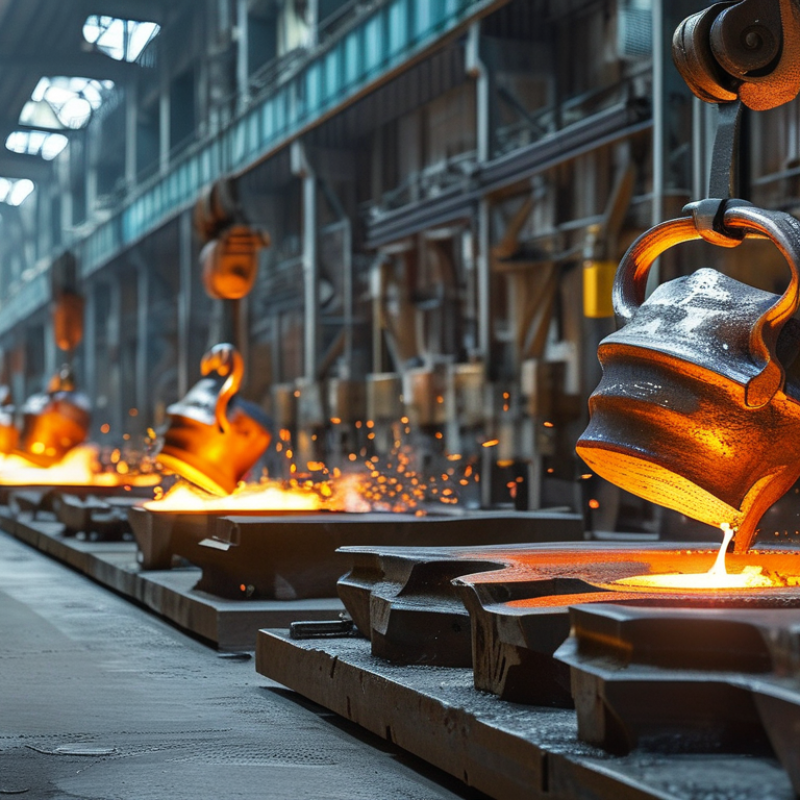
Benefits of Enhanced Durability in Copper Casting for Global Buyers
Copper casting provides significant benefits, particularly in terms of enhanced durability. This metal exhibits superior strength, outperforming many alternatives. The unique properties of copper allow it to withstand extreme conditions, making it ideal for various applications. It resists corrosion, ensuring long-lasting performance in harsh environments. Buyers often seek materials that promise longevity, and copper meets this need effectively.
Furthermore, the durability of copper casting translates to reduced maintenance costs. Products made from copper require less frequent replacements. This saves both time and resources for manufacturers and consumers alike. However, one must consider the initial investment, as copper can be more expensive than other materials. The long-term benefits typically outweigh these upfront costs.
The ability to maintain structural integrity under stress is critical. Copper's natural resilience means it can endure heavy loads without fail. Yet, some may overlook potential drawbacks. For example, improper handling can lead to damage during the casting process. Awareness of these factors is essential for consumers aiming for high-quality outcomes. Investing in copper casting is not solely about immediate benefits but also about considering future implications.
Cost-Effectiveness of Copper Casting Compared to Other Metals
Copper casting continues to gain momentum among global buyers due to its cost-effectiveness. While copper may seem expensive upfront, its durability and longevity prove it to be a wise investment. Compared to metals like aluminum or steel, copper casting requires less maintenance. This reduces long-term costs in both industrial and residential applications.
Moreover, the production process of copper casting offers energy efficiency. The melting point of copper is relatively lower, which saves on energy costs during manufacturing. This creates an appealing business case for manufacturers. As global demand for eco-friendly solutions grows, copper's recyclability becomes an additional selling point.
However, there are challenges. One limitation of copper is its susceptibility to corrosion if not properly alloyed or coated. Buyers must consider the right alloy compositions to mitigate this risk. This adds complexity to the purchasing decision and requires thorough research. In the end, understanding these nuances can lead to better choices in materials and designs.
Top 10 Benefits of Casting With Copper for Global Buyers
| Benefit |
Description |
Cost-Effectiveness (1-10) |
| Durability |
Copper castings are highly durable and resistant to wear and corrosion, extending product life. |
8 |
| Excellent Conductivity |
Copper offers superior electrical and thermal conductivity, beneficial for various applications. |
9 |
| Ease of Formation |
Copper can be easily formed and cast into complex shapes, reducing manufacturing costs. |
7 |
| Aesthetic Appeal |
Copper has a distinctive color and finish, adding value in decorative and artistic applications. |
6 |
| Antimicrobial Properties |
Copper has natural antimicrobial properties, making it ideal for plumbing and sanitation applications. |
10 |
| Recyclability |
Copper is 100% recyclable without loss of quality, reducing environmental impact and costs. |
9 |
| Thermal Expansion |
Copper has a known expansion rate, making it predictable and reducing risk in applications. |
7 |
| Cost Efficiency |
The costs of copper casting can be lower compared to other metals, especially in high-volume production. |
8 |
| Versatility |
Copper is suitable for a wide range of applications from electrical to artistic purposes, enhancing marketability. |
9 |
| Speed of Production |
Copper casting techniques lead to faster production cycles, allowing for quicker turnaround times. |
8 |
Versatility of Copper Castings Across Diverse Industries
Copper castings serve various sectors with remarkable versatility. Industries like automotive, aerospace, and electronics benefit greatly. The malleability of copper allows for intricate designs and precise parts, which are crucial for high-performance applications. In the electrical sector, copper castings are favored due to their excellent conductivity. They ensure optimal performance in wiring and connections.
Medical devices also utilize copper castings. Their antimicrobial properties contribute to the safety of surgical tools and implants. However, there is a growing concern about the sustainability of using copper. The mining and refining processes can be harmful to the environment. Hence, industries are exploring more eco-friendly alternatives to adhere to green principles.
Despite these challenges, copper remains a popular choice. Its durability and aesthetic appeal make it ideal for decorative applications as well. Antique finishes and vibrant hues found in home décor manifest the continued demand for copper castings. As industries evolve, they must balance performance, cost, and environmental impact when choosing materials.
Top 10 Benefits of Casting With Copper for Global Buyers
Eco-Friendly Aspects of Utilizing Copper in Casting Processes
Copper is gaining traction as an eco-friendly material in casting processes. Its unique properties allow for energy-efficient production. According to a recent industry report, using copper can reduce energy consumption by up to 40% compared to traditional materials. This reduction leads to lower carbon emissions, benefiting both manufacturers and the environment.
Additionally, copper is 100% recyclable without any loss in quality. This characteristic greatly contributes to sustainability efforts. The International Copper Association notes that recycling copper saves approximately 85% of the energy needed to mine virgin copper. Such statistics highlight the significant environmental benefits of using copper in casting.
However, the shift towards copper is not without its challenges. The initial costs of copper can be higher than those of alternative materials. Companies need to weigh these factors seriously when considering copper for casting. Balancing eco-friendliness with economic viability remains a crucial aspect of the decision-making process. While the potential environmental benefits are clear, ongoing contemplation about costs and supply chain implications must be part of the conversation.
Improved Thermal and Electrical Conductivity in Copper Products
Copper products offer remarkable thermal and electrical conductivity, making them essential in various applications. This property allows copper to efficiently transfer heat and electricity, which is crucial for industries like electronics and energy. When using copper castings, manufacturers benefit from reduced energy loss and enhanced performance.
Working with copper can also be a learning experience. Not all copper alloys exhibit the same conductivity. Understanding the specific grades and their properties is vital. Buyers should research the technical specifications before making decisions. This knowledge can lead to better choices in production processes.
It's vital to consider the environmental impact of copper sourcing. Responsible mining practices are crucial for sustainability. Engaging with suppliers who prioritize ethical sourcing can lead to more mindful purchasing. A thorough evaluation of supplier credentials can enhance product reliability.