Top 10 Investment Casting Services for Global Buyers
In the world of manufacturing, the significance of Investment Casting Services cannot be overstated. These services play a crucial role in creating precise metal components. As noted by John Smith, a leading expert in metal fabrication, "Investment casting is not just a process; it's an art that requires precision and expertise." His insight highlights the specialized skills needed in this field.
Investment casting offers several advantages, including the ability to create intricate shapes with a smooth finish. However, the choice of service providers can be daunting for global buyers. Many companies promise high-quality results, yet not all meet the industry's standards. Evaluating reliability and experience is essential for ensuring successful outcomes.
In an ever-evolving landscape, finding trustworthy Investment Casting Services is challenging. Buyers must consider factors like material selection, production capabilities, and turnaround time. A focus on these elements leads to informed decisions and better partnerships in the long run. As experts remind us, there is always room for improvement in sourcing and operational efficiency in this competitive field.
Overview of Investment Casting and Its Applications
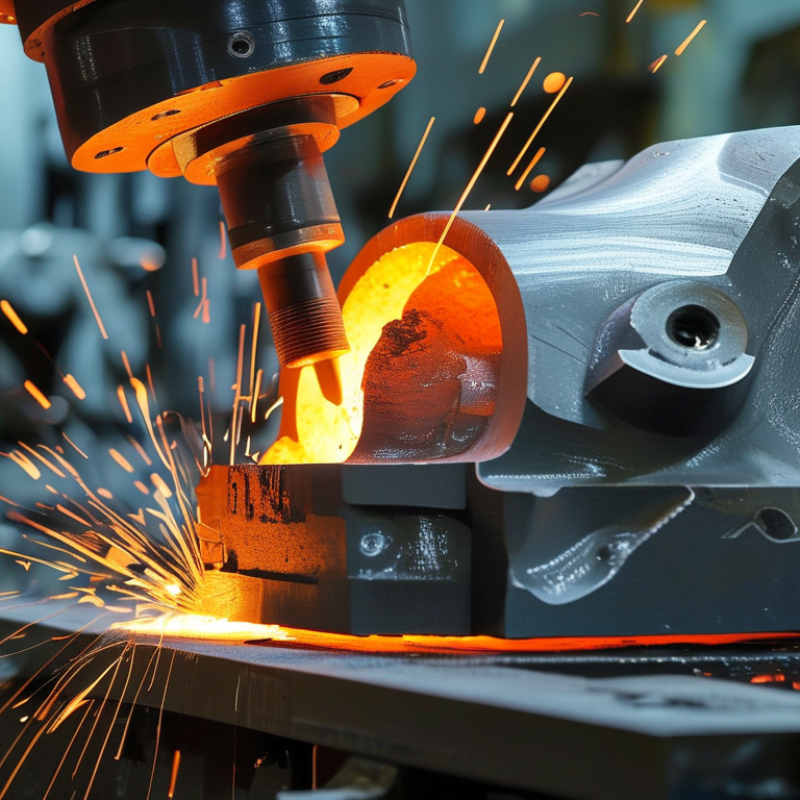
Investment casting is a highly versatile manufacturing process. It allows for the production of complex metal parts with high precision. Various industries like aerospace, automotive, and medical rely on this method. The process begins with creating a wax pattern, which is then coated with a ceramic shell. Once the shell hardens, heat removes the wax, creating a mold for metal pouring. This intricate method yields remarkable detail and excellent surface finish.
Applying investment casting has numerous advantages. Components can be produced in various shapes and sizes. This method reduces material waste significantly. Many buyers seek investment casting for low to medium volume production due to its efficient use of resources. However, it is essential to note that the initial cost of creating patterns can be high. Buyers should carefully assess their project requirements to determine if the investment is justified.
Nevertheless, challenges exist within the investment casting realm. Variability in material properties can affect final product quality. Consistency must be maintained throughout the casting process. It’s crucial for buyers to work closely with experienced providers. This collaboration ensures that technical specifications are met and end products perform as intended. A thoughtful approach can yield significant benefits in terms of durability and performance.
Top 10 Investment Casting Services for Global Buyers
| Company Location |
Year Established |
Annual Revenue (USD) |
Key Industries Served |
Specialty Products |
| North America |
1995 |
5,000,000 |
Aerospace, Medical, Automotive |
Precision turbine components |
| Europe |
1980 |
8,000,000 |
Energy, Defense, Consumer Products |
Valves and fittings |
| Asia |
2000 |
3,000,000 |
Electronics, Heavy Machinery |
Complex mechanical parts |
| Australia |
1990 |
2,500,000 |
Mining, Agriculture |
Heavy-duty machinery parts |
| North America |
2010 |
6,000,000 |
Automotive, Aerospace |
Lightweight structures |
| Europe |
2005 |
7,500,000 |
Medical Devices, Electronics |
Custom cast components |
| Asia |
2015 |
4,000,000 |
Telecommunications, Automotive |
High-precision parts |
| Australia |
2002 |
1,800,000 |
Agriculture, Infrastructure |
Agricultural machinery parts |
| North America |
2018 |
9,000,000 |
Energy, Aerospace |
High-temperature alloys |
| Europe |
2011 |
11,000,000 |
Defense, Aerospace |
Complex military components |
Criteria for Selecting Top Investment Casting Services
Selecting the right investment casting service is crucial for global buyers. A robust investment casting supplier can enhance product quality and reduce lead times. Data from the latest industry reports indicate that the global investment casting market was valued at approximately $16.3 billion in 2022, with steady growth expected through 2030. Buyers must prioritize suppliers with solid expertise and a proven track record in the field.
Key criteria include production capabilities, material selection, and technological advancements. It's essential to evaluate a supplier's ability to handle diverse materials like stainless steel and aluminum alloys. Buyers should also consider the supplier's investment in technology. Companies with advanced 3D modeling and simulation tools often achieve higher precision. According to industry data, firms using modern techniques report a 30% reduction in production lead times compared to traditional methods.
Additionally, reliability plays a vital role. Checking customer reviews and past project success can provide insights into a supplier's performance. It’s also important to assess their responsiveness and customer service. However, many buyers fail to conduct thorough investigations, which can lead to poor choices. Making informed, diligent decisions can pave the way for successful partnerships in investment casting.
Global Market Leaders in Investment Casting Services
Investment casting plays a crucial role in various industries, including aerospace, automotive, and medical devices. In 2022, the global investment casting market was valued at approximately $15 billion. Industry trends indicate a steady growth rate of about 5% annually until 2030. This growth underscores the significance of investment casting services in producing complex geometries that meet high tolerances.
Experts highlight that the demand for precision-engineered components is rising steadily. The aerospace sector, in particular, is experiencing a surge in need for lightweight and durable materials. While many suppliers offer investment casting services, not all can meet the stringent quality standards that aerospace components require. Quality assurance remains a key concern; defects in casting can lead to severe consequences.
Additionally, challenges persist in sourcing raw materials and managing costs. For instance, the fluctuating prices of alloys and metals can impact profit margins. Companies must adopt advanced technologies, such as 3D printing, to remain competitive. Though many services showcase innovative casting techniques, the path to achieving excellence is filled with hurdles that require continuous improvement and adaptation.
Innovative Technologies in Investment Casting Industry
The investment casting industry is experiencing a technological renaissance. Recent reports show that the global market for investment casting is expected to grow at a CAGR of 5.6% from 2021 to 2028. This growth is largely driven by advancements in materials and processes.
Additive manufacturing is revolutionizing the way molds are created. Traditional methods can take days, but 3D printing can reduce this time to hours. This not only speeds up production but also allows for complex designs that were previously impossible. By incorporating simulation software, manufacturers can now predict potential issues early in the design phase, saving time and resources.
Sustainability is another area where innovation is crucial. Eco-friendly materials are becoming more common in investment casting. A study found that manufacturers using recycled metals can reduce energy consumption by up to 30%. However, transitioning to these sustainable practices isn't without challenges. The need for rigorous testing and quality assurance remains high, as not all recycled materials meet stringent industry standards.
Future Trends and Developments in Investment Casting Services
Investment casting is evolving rapidly. A recent report from Grand View Research predicts that the global investment casting market will reach $28.84 billion by 2027, growing at a CAGR of 5.8%. This growth is driven by advancements in technology and increased demand from industries like aerospace and automotive. As players in the casting industry adapt, ensuring precision and cost-effectiveness becomes crucial in meeting market demands.
Emerging trends show a shift toward automation in casting processes. Companies are increasingly utilizing artificial intelligence and machine learning to improve quality control. These technologies not only enhance production efficiency but also reduce waste. Sustainable practices are becoming a priority. A survey by Research and Markets indicates that over 60% of industry leaders are investing in green technologies. However, the transition to sustainable practices is challenging and requires ongoing investment.
Tips: Always stay updated on industry innovations. Engage with expert networks to share insights. Consider the environmental impact of your investments. The landscape of investment casting is changing. Understanding these trends will help buyers make informed decisions.