China Top 10 Stainless Steel Investment Casting Suppliers
China has become a major manufacturing base for precision metal components. Its stainless steel foundries serve machinery, pumps, valves, food processing, marine equipment, and energy projects worldwide. This article examines China’s top 10 Stainless Steel Investment Casting suppliers through practical purchasing criteria, not promotional claims.
The International Stainless Steel Forum reported approximately 58.4 million tonnes of global stainless crude steel production in 2023. That scale supports a broad domestic supply chain, from wax tooling and shell making to heat treatment, machining, and inspection. Meanwhile, industry research from Grand View Research identifies investment casting as a steadily expanding precision manufacturing segment. Market estimates differ between reports, so readers should treat forecasts as directional rather than absolute.
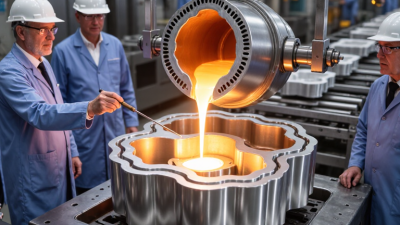
A reliable supplier must show more than attractive sample photographs. Relevant evidence includes ISO 9001 certification, material traceability, dimensional reports, chemical analysis, radiographic testing, and repeatable delivery records. For demanding applications, buyers should also review ASTM, EN, or customer-specific requirements. A good factory can explain its process beside a real casting line, where ceramic shells, furnace temperatures, and inspection points are visible.
This list compares supplier experience, alloy capability, production scale, export performance, engineering support, and quality control. It also considers whether a supplier can handle small prototypes and stable batch production. No ranking is permanently correct. Supplier capacities change, public information can be incomplete, and some impressive claims require verification. That weakness matters. Independent audits, current samples, and technical discussions remain essential before any purchase decision.
How Stainless Steel Investment Casting Works: Wax, Shell, Pouring, and Finishing
Stainless steel investment casting begins with a precise wax pattern. Wax is temporary. The pattern reproduces holes, ribs, and fine lettering before the metal exists. Technicians assemble patterns onto a tree, then dip them into ceramic slurry. Each dip adds a controlled layer of refractory material. Sand stucco strengthens the wet shell. Drying conditions matter more than many buyers expect.
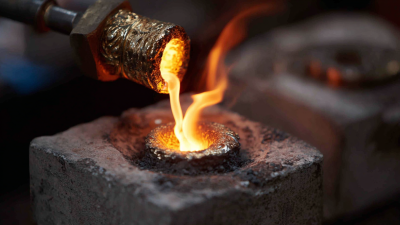
The finished shell enters a burnout furnace, where heat removes wax and hardens the ceramic. Molten stainless steel then fills the heated cavity under carefully controlled temperature and pouring speed. A 2024 Grand View Research report estimated the global investment casting market at approximately USD 16 billion in 2023. Its findings also identified aerospace applications as a major demand segment, where traceability and internal quality checks remain critical. Radiography, dye penetrant testing, dimensional inspection, and chemical analysis can expose hidden defects.
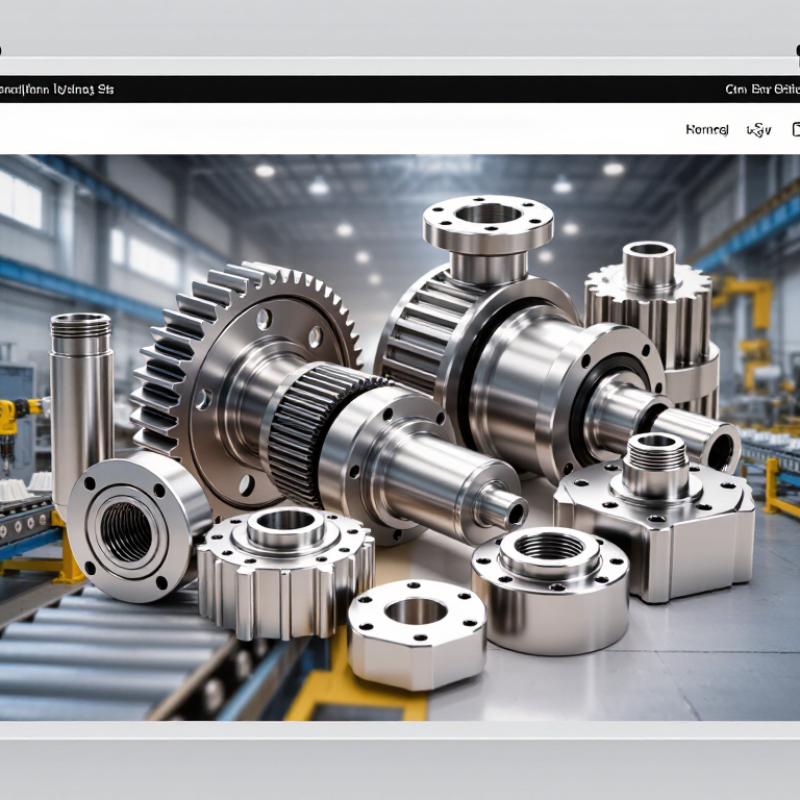
After cooling, workers break away the shell and cut each casting from the tree. Grinding removes gates, while blasting or polishing improves the surface. Investment Casting Institute technical guidance commonly associates the process with dimensional accuracy near 0.1% of the feature size, although alloy, geometry, and tooling can change the result. That figure is not a promise. Warpage, shrinkage, shell cracks, and incomplete filling still occur when process controls drift. A capable supplier should show inspection records, heat numbers, and corrective-action evidence rather than relying on polished samples.
China’s Top 10 Suppliers: Capabilities, Industries, and Production Scale
China Top 10 Stainless Steel Investment Casting Suppliers
China’s top ten stainless steel investment casting suppliers differ in capability, industry focus, and production scale. The International Stainless Steel Forum reported global stainless crude steel production of about 58.4 million tonnes in 2023. China contributed over half of this volume, supporting a deep local supply chain. Leading foundries typically offer wax pattern production, ceramic shell building, vacuum or air melting, heat treatment, and CNC finishing. Their customers often serve pumps, valves, food equipment, marine systems, medical devices, and industrial automation. Some factories handle prototypes in weeks, while larger plants manage repeated orders with automated wax injection and multiple melting furnaces.
Production scale needs careful checking. A large workshop does not guarantee stable casting quality. Buyers should review monthly pour records, maximum part dimensions, alloy grades, machining capacity, and defect rates. ISO 9001 certification helps, but it cannot replace process evidence. The China Foundry Association has repeatedly emphasized digital inspection and process control as major development priorities. Still, supplier rankings can mislead when published capacity exceeds practical output. That gap deserves attention.
Tips:
Request a recent sample inspection report. Check dimensional results, radiography records, and material certificates. Ask how scrap is separated and traced. For critical parts, approve a pilot batch before annual volume orders. A clear drawing is useful, but a shared inspection standard is better.
How to Rank Suppliers by ISO 9001, CT4–CT7 Tolerance, and Ra 3.2–6.3 μm
China Top 10 Stainless Steel Investment Casting Suppliers
Ranking China’s top stainless steel investment casting suppliers requires more than checking production capacity. ISO 9001 is an essential starting point, but buyers should verify its certificate scope, validity, and quality records. A supplier producing valve bodies may not control medical or food-grade components equally well. Ask for recent inspection reports, calibration records, and corrective-action examples.
Tolerance deserves closer attention. CT4 to CT7 grades indicate different casting precision, with CT4 generally requiring tighter control than CT7. Confirm the standard used, drawing requirements, and inspection method. A supplier should explain how wax injection, shell thickness, alloy shrinkage, and heat treatment affect dimensions. Request sample data from similar parts, not generic brochures. Surface roughness also matters. Ra 3.2–6.3 μm may require controlled finishing, machining, or both. Check measured values at defined locations.
Tips:
Compare at least three sample reports. Review actual CMM data, not promises. Ask whether Ra readings use a calibrated tester. Visit the inspection area when possible. A polished certificate alone proves little. No ranking is perfect. Material grade, geometry, and annual volume can change the result. My practical preference is to score suppliers by repeatability, traceability, and honest limitation reporting, then verify the shortlist with a small production trial.
How to Verify Quality with ASTM A351, ISO 8062-3, NDT, and Traceability
China Top 10 Stainless Steel Investment Casting Suppliers
When evaluating stainless steel investment casting suppliers in China, certificates are only the starting point. ASTM A351 helps confirm suitable grades for pressure-containing castings, but the purchase specification must match the application. Check the heat number, chemical analysis, tensile results, and heat-treatment records. ISO 8062-3 defines casting tolerances and machining allowances. Ask for actual dimensional reports, not only a standard reference. A supplier may meet the material grade while missing critical wall thickness or surface requirements.
Tips: Request one complete sample dossier before placing a large order. It should include the inspection plan, material certificate, dimensional report, and traceability map. Confirm that the heat number follows the part from melting through packing. NDT should match the risk. Liquid penetrant testing can reveal surface cracks, while radiographic or ultrasonic testing may examine internal defects. Records should identify the operator, equipment, acceptance criteria, and inspection date.
Do not rely on attractive photographs. They prove little. Compare drawings with measured parts and review calibration certificates. During audits, verify that rejected castings are segregated and recorded. Traceability is sometimes incomplete at subcontracted heat-treatment or machining stages. That weakness deserves attention. A supplier may provide excellent reports but still show inconsistent process control. Recheck critical dimensions on several pieces, especially thin sections, threaded areas, and sealing faces. Ask uncomfortable questions. Reliable evidence is usually more valuable than confident promises.