Essential Tips for Stainless Investment Casting Success?
The world of Stainless Investment Casting continues to evolve, reflecting the demands of modern manufacturing. Experts like Dr. Sarah Mitchell, a leading authority in casting technologies, emphasize the importance of precision in this field. She once stated, “Success in stainless investment casting hinges on attention to detail.”
In this intricate process, each step carries significant weight. From choosing the right stainless steel alloy to fine-tuning temperature settings, every decision impacts the final outcome. A small error in mold design can lead to flaws in the finished product, compromising both quality and reliability.
Despite advancements, challenges remain. Many industries still struggle with variations in casting results. It’s vital for manufacturers to reflect on past failures. Learning from mistakes is as important as celebrating successes. As we dive deeper into essential tips for achieving success in Stainless Investment Casting, embracing both the triumphs and trials will pave the way forward.
Understanding Stainless Investment Casting Processes
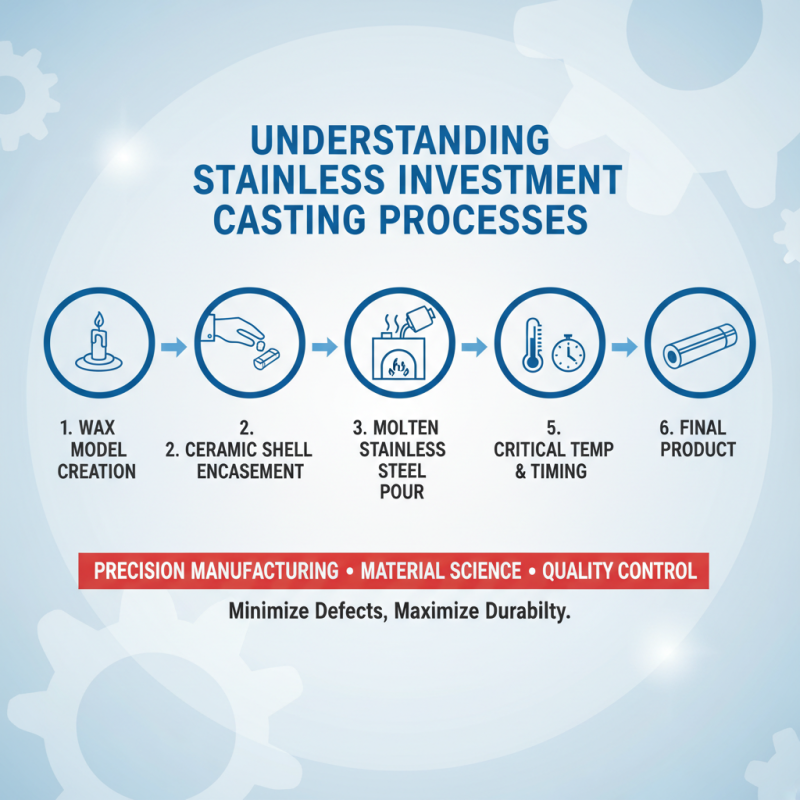
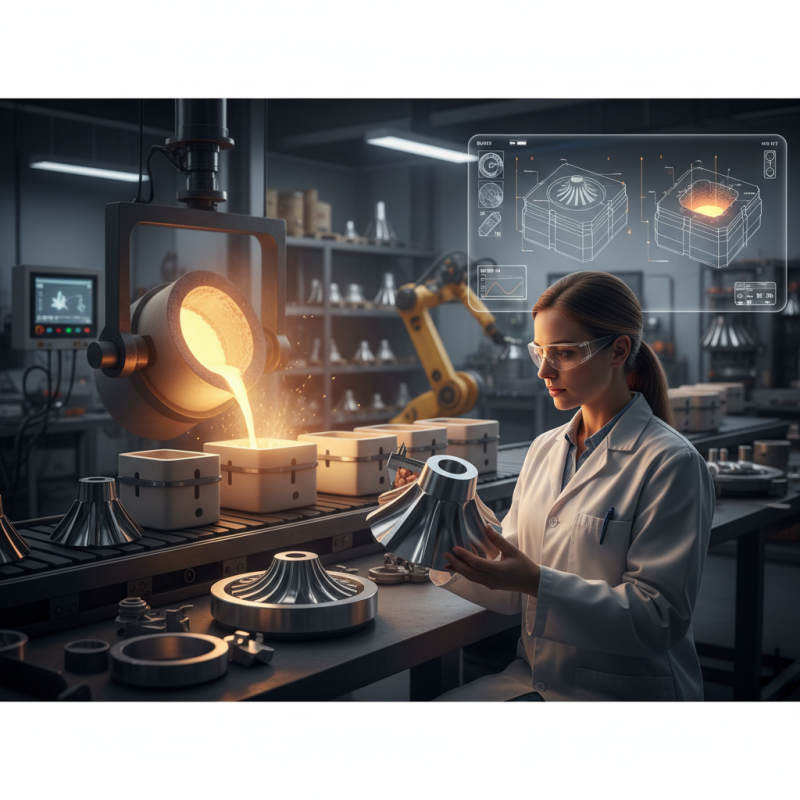
Stainless investment casting is a precise manufacturing process that requires a deep understanding of material properties and techniques. The method involves creating a detailed wax model, which is then encased in a ceramic shell. Once the shell hardens, the wax is melted away. This leaves a cavity to pour molten stainless steel. The temperature and timing during this process are critical. Any misstep can lead to defects in the final product.
Detailing the casting process reveals its intricacies. Controlling the cooling rate affects the microstructure of the stainless steel. Variations can lead to different mechanical properties. Additionally, surface finish is crucial. A rough finish can compromise functionality in many applications. Skilled technicians must ensure that every step is followed meticulously. Still, challenges arise, as not all castings meet the required standards on the first attempt. Continuous improvement and reflection on these issues are vital for success.
Understanding these processes is essential for manufacturers aiming for high-quality outputs. Investing in employee training can enhance overall efficiency. Vendors and clients should collaborate closely during the design phase. This ensures that the castings meet specific requirements while minimizing the potential for errors. Engaging in open dialogue can lead to better results and innovation.
Materials Selection for Optimal Stainless Investment Casting
When it comes to stainless investment casting, material selection plays a critical role in determining the final product quality. The first step is understanding the specific grade of stainless steel suitable for your application. Different grades offer varying levels of corrosion resistance, strength, and heat resistance. For example, 316 stainless steel is excellent for marine environments due to its enhanced corrosion resistance. However, if cost is a primary concern, 304 may be a more economical choice.
Another factor to consider is the role of impurities in the metal. Even small amounts of certain elements can affect performance. A thorough metallurgical analysis can help ensure that the selected material meets the requirements. Improperly chosen materials might lead to premature failure, adding unexpected costs. It’s important to engage with professionals who can guide you through this complex selection process.
Moreover, remember that the choice of the casting process also influences material performance. Some designs may require adjustments in the alloy composition to maintain integrity during casting. Evaluating feed systems and pouring techniques can lead to better results. Attention to these details can minimize defects and improve overall casting quality, even if challenges arise.
Design Considerations to Enhance Casting Quality
When designing for stainless investment casting, attention to detail is vital. The American Foundry Society reports that about 20% of castings fail due to design flaws. To enhance casting quality, consider features like wall thickness and draft angles. Optimizing these aspects can significantly reduce defects.
Selecting the right alloy is also crucial. The properties of stainless steel can vary greatly. For instance, austenitic stainless steels provide excellent corrosion resistance but may pose challenges in machining. Designers must be aware of how these factors influence the overall performance of the final product. An informed choice can prevent costly rework.
Regular feedback from the production team can unveil issues that might not be evident during the design phase. A key insight from industry surveys indicates that about 30% of castings require modifications post-production. By implementing iterative design processes, teams can reduce this rate. Continuous optimization based on detailed evaluations can lead to improved outcomes.
Post-Casting Finishing Techniques for Stainless Parts
Post-casting finishing techniques are crucial in stainless investment casting. The surface quality of stainless parts can significantly affect their performance and lifespan. According to industry studies, nearly 70% of defects arise from inadequate post-casting processes. Therefore, investing in effective finishing techniques is essential for achieving excellent results.
Common methods include grinding, polishing, and passivation. Grinding removes any irregularities and prepares the surface for further treatment. Polishing enhances the aesthetic quality and ensures a smoother finish. However, over-polishing can lead to material removal issues, affecting part dimensions. Passivation, often overlooked, helps improve corrosion resistance. However, improper application can result in poor outcomes, making it vital to follow recommended procedures.
Reliable results depend on understanding each technique’s impact. Regular quality assessments during finishing processes can identify potential flaws. Data indicates that streamlined post-casting operations can reduce defects by 30%. Implementing quality checks also builds confidence in the final product's reliability and performance in demanding environments. Balancing efficiency and thoroughness is key to achieving superior stainless parts.
Quality Control Measures during Stainless Investment Casting
Quality control is crucial in stainless investment casting. It starts with selecting high-grade raw materials. Poor material choice can lead to defects. Therefore, sourcing reliable suppliers is essential. Inspecting the materials upon receipt helps eliminate potential issues.
During casting, monitoring the temperature is vital. If the metal cools too quickly, it can result in cracks. On the other hand, overheating may cause unwanted oxidation. Consistent temperature checks ensure that the process remains within the desired range.
Post-casting inspections are equally important. Visual inspections help identify surface imperfections. Non-destructive testing methods like ultrasonic or X-ray examinations reveal internal flaws. Implementing these measures can enhance product durability and performance. Yet, it’s also wise to review the processes regularly. Continuous improvement is key to maintaining high standards in stainless investment casting. Having a thorough feedback system allows teams to address any recurring issues.
Essential Tips for Stainless Investment Casting Success - Quality Control Measures during Stainless Investment Casting
| Quality Control Measure |
Description |
Frequency |
Responsible Party |
Notes |
| Incoming Material Inspection |
Verify the quality of raw materials for casting |
Every batch |
Quality Control Team |
Check for material certifications |
| Mold Inspection |
Inspect molds for defects before use |
Before each production run |
Production Supervisor |
Repair or replace damaged molds |
| Casting Quality Inspection |
Check for surface defects, dimensions, and tolerances |
Each cast |
Quality Control Team |
Document findings and actions taken |
| Heat Treatment Verification |
Confirm that products meet heat treatment specifications |
Weekly |
Process Engineer |
Ensure correct temperature and time |
| Final Product Inspection |
Final check before shipment |
Before every shipment |
Quality Control Team |
Confirm compliance with customer specifications |