Top 5 Tips for Investing in Silica Sol Investment Casting?
Investing in Silica Sol Investment Casting presents unique opportunities and challenges. Experts like Dr. Emily Roberts, a leading figure in the casting industry, emphasize the importance of understanding market dynamics. She once said, "Investors must realize that thorough research is essential for success in Silica Sol Investment Casting."
The process of Silica Sol Investment Casting allows for precision and detail. However, it also requires a keen awareness of production techniques and material sourcing. The market can be volatile, raising questions on how to navigate investments wisely. Many newcomers overlook the significance of supplier reliability, which can lead to setbacks.
Without a sound strategy, risks multiply. Investors should reflect on past decisions and be willing to learn from mistakes. Understanding trends in Silica Sol Investment Casting will better equip investors for future growth.
Understanding Silica Sol Investment Casting Process
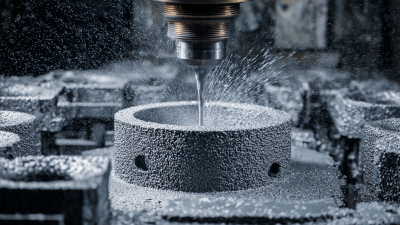
Silica sol investment casting is a precision process. It allows for the creation of complex metal parts. This method uses fine silica particles in a water-based solution. The first step involves crafting a pattern. This pattern is often made of metal or another durable material.
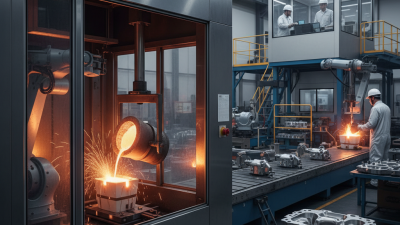
Once the pattern is ready, it's coated with silica sol. This coating forms a shell around the pattern. After drying, the shell is heated. This step hardens the shell, preparing it for the casting process. Molten metal is then poured into the shell. This creates a detailed final product.
However, precision is key here. Any imperfections in the pattern can lead to flaws in the final part. Managing temperatures is also crucial. If the shell is too hot, it can crack. If too cool, it may not capture details. This balance requires careful observation and adjustments. Each step in the process offers lessons for improvement.
Evaluating the Market Demand for Silica Sol Products
When evaluating the market demand for silica sol products, several factors come into play. Understanding these elements is crucial for investors. The growing industries, such as aerospace and automotive, are driving the need for advanced casting materials. The demand for finely detailed and high-strength components is rising.
Investors should start by assessing industry trends. Analyze reports about silica sol casting applications. This can reveal opportunities for profitable entry. Additionally, consider networking with industry experts. Engaging in discussions can provide valuable insights into market needs.
Staying updated on technological advancements is also essential. Innovations could affect supply and demand. Monitoring competitor actions can guide investment strategies. Investors need to expect fluctuations in market conditions. Researching customer preferences offers another angle. It’s important to remain flexible and adapt to changes.
Identifying Reliable Suppliers for Silica Sol Materials
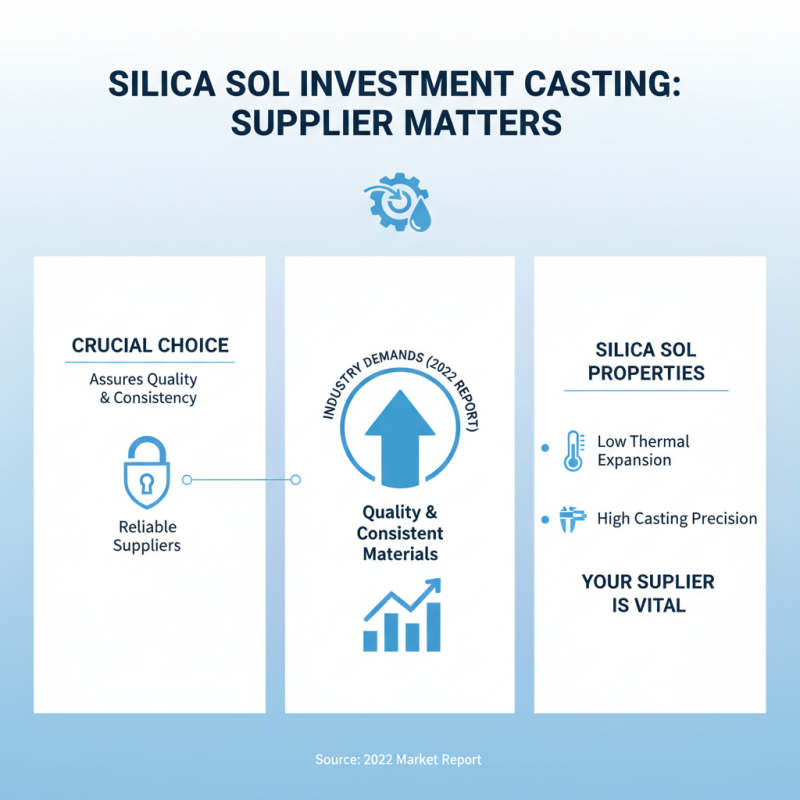
When investing in silica sol investment casting, finding reliable suppliers is crucial. A 2022 market report highlighted that industry players desire materials that assure quality and consistency. Silica sol's properties, such as low thermal expansion and high casting precision, make your choice of supplier vital.
Tip 1: Research potential suppliers thoroughly. Look for reviews and testimonials from other clients. A reliable supplier has a solid history. They should provide data sheets, samples, and certifications for their silica sol materials.
Tip 2: Assess their production capabilities. Some suppliers might compromise quality for speed. You want a partner who can maintain quality while meeting deadlines.
Visiting the supplier's facility can be beneficial. Observing their processes and checks can give insights into their reliability. Are their production methods transparent? Can they handle your specific requirements? Understanding these factors is essential.
Tip 3: Ask about their sourcing of raw materials. Reliable suppliers source silica from reputable mines. A cheap price might signal subpar quality. Quality directly impacts your casting outcomes. Prioritize suppliers with a commitment to quality over cost.
Assessing Cost-Effectiveness in Investment Casting Projects
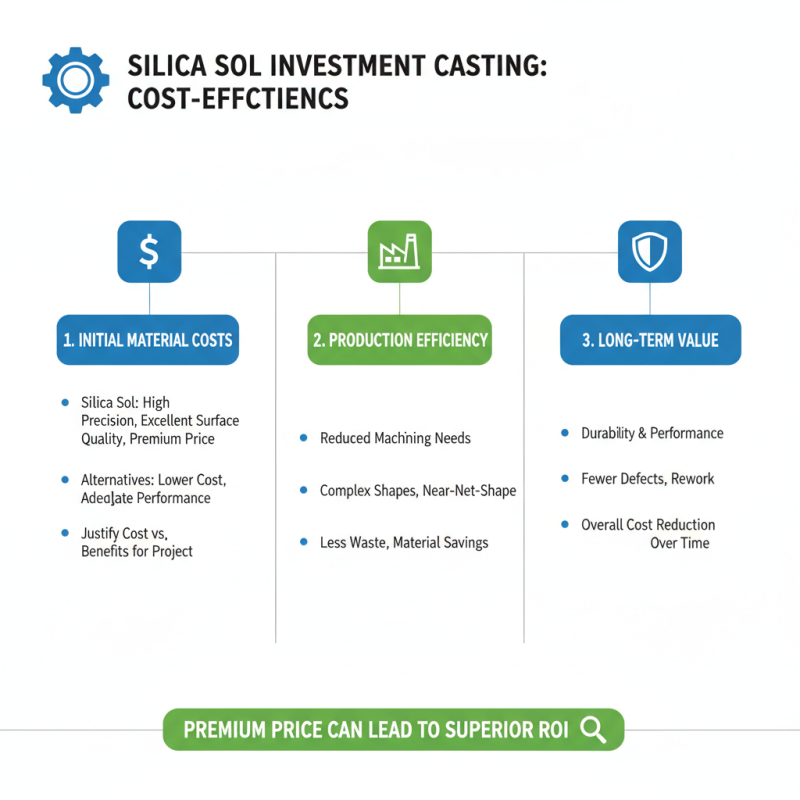
When assessing the cost-effectiveness of silica sol investment casting, start by evaluating the initial material costs. Silica sol offers high precision and excellent surface quality. However, it can come at a premium price. Consider if the benefits justify the costs for your specific project. Sometimes, cheaper alternatives may perform adequately without compromising quality.
Next, analyze the production efficiency. The time taken for mold preparation and casting significantly affects overall costs. Invest in automation to streamline processes. But be aware of the maintenance and training costs associated with new technology. Efficiency gains can be elusive without proper planning.
Lastly, consider the long-term benefits of using silica sol investment casting. Will it lead to fewer defects and rework? High-quality outputs may save money over time. Yet, always reflect on the total cost of ownership. It's vital to weigh the initial investment against potential long-term savings. You may find that what seems like a high upfront cost is actually a wise investment.
Implementing Sustainable Practices in Silica Sol Investments
Investing in silica sol investment casting offers unique opportunities. Implementing sustainable practices is vital for long-term success in this field. The global market for investment casting is projected to reach $20 billion by 2025, driven by the aerospace and automotive sectors. Sustainable practices can significantly influence your return on investment.
One tip is to focus on material sourcing. Suppliers should demonstrate environmentally responsible methods. Certifications can indicate compliance with sustainability standards. The use of recycled materials is gaining traction. It not only reduces waste but also lowers costs. Additionally, consider energy-efficient processes. These can enhance the overall production efficiency.
Investors must pay attention to the lifecycle impact of their choices. Sustainable materials might come at a higher initial cost. However, their durability often leads to lower maintenance expenses. Research indicates that companies that prioritize sustainability see a 15% increase in brand loyalty. The shift towards greener practices can be challenging. Balancing costs and benefits requires careful consideration. Yet, this approach promotes a positive reputation in the industry, paving the way for future investment opportunities.