Top Tips for Successful Stainless Steel Casting Techniques?
Stainless Steel Casting is a critical process in modern manufacturing, known for its durability and versatility. According to a recent report by Market Research Future, the global stainless steel casting market is projected to reach USD 5.3 billion by 2025. This growth indicates a rising demand for both traditional and innovative casting techniques.
Experts in the field emphasize the importance of mastering these techniques. Dr. Emily Zhang, a leading authority on stainless steel applications, stated, “Precision in casting techniques directly influences product quality and performance.” This highlights the necessity for continuous improvement and adaptation in casting methods.
Challenges remain for manufacturers in achieving optimal results. Issues such as porosity and dimensional inaccuracies can arise during the process. Reflecting on these pitfalls is vital for progress. Focusing on effective methods in Stainless Steel Casting can mitigate risks and enhance production efficiency. Adopting best practices is not just beneficial; it’s essential for staying competitive in the evolving market.
Understanding the Basics of Stainless Steel Casting Techniques
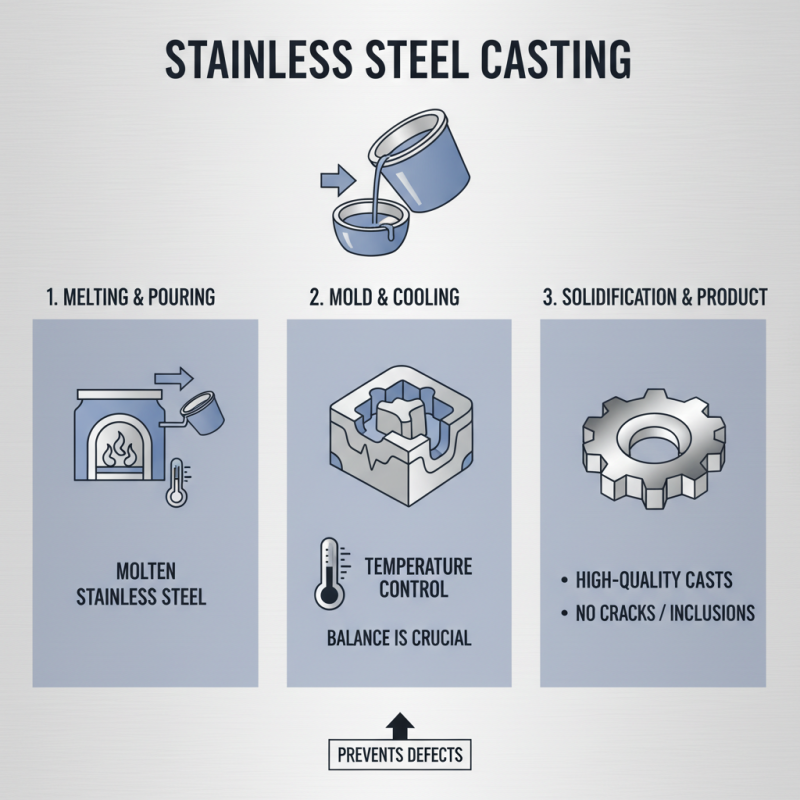
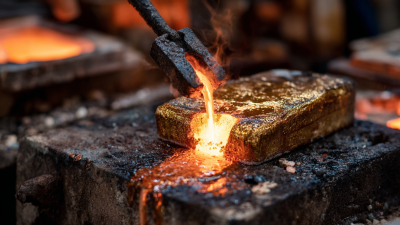
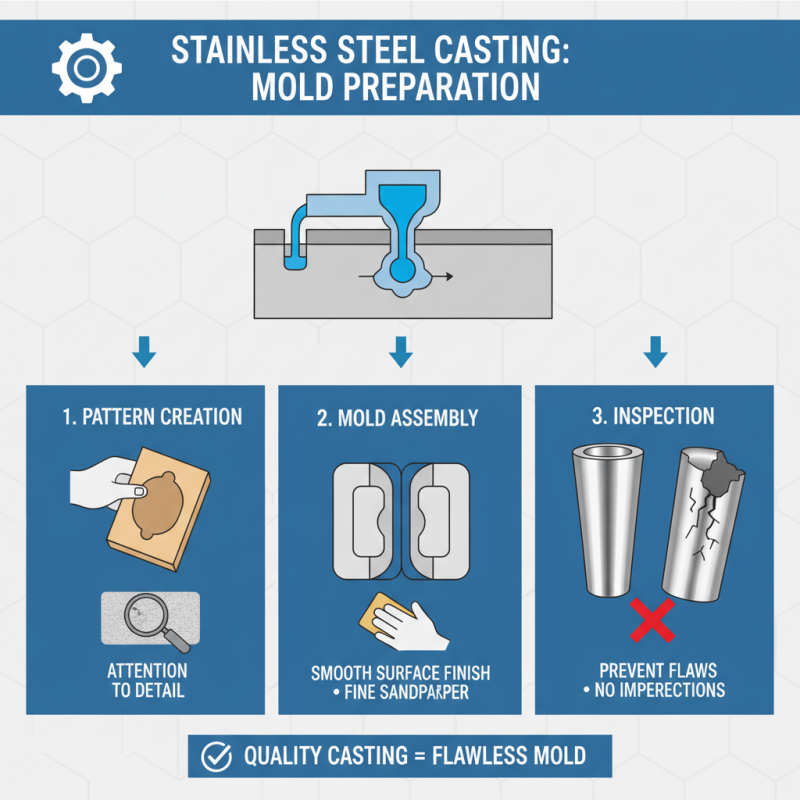
Stainless steel casting is an intricate process that requires a solid understanding of the fundamentals. This technique involves pouring molten stainless steel into a mold, allowing it to cool and solidify. One critical aspect is temperature control. Excessively high temperatures can lead to defects in the final product, such as inclusions or cracks. Achieving the right balance is crucial for high-quality casts.
Another vital element is the choice of mold material. Various options exist, each with unique properties. Ceramics are popular for their heat resistance but may not be ideal for all applications. Metal molds can provide better durability but require significant investment. It’s essential to assess the project's needs before making a decision. Many beginners overlook this step, leading to subpar outcomes.
Further complicating the process is the need for post-casting treatment. Proper finishing techniques can enhance the appearance and performance of stainless steel parts. However, many forget this crucial phase. Skipping essential treatments can result in surface imperfections and decreased quality. Continuous improvement and learning from past mistakes are the keys to mastering stainless steel casting techniques.
Choosing the Right Stainless Steel Alloy for Casting Projects
Choosing the right stainless steel alloy is vital for successful casting projects. Each alloy has unique properties. Some are more corrosion-resistant, while others offer better strength and durability. Understanding these traits can significantly impact the final product.
For instance, austenitic stainless steels, like type 304, are known for their good weldability and resistance to oxidation. They are ideal for structures exposed to harsh environments. However, they may not withstand high temperatures as well as other alloys. On the other hand, martensitic grades, such as type 410, provide higher strength. Increased hardness is a plus but can lead to challenges during machining.
Experimenting with different alloys can be a double-edged sword. One may discover unexpected advantages, but also face issues like cracking or warping. Developing a keen sense of each alloy's properties will reduce these risks. Constantly reflecting on your past casting experiences will guide you in future projects. Pay attention to how the chosen alloy behaves under various conditions. This practice is crucial for continuous improvement in stainless steel casting techniques.
Controlling Temperature and Environment During the Casting Process
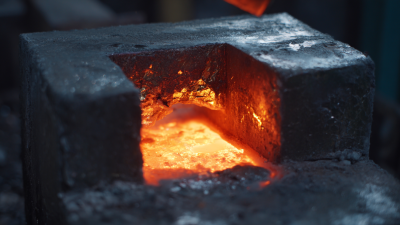
The casting process of stainless steel is sensitive to temperature and environmental factors. Maintaining the right temperature is crucial. If the temperature is too low, the metal can solidify too fast, leading to defects. Conversely, a high temperature may cause excessive oxidation. Monitoring the furnace and metal temperature closely will help avoid these issues.
The casting environment plays a vital role as well. A clean workspace prevents contamination. Dust and debris can cause surface flaws. Additionally, humidity levels should be controlled. Excess moisture can lead to gas formations during casting, creating weak spots. It's essential to ensure that the area around the casting molds is dry and free from any unwanted particles.
Errors can happen, despite careful planning. Sometimes, material defects go unnoticed. Reflecting on previous casting sessions is necessary. Identifying patterns in failures helps in adjusting approaches. It’s a continuous learning process to achieve quality in stainless steel casting. The balance of temperature and environment stands as a crucial pillar for success.
Temperature Control in Stainless Steel Casting
This bar chart illustrates the optimal temperature ranges for successful stainless steel casting techniques. Maintaining the correct temperature is crucial to ensure the quality and integrity of the cast product.
Post-Casting Treatments for Enhancing Stainless Steel Properties
Post-casting treatments are crucial for enhancing the properties of stainless steel. After casting, the material often requires adjustments to improve its corrosion resistance and overall performance. Heat treatment is one effective method. It can alter the microstructure and relieve internal stresses. Studies show that proper heat treatment can increase hardness by up to 30%.
Another vital treatment is passivation. This process removes free iron and contaminants from the surface. It enhances the natural oxide layer, which protects against rust. Reports indicate that passivated stainless steel exhibits significantly improved durability, lasting up to 20% longer in harsh environments.
However, achieving the ideal results is not always straightforward. Overheating during heat treatment can lead to brittleness. Inadequate passivation may leave weak spots susceptible to corrosion. Consistency in processes is key, yet many manufacturers still face challenges. Some fail to validate their treatments effectively, leading to premature failure in applications. The trade-off between treatment intensity and material integrity requires careful evaluation.
Top Tips for Successful Stainless Steel Casting Techniques
| Casting Technique |
Description |
Post-Casting Treatment |
Benefit |
| Investment Casting |
A process of creating a wax pattern, coating it with ceramic material, and melting the wax away. |
Heat Treatment |
Improves ductility and toughness, relieving internal stresses. |
| Sand Casting |
A method using sand molds to create the desired shape of stainless steel parts. |
Surface Finishing |
Enhances surface quality and appearance, reducing roughness. |
| Continuous Casting |
A process where molten steel is poured into a mold, forming a continuous strand. |
Pickling |
Removes oxides and scales, preventing corrosion and improving finish. |
| Die Casting |
Involves forcing molten metal into a mold under high pressure. |
Aging |
Enhances strength and hardness through microstructure changes. |