What is Silica Sol Casting? Benefits, Process, and Applications Explored
Silica Sol Casting is a fascinating technique that has gained traction in various industries. It involves using silica sol as a binding agent in casting processes. This method offers several notable advantages, making it a preferred choice for many applications.
The process of Silica Sol Casting is intricate yet rewarding. It allows for the creation of highly detailed and precise cast parts. This level of accuracy can be critical in sectors like aerospace and automotive. However, the complexity also brings challenges. Mastering this casting method requires a deep understanding of materials and techniques.
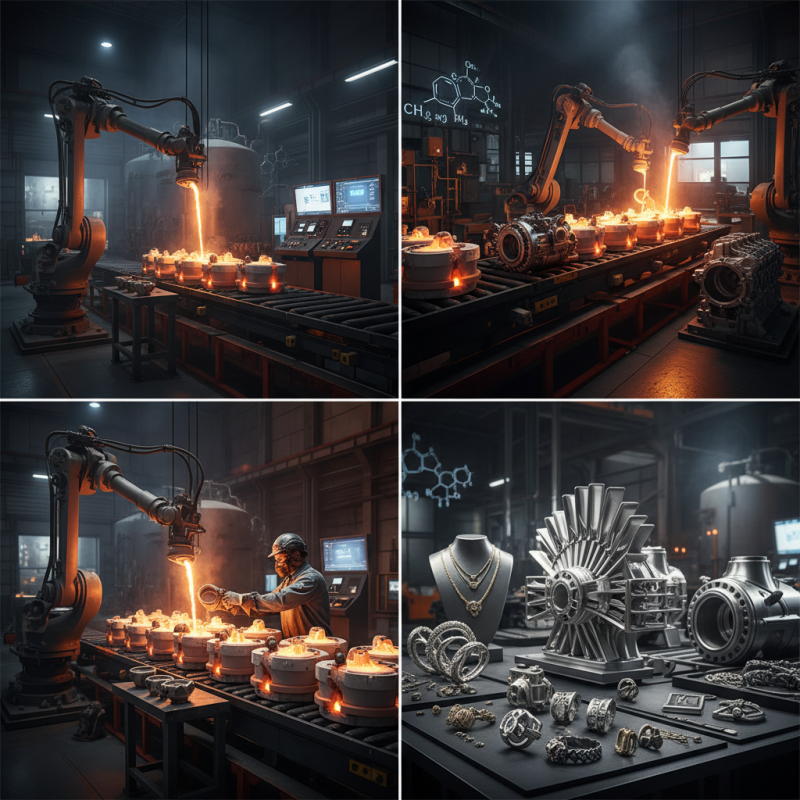
Nevertheless, the potential applications of Silica Sol Casting are vast. From intricate jewelry to large industrial components, its versatility is impressive. As industries continue to innovate, Silica Sol Casting remains a key player in advancing manufacturing capabilities. Embracing this technique may also lead to further exploration and improvements in casting technologies.
What is Silica Sol Casting?
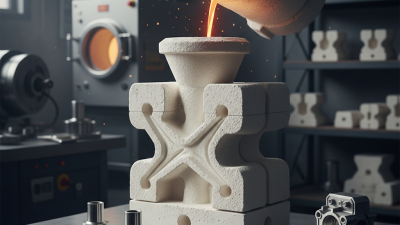
Silica sol casting is a modern metal casting technique. It uses silica sol as a binder, offering unique properties. The process involves creating a ceramic shell around a pattern. This shell is built layer by layer, providing precision.
The silica sol is water-based and non-toxic. This makes it safer for both workers and the environment. The resulting molds can capture intricate details. However, creating these molds requires skill and practice. It's easy to make mistakes during the layering process, often leading to defects.
In terms of applications, silica sol casting is utilized in various industries. It is common in aerospace, automotive, and jewelry making. The ability to produce fine details makes it ideal for intricate designs. Yet, the cost can be higher than traditional methods. Reflecting on these differences helps industries choose the right method for their needs.
Key Benefits of Silica Sol Casting Techniques
Silica sol casting is gaining momentum across various industries. This technique offers unique advantages such as superior surface finish and intricate detail. According to industry reports, it enhances dimensional accuracy, which is vital for complex parts. The low thermal expansion of silica sol contributes to reduced defects during cooling.
One major benefit is the ability to cast complex shapes. Traditional casting methods often struggle with intricate designs. Silica sol casting succeeds where others may fail. It significantly reduces the need for machining, cutting costs and production time. A recent study indicated a 30% decrease in post-casting work when using silica sol.
Durability is another strong point. Parts made with silica sol casting exhibit excellent wear resistance. They often outperform those produced by other means. Industry experts suggest that the castings can withstand extreme conditions. This opens new avenues for applications in aerospace and automotive sectors. However, the initial setup cost can be higher. Companies need to evaluate whether the long-term benefits outweigh these costs.
Step-by-Step Process of Silica Sol Casting
Silica sol casting is an intricate process. It begins with creating a precise pattern from wax or metal. This pattern is then coated with silica sol, a liquid ceramic material. The coating must be uniform and comprehensive. Once coated, it is heated in an oven. This step allows the silica to bond and harden effectively.
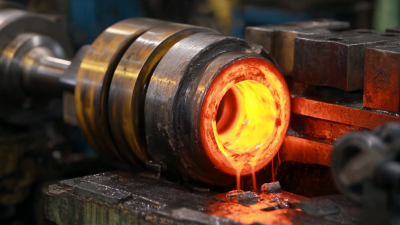
After the hardening, the mold is ready for the next stage. The heating removes any wax residue, leaving a hollow cast. Subsequently, molten metal is poured into the mold. The cooling phase is crucial here. It requires patience to ensure the metal solidifies completely without flaws. After cooling, the mold is broken away to reveal the final casting.
This method offers precision and strength. However, it can be labor-intensive and time-consuming. Perfection is not always guaranteed. Mistakes in the pattern or timing may lead to defects. These challenges necessitate careful planning and execution to achieve desired results. Each step must be monitored with diligence to ensure quality output.
Common Applications of Silica Sol Casting Across Industries
Silica sol casting is gaining traction across various industries due to its unique benefits. This process utilizes silica sol as a binder, offering superior surface finish and dimensional accuracy. The aerospace sector, for instance, often relies on this method for producing lightweight components. According to a recent market analysis, the global demand for silica sol casting in aerospace applications is projected to reach over $200 million by 2025.
The automotive industry also embraces silica sol casting for producing intricate engine parts. This technique allows for reduced machining time and improved performance. Data from automotive reports indicate that over 60% of manufacturers are now incorporating advanced casting methods, including silica sol, into their production processes to enhance efficiency. Additionally, the medical sector is investing in silica sol casting for precision parts in surgical tools. This ensures reliability and performance in critical applications.
One challenge persists: the cost of materials can be higher than traditional casting methods. This might limit adoption for some smaller firms. Additionally, maintaining consistent quality can be an issue. Variability in the silica sol mixture can lead to defects. Therefore, thorough quality control measures are essential to ensure optimal outcomes in final products. The exploration of these applications is vital for future innovations.
Common Applications of Silica Sol Casting Across Industries
| Industry |
Application |
Benefits |
| Aerospace |
Engine components and parts |
High precision and stability under extreme conditions |
| Automotive |
Transmission housings and brackets |
Enhanced manufacturing efficiency and weight reduction |
| Medical |
Surgical instruments and implants |
Biocompatibility and detailed surface finish |
| Electronics |
Circuit boards and housings |
Precision and thermal resilience |
| Art and Sculpture |
Artistic metal castings |
Detailing and surface quality |
Comparative Analysis of Silica Sol Casting with Other Methods
Silica sol casting stands out against other casting methods due to its unique properties. This process utilizes fine silica particles suspended in a liquid sol. It creates molds that boast high dimensional accuracy. The level of detail achieved can be impressive. This makes it suitable for complex designs, often unattainable through traditional sand casting.
In comparison, sand casting often results in coarse surfaces. Sand molds need more finishing work, which can elongate production times. Wax patterns might also offer precision, but they are limited in temperature resistance.
Meanwhile, silica sol casting remains stable under high temperatures. This durability enhances both quality and efficiency in production. Some challenges exist, such as higher material costs. Still, the benefits often outweigh these drawbacks, especially for intricate components. When selecting a method, one must weigh these factors carefully.