Top Precision Casting Components from China for Global Buyers?
As the global manufacturing landscape evolves, Precision Casting Components have gained significant importance. According to a report by Mordor Intelligence, the precision casting market is projected to reach USD 35 billion by 2026, reflecting an annual growth rate of 5.4%. This growth is driven by increasing demand in sectors like automotive, aerospace, and oil and gas, where high-quality components are critical.
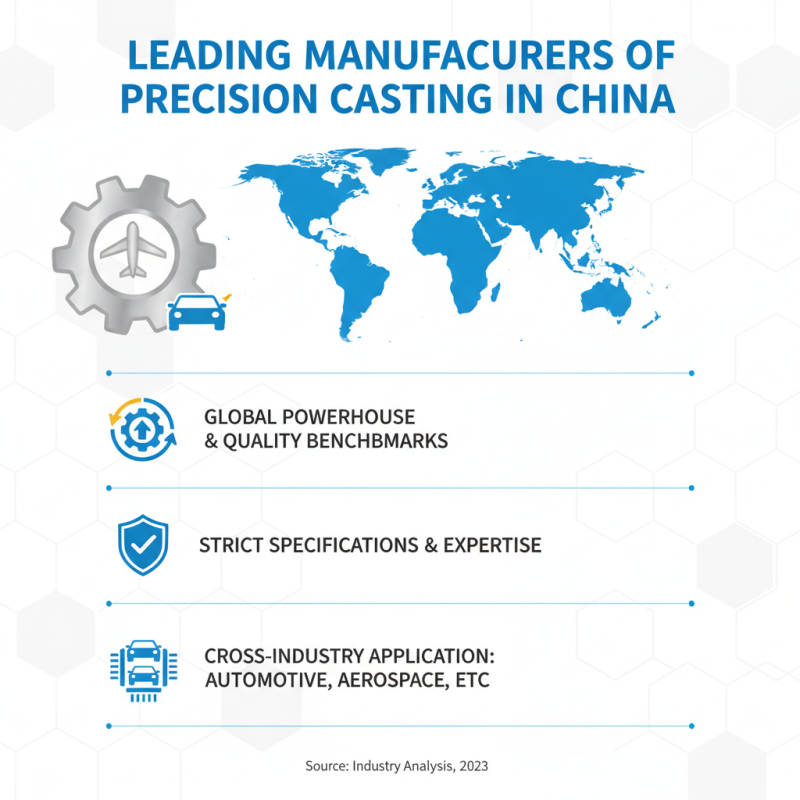
China stands at the forefront of this industry. With advanced techniques and a skilled workforce, Chinese manufacturers provide a diverse range of Precision Casting Components. However, challenges exist. Quality control remains a concern, as variations can affect final products. Not all suppliers maintain the same standards, which emphasizes the need for thorough vetting by global buyers.
Investing in reliable suppliers from China can lead to cost-effective solutions without sacrificing quality. Buyers must prioritize partnerships that demonstrate expertise and a proven track record. Understanding the nuances of this market is vital for successful sourcing, ensuring both efficiency and performance in the end products. The journey may not be perfect, but it offers substantial opportunities for those willing to navigate the complexities of sourcing Precision Casting Components from China.

Overview of Precision Casting in China
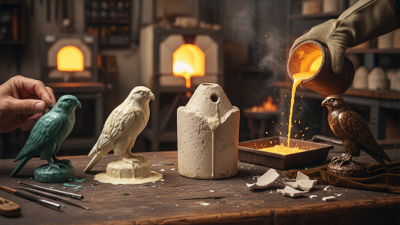
Precision casting in China has gained significant attention globally. This method involves pouring molten metal into a mold to create intricate components. The versatility of precision casting allows it to be used in various industries, including aerospace, automotive, and medical equipment. Each sector demands high-quality standards, which Chinese manufacturers strive to meet.
China's advanced technology plays a crucial role in this process. Modern facilities employ sophisticated techniques to ensure precision. However, challenges persist. Quality control can vary among suppliers, and potential buyers must conduct thorough research. Inspecting manufacturing processes is important, as it ensures reliable outcomes. Establishing trust with suppliers is key to a successful partnership.
Moreover, the swift production capabilities in China can sometimes lead to rushed projects, compromising quality. Finding balance requires clear communication and well-defined expectations. Buyers need to engage in discussions about specifications and testing protocols. This not only aids in understanding the capabilities of the supplier but also assures consistent quality in the end products. Robust relationships built on transparency often yield the best results.
Key Advantages of Chinese Precision Casting Components
China has emerged as a leading source for precision casting components, attracting global buyers. The key advantages of Chinese precision casting components lie in their remarkable cost-effectiveness and technological advancements. Manufacturers employ cutting-edge techniques to ensure high accuracy for intricate designs. Many components are produced using advanced alloys, which enhance durability and performance.
Furthermore, China boasts a vast network of skilled artisans and engineers who specialize in precision casting. This expertise enables a rapid turnaround time for custom orders, allowing companies to react quickly to market demands. Quality control measures are put in place, although some inconsistencies may occasionally arise. Buyers often need to implement thorough inspections to mitigate risks.
Another significant advantage is the scalability of production. Chinese factories can manage both small and large orders efficiently. While this capacity illustrates their strengths, some businesses may find it challenging to maintain consistent quality across varying production sizes. Ongoing communication is crucial for alignment with specific requirements. Global buyers often appreciate this flexibility, even if it comes with its own set of challenges.
Top Precision Casting Components from China for Global Buyers
| Component Type |
Material |
Weight Range (kg) |
Dimensions (mm) |
Application |
Lead Time (Weeks) |
Surface Treatment |
| Gearbox Housing |
Aluminum Alloy |
5 - 20 |
100 x 150 x 200 |
Automotive |
4 |
Anodizing |
| Pump Body |
Ductile Iron |
10 - 50 |
200 x 300 x 150 |
Water Supply |
6 |
Painting |
| Valve Body |
Carbon Steel |
2 - 25 |
50 x 50 x 60 |
Industrial |
5 |
Galvanization |
| Frame Components |
Stainless Steel |
15 - 70 |
300 x 400 x 500 |
Construction |
7 |
Polishing |
| Chassis Parts |
Aluminum Alloy |
3 - 30 |
150 x 200 x 100 |
Telecommunications |
3 |
Surface Coating |
Applications of Precision Casting in Various Industries
Precision casting is a vital process utilized across various industries. From aerospace engineering to automotive manufacturing, its applications are profound. According to a recent market report, the global precision casting market is projected to reach USD 28.6 billion by 2027, growing at a CAGR of 5.3%. This indicates a robust demand for precise components in the coming years.
In the aerospace sector, precision casting ensures the production of lightweight and durable parts. These components endure extreme conditions. Their reliability is crucial. For instance, turbine blades made from precision cast materials must perform under high stress and temperature. Similarly, automotive applications benefit from this manufacturing technique. Engine components produced through precision casting contribute to better fuel efficiency and lower emissions. This aligns with current environmental standards.
However, challenges persist. The intricacies of precision casting require skilled craftsmanship and advanced technology. The need for continuous quality assurance complicates production processes. Many companies face issues with cast defects that can lead to costly reworks. Ensuring a perfect balance between cost and quality is often a difficult task. Such challenges necessitate ongoing innovation and adaptation in the industry.
Quality Standards and Certifications for Precision Casting Products
When sourcing precision casting components from China, understanding quality standards is vital. The industry employs various certifications to ensure product reliability. ISO 9001 is one significant standard that emphasizes effective quality management systems. Many manufacturers in China adhere to this, showcasing their commitment to producing high-quality precision castings.
Another crucial certification is RoHS, which ensures that products are free from hazardous materials. This standard is essential for industries focused on environmental safety. According to a recent industry report, over 70% of global buyers prefer suppliers with RoHS certification. This reflects a growing commitment to sustainable practices in supply chains.
Tips: Always check the certifications before making a purchase. It can save you time and potential issues later on. Look for manufacturers with experience in your specific industry. This expertise can make a difference in meeting your exact requirements. Quality checks should be standard; even minor flaws can lead to significant problems down the line. Prioritize vendors who conduct regular audits of their processes.
Top Precision Casting Components from China for Global Buyers