What is Lost Wax Steel Casting Benefits and Applications?
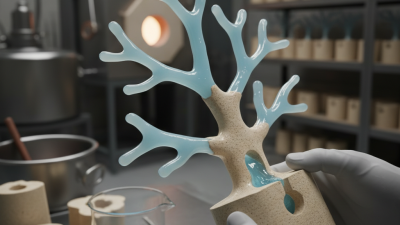
Lost Wax Steel Casting is a fascinating method in manufacturing. It has unique benefits that make it desirable for various applications. This technique involves creating a wax model, coating it in ceramic, and melting away the wax. The result is intricate designs in steel.
The precision of Lost Wax Steel Casting attracts industries like aerospace, automotive, and medical. Parts made using this method showcase superior strength and complexity. However, the process requires careful calibration and skilled artisans. Mistakes can lead to costly errors and waste materials.
Understanding the intricacies of Lost Wax Steel Casting is crucial. Its applications offer both challenges and opportunities. The blend of craftsmanship and technology ensures that this method remains relevant. As industries evolve, so will the potential of Lost Wax Steel Casting. Each project must reflect a balance between design and functionality.
Understanding Lost Wax Steel Casting: An Overview
Lost wax steel casting, also known as investment casting, has gained traction in various industries. This method involves creating a wax pattern, coating it with a ceramic material, and then melting the wax away. The result is a precise mold for pouring molten steel. Industry reports suggest that this technique can reduce waste levels by up to 90%, making it a cost-effective choice for manufacturers.
An important aspect of lost wax steel casting is its versatility. It can produce complex shapes that are difficult to achieve with traditional methods. According to a 2022 market analysis, the demand for investment casting is projected to grow by 15% annually in the aerospace sector. This rapid growth emphasizes the method's efficiency in producing parts like turbine blades and engine components.
Despite its advantages, some challenges persist. The initial setup costs for lost wax casting can be high, which may deter small businesses. Oversight of the wax pattern process is vital to avoid defects. Even the slightest imperfection can lead to significant waste. Continued advancements in technology are essential for overcoming these barriers while maintaining quality and precision.
The Process of Lost Wax Steel Casting: Step-by-Step
The lost wax steel casting process is intricate yet rewarding. It begins with creating a wax model of the desired part. This model is then coated in a ceramic shell, which hardens to form a mold. The wax is melted away, leaving a precise cavity for molten steel.
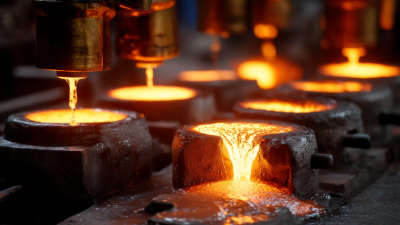
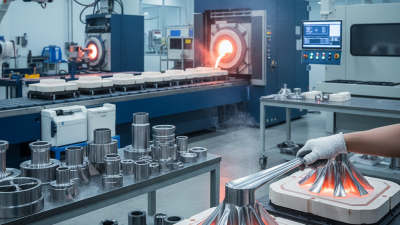
Next, molten steel is poured into the mold. This step requires close attention, as the steel must achieve the right temperature for optimal flow. Any miscalculation can lead to defects in the final product. After cooling, the ceramic shell is broken away, revealing a metal replica of the original model.
Finally, post-processing steps include cleaning, machining, and inspection. Each step demands skill and care. Even a small error can compromise the quality of the casting. The level of detail achievable with this method is impressive, enabling artisans to create complex shapes. However, challenges remain, especially in ensuring uniformity and tolerances throughout production. Each casting process offers opportunities for learning and improvement.
What is Lost Wax Steel Casting Benefits and Applications? - The Process of Lost Wax Steel Casting: Step-by-Step
| Dimension |
Description |
Benefits |
Common Applications |
| Material |
Steel |
High strength and durability |
Automotive parts |
| Process |
Lost Wax Casting |
Complex shapes and high precision |
Aerospace components |
| Cost Efficiency |
Reduced waste |
Lower production costs |
High-volume manufacturing |
| Finishing |
Minimal finishing required |
Saves time and labor |
Artistic sculptures |
| Lead Time |
Short production times |
Efficient for large orders |
Industrial machinery parts |
Key Benefits of Using Lost Wax Steel Casting in Manufacturing
Lost wax steel casting offers numerous benefits that make it a preferred choice in various manufacturing sectors. This method allows for high precision in producing complex geometries. According to a report by MarketsandMarkets, the global investment casting market is projected to reach $32 billion by 2026. This demand highlights the advantages, including reduced material waste and improved metal yield. Manufacturers can produce intricate parts with minimal machining.
Another key benefit is the adaptability of lost wax steel casting. Industries such as aerospace and automotive frequently utilize it for specialized components. The ability to cast alloys with varied properties enhances performance in specific applications. This technique often results in better surface finishes than traditional methods. However, it demands skilled artisans to manage the delicate process, which can sometimes lead to quality inconsistencies.
The strength-to-weight ratio achieved through this method is remarkable. Research shows that lost wax castings can maintain integrity under stress while being lighter than forged products. Yet, it's essential to acknowledge the potential for casting defects. Thorough quality control measures are critical to address this issue effectively. The balance between complexity and quality is delicate, requiring continuous evaluation and improvement in casting processes.
Major Applications of Lost Wax Steel Casting Across Industries
Lost wax steel casting, a method known for precision, finds vast applications across diverse industries. In aerospace, manufacturers use this technique to create complex components. Parts like turbine blades require high strength and detailed shapes. Lost wax casting meets these demands, allowing for intricate designs that enhance performance and efficiency.
The automotive industry also benefits greatly from this casting method. Engine components, such as valves and crankshafts, are often made using lost wax techniques. These parts need to withstand high pressure and temperatures. They must be machined to exact specifications. Casting improves production speed while maintaining quality. However, imperfections in the molds can lead to defects, prompting continuous improvements in casting technology.
Moreover, medical equipment relies on lost wax casting. Surgical instruments and implants are crafted for durability and precision. The need for biocompatibility means every element must align perfectly. However, there are challenges; variations in material properties can cause inconsistencies. Engineers continually reflect on these challenges, striving for advancements in materials and processes to ensure reliability.
Comparative Analysis: Lost Wax Steel Casting vs. Other Casting Methods
Lost wax steel casting, also known as investment casting, stands out among various casting methods. It allows for exceptional precision and detail. This method excels in creating intricate shapes and fine features. For industries like aerospace and medicine, this is crucial. The finished products demonstrate excellent mechanical properties and surface finishes, which can reduce or eliminate the need for machining.
When comparing lost wax steel casting to sand casting, the differences become clear. Sand casting is typically less expensive. However, its accuracy falls short. Sand cast products may require additional finishing work. Lost wax, on the other hand, minimizes post-processing. It's worth noting that the initial costs for lost wax can be higher. This prompts manufacturers to weigh their options carefully.
Another option is die casting. While die casting offers speed, it often lacks the detail achievable with lost wax. The ability to work with a variety of alloys also sets lost wax apart. Its versatility is an advantage in production runs. However, some industries may shy away from this method due to technology constraints. It’s essential to evaluate each option based on specific project needs and budget.