What is Investment Casting and How Does It Work?
Investment casting, a technique dating back thousands of years, continues to evolve in today’s manufacturing world. Renowned expert John Smith states, “Investment casting allows for intricate designs and superior surface finishes.” This traditional method creates highly precise metal parts, crucial for industries like aerospace and automotive.
In investment casting, a wax model is coated in a ceramic shell, which hardens. After melting the wax, molten metal fills the shell. This process captures fine details, resulting in parts that are both functional and aesthetically pleasing. However, challenges exist. Achieving the desired quality can be difficult, and the initial setup costs are high.
Understanding the nuances of investment casting is vital. Each project requires careful consideration of materials and design. Imperfections can lead to costly mistakes, necessitating thorough planning. While investment casting presents remarkable opportunities, it also demands experience and precision.
What is Investment Casting?
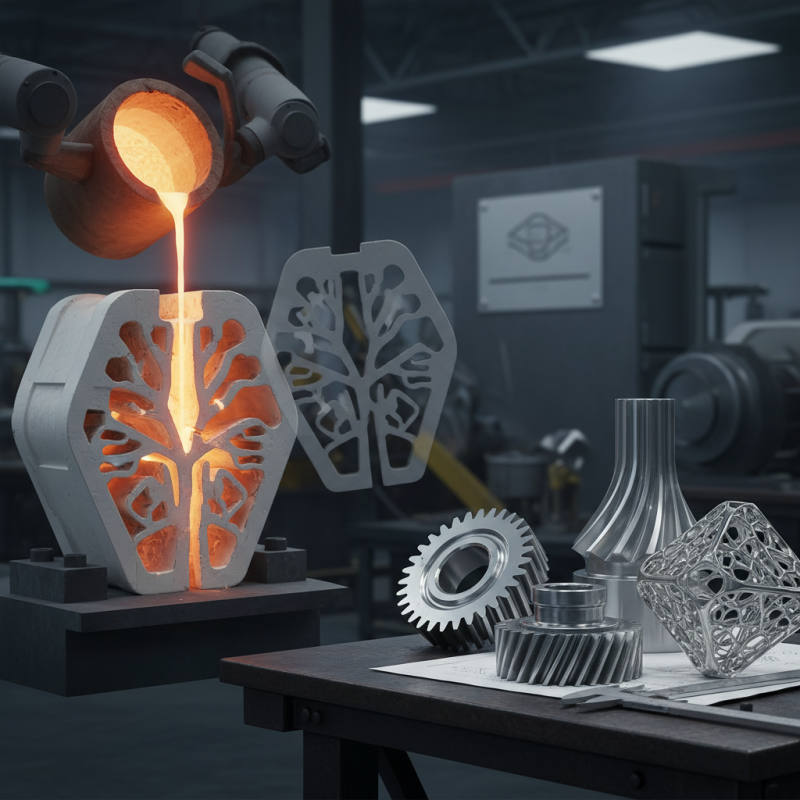
Investment casting is a precise manufacturing process. It is often used to create complex metal parts. The technique begins with making a wax pattern. This pattern is then coated in a ceramic shell. Once the shell is hardened, the wax is melted away. This leaves a cavity in the shape of your part.
Creating a wax pattern requires attention. A small error in the pattern can lead to defects. This means that the final product may not fit your needs. When working on the pattern, take your time. Use fine details to ensure accuracy.
Tip: Always double-check your measurements before casting. Mistakes in dimensions can be costly.
After the shell is formed, metal is poured in. This solidifies into the final shape. The process can create thin walls and intricate designs. However, it also means that changes are hard to make later.
Tip: Be prepared to iterate on your design. Sometimes the first version isn’t perfect and needs adjustment.
Investment casting is versatile but demands precision. It is best for larger quantities as setup can be expensive. A thorough understanding is vital for success in creating high-quality parts. Every detail matters.
The History and Development of Investment Casting
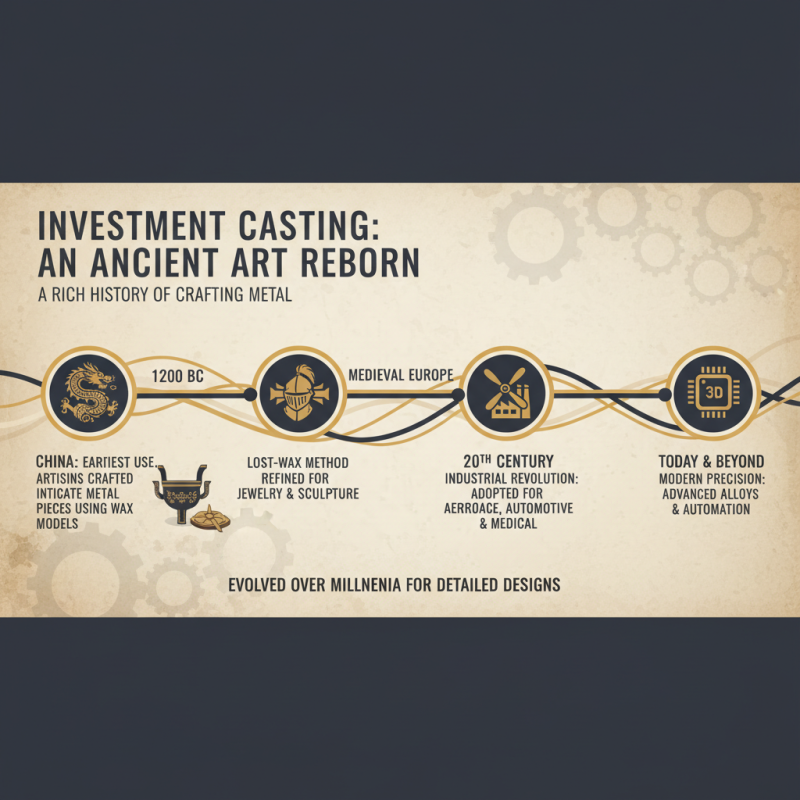
Investment casting has a rich history that dates back thousands of years. This ancient method was used as early as 1200 BC in China. Artisans crafted intricate metal pieces using wax models. They found this technique useful for creating detailed designs. The process evolved over time, becoming more sophisticated.
In the 20th century, investment casting saw significant advancements. The invention of new materials made it more efficient. Metal foundries began adopting modern technologies. These changes improved precision and reduced manufacturing costs. However, challenges remained. Some manufacturers struggled with maintaining consistent quality. Others faced issues with the complexity of designs.
Today, investment casting is utilized in various industries. Aerospace, automotive, and medical sectors depend on it for producing components. The method allows for complex shapes that are often difficult to achieve otherwise. Yet, there is still a need for constant innovation. Better techniques must be developed to address existing flaws. As the industry grows, it’s essential to reflect on these challenges and seek improvement.
The Investment Casting Process: Step-by-Step Overview
Investment casting is a precise manufacturing process. It is used to create intricate parts. This method involves several detailed steps that ensure high accuracy and quality.
The first step is creating a wax pattern. This is done by injecting molten wax into a mold. Once cooled, the pattern is removed. The next step is to coat the pattern in a ceramic shell. This shell hardens around the wax. The patterns are then heated to melt away the wax.
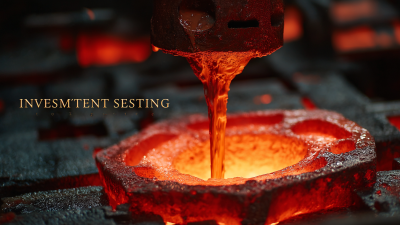
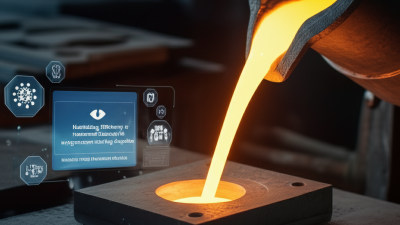
After the shell hardens, molten metal is poured into the cavity left by the wax. This forms the desired shape. Once cooled, the ceramic shell is broken away. The final product is often smooth and requires less machining.
Tip: Pay attention to the temperature during pouring. Too high might distort the shape. Too low can cause defects.
Another important aspect is the quality of the wax. Impurities can lead to flaws in the final part. Thorough inspection of the wax patterns is crucial.
Tip: Use high-quality materials to ensure that every step is successful. This will ultimately improve the final outcome. Proper planning is essential to avoid wasting resources.
Materials Used in Investment Casting
Investment casting is a versatile method used in manufacturing intricate components. This process allows for precise shapes and fine details. The materials used in investment casting significantly impact the final product's strength and durability.
Common materials include high-grade alloys, stainless steel, and certain ceramics.
Alloys like nickel and cobalt are popular due to their high melting points and excellent mechanical properties. According to industry reports, around 30% of components produced through investment casting are made from stainless steel. This is favored for its corrosion resistance. Ceramics are also vital. They often serve as molds, providing smooth surfaces that minimize post-processing adjustments.
Despite the advantages, there are challenges. Some materials may be difficult to work with. For instance, certain alloys can become brittle when cast improperly. This leads to defects, which can compromise product integrity. Additionally, costs may escalate. High-quality materials may significantly increase production expenses. Balancing quality and budget is always a concern for manufacturers in this field.
Applications and Benefits of Investment Casting
Investment casting is widely used across various industries for its precision and versatility. This process excels in producing complex geometries that are difficult to achieve with other methods. Engineers often prefer this technique for creating detailed components, especially in aerospace and automotive applications. The ability to create intricate designs allows for better performance and reduced weight in critical components.
One notable benefit of investment casting is its ability to minimize material waste. The process can produce near-net shape parts, meaning less post-processing is necessary. However, the initial setup can be costly and time-consuming. Manufacturers must invest in creating high-quality molds, which may require additional resources. This can be a hurdle for smaller operations or startups.
Despite these challenges, investment casting remains a popular choice. It offers repeatability and precision that many other manufacturing methods cannot match. Companies appreciate the level of detail and smooth surface finish achievable through this technique. Yet, it’s essential to evaluate whether the benefits outweigh the costs for specific projects. In some cases, traditional methods might still be the better option.
Conclusion
Investment Casting is a sophisticated manufacturing process that allows for the precise production of complex metal components. This method, which has roots dating back thousands of years, involves creating a wax pattern that is coated in a ceramic shell. Once the shell hardens, the wax is melted away, leaving a mold that is filled with molten metal. The investment casting process is valued for its ability to produce parts with intricate geometries and fine details.
The materials used in investment casting can vary but often include various types of steel, aluminum, and alloys, making it suitable for diverse applications in industries such as aerospace, automotive, and medical devices. Despite its advantages, investment casting faces challenges such as high production costs and material limitations. However, ongoing innovations continue to enhance the efficiency and capabilities of investment casting, solidifying its importance in modern manufacturing.