Why Choose Casting With Copper for Your Next Project?
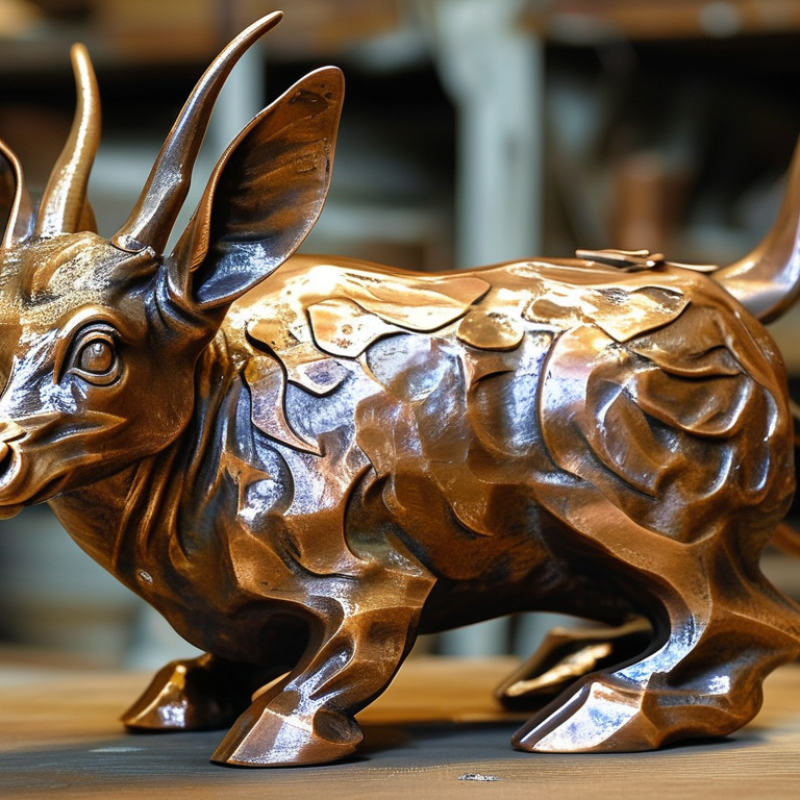
Casting with Copper is gaining momentum in various industries. Renowned expert Mark Anderson emphasizes, "The unique properties of copper make it an ideal choice for intricate designs." This highlights the versatility of casting with this metal.
Copper's exceptional conductivity and malleability contribute to its popularity in design and engineering. Many artists and manufacturers are discovering how it enhances durability while allowing creative flexibility. However, it is crucial to understand the specific requirements of each project before selecting copper.
There's also the challenge of balancing cost and quality. While copper can be more expensive, the long-term benefits often outweigh the initial investment. Reflecting on these factors can lead to better decision-making. By embracing casting with copper, you unlock creative potential in ways that other materials may not allow.
Benefits of Using Copper in Casting Processes
Casting with copper offers numerous advantages that make it an excellent choice for various projects. One major benefit is its excellent thermal and electrical conductivity. This property is crucial for applications requiring efficient heat dissipation or electrical flow. Copper's high melting point also enables it to maintain structural integrity under intense conditions. These characteristics make it a reliable option for both industrial and artistic casting.
When considering copper for casting, it’s vital to assess the specific needs of your project. An important tip is to account for the alloy's composition. Different alloys can impact strength and wear resistance. Additionally, remember that copper can be prone to oxidation. This may alter the appearance and performance of the final product. Regular maintenance can mitigate these effects.
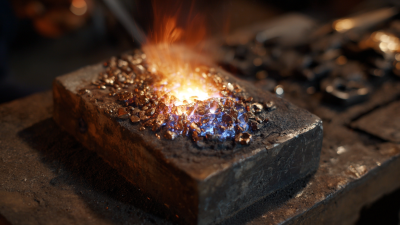
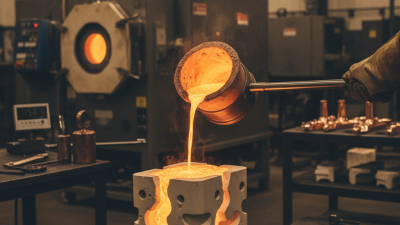
Another consideration is the casting process itself. Ensure you have the right equipment to handle the high temperatures involved. Safety precautions are essential due to the risks associated with molten metal. It's advisable to consult with professionals if you're unfamiliar with copper casting techniques. This can save time and prevent costly mistakes.
Properties of Copper That Enhance Casting Quality
When considering materials for casting, copper stands out due to its unique properties. Its high thermal and electrical conductivity is unmatched, allowing for efficient heat distribution during casting. This quality can significantly reduce the likelihood of defects. According to a report by the International Copper Association, the conductivity of copper is nearly 60% higher than that of aluminum, making it a preferred choice in industries requiring precision.
Moreover, copper's excellent corrosion resistance contributes to its durability. Castings made from copper can withstand harsh environments, maintaining their integrity over time. In a study by the Copper Development Association, copper alloys showed a 30% improvement in lifespan compared to less resistant materials. This long-term performance reduces the need for frequent replacements, potentially lowering overall project costs.
However, copper can be challenging to work with, especially for newcomers. Its high melting point requires specialized equipment and expertise. Miscalculations in temperature control can lead to serious defects, showcasing that not every operation might benefit from copper casting. Understanding these nuances is essential for successful implementation, and it’s important to reflect on the skill level and resources available before choosing copper as a primary material.
Applications of Cast Copper in Various Industries
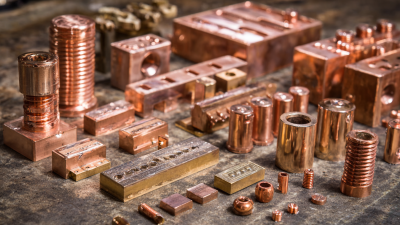
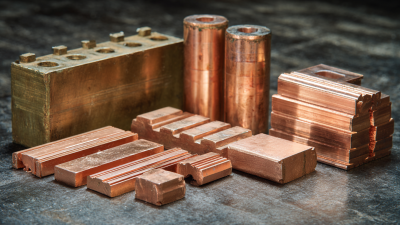
Cast copper is a versatile material used across many industries. One can find its applications in architecture, electronics, and manufacturing. Its excellent conductivity and durability make it ideal for electrical components. Buildings often feature cast copper elements that enhance both strength and aesthetic appeal.
In the electronics industry, cast copper components play a vital role. They are found in circuit boards, connectors, and power systems. The material's ability to conduct electricity efficiently improves device performance. This reliability can minimize maintenance needs, saving time and money.
Tips: When considering cast copper, evaluate your project's specific requirements. Test the material first to gauge its properties. Keep in mind that while cast copper is durable, it can be subject to corrosion if not properly maintained. Regular inspections can prevent long-term issues.
Comparative Analysis: Copper vs. Other Casting Metals
When discussing casting metals, copper emerges as a compelling choice. It boasts excellent thermal and electrical conductivity, outperforming many alternatives. According to the Copper Development Association, copper's thermal conductivity is around 400 W/mK, significantly higher than aluminum's and steel's. This quality allows for better performance in applications requiring efficient heat transfer.
In a comparative analysis, copper often ranks higher due to its corrosion resistance and durability. Research by the International Copper Association highlights that copper can last over 50 years in harsh environments. In contrast, metals like zinc may corrode within just a few years. It's critical for industries that need longevity in their components.
Tip: When selecting a metal for casting, consider the operating environment. If corrosion is a concern, copper may be the best choice.
Another aspect to consider is cost. Copper tends to be more expensive than aluminum or iron. However, when considering long-term performance and life cycle costs, the initial expense may be worth it.
Tip: Assess the total cost of ownership instead of just the purchase price. While copper might require a larger upfront investment, its durability can lead to savings in maintenance and replacement.
Copper stands out in the casting realm, but every project requires careful evaluation of materials. Weighing the specific needs of your application against the properties of various metals is essential for making an informed choice.
Why Choose Casting With Copper for Your Next Project?
Tips for Optimizing Copper Casting Projects
When considering copper casting for your next project, proper planning is key to achieving optimal results. Copper’s excellent thermal and electrical conductivity makes it a popular choice among artisans. However, working with copper can present challenges. Understanding its properties will truly enhance your project.
One tip is to invest time in selecting the right casting method. There are several techniques, each suitable for different applications. For intricate designs, consider using sand casting for its versatility. Alternatively, lost-wax casting can achieve finer details but demands more precise temperature control. Experimenting with these methods can lead to unexpected outcomes, some of which may not meet your initial expectations.
Another important aspect is temperature regulation. Maintaining the right temperature during the melting and pouring process is crucial. Too high a temperature can cause oxidation, yielding defects. A thermometer can be helpful but does not guarantee perfection. Keep a close watch and make adjustments as necessary. Mistakes in temperature can lead to lessons that improve your skills over time, paving the way for greater confidence in future projects.