How to Choose Silicon Brass Precision Casting Techniques?
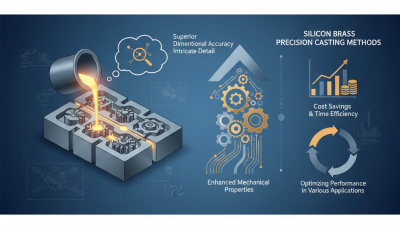
Choosing the right method for Silicon Brass Precision Casting can be challenging. This process plays a crucial role in achieving high-quality castings. The accuracy of the final product depends on the chosen technique.
When considering Silicon Brass Precision Casting, one must evaluate various factors. Each method has unique advantages and limitations. For example, sand casting might be suitable for simpler designs, while investment casting offers greater detail. Understanding these differences is key.
Often, costs and material properties must be weighed. A more intricate casting process may yield better results, but it can also be more expensive. Reflecting on these decisions can lead to better outcomes in production. Proper guidance is essential in navigating these options effectively.
Understanding Silicon Brass and Its Applications
Silicon brass is an alloy primarily composed of copper, zinc, and silicon. This mixture enhances its mechanical properties. Silicon brass is highly corrosion-resistant, making it ideal for marine applications. The material is often used in manufacturing valves, fittings, and various electrical components.
One interesting aspect of silicon brass is its excellent casting ability. It flows well into molds, ensuring detailed shapes. However, precision casting techniques can sometimes lead to defects. Issues such as air pockets and uneven cooling may arise. These imperfections highlight the importance of refining casting methods.
Understanding silicon brass's unique features helps in choosing the right techniques. Factors like temperature control and mold design play crucial roles. Even minor adjustments can significantly impact the final product. It's vital to balance cost-effectiveness with high-quality outcomes. Recognizing potential pitfalls will lead to better decisions in the casting process.
How to Choose Silicon Brass Precision Casting Techniques? - Understanding Silicon Brass and Its Applications
| Casting Technique |
Advantages |
Applications |
Considerations |
| Investment Casting |
High precision and excellent surface finish. |
Aerospace components, intricate designs. |
Higher cost, time-consuming setup. |
| Sand Casting |
Cost-effective for large molds. |
Heavy machinery, automotive parts. |
Lower precision, rougher surface. |
| Die Casting |
High-speed production of complex shapes. |
High-volume consumer products, appliances. |
Initial tooling costs can be high. |
| Centrifugal Casting |
Uniform wall thickness, minimal defects. |
Pipes, tubes, large rounds. |
Limited to rotationally symmetric parts. |
| Shell Casting |
Fine detail and smooth finish. |
Small to medium parts, automotive applications. |
Not suitable for heavy parts. |
Overview of Precision Casting Techniques
Precision casting techniques play a crucial role in creating silicon brass components.
These methods ensure accuracy and high-quality finishes. Common techniques include sand casting,
investment casting, and die casting. Each technique has its unique characteristics and benefits.
Sand casting is often used for larger pieces. It requires creating a mold that can be reused. This process can sometimes lead to
surface imperfections. Investment casting offers greater precision and detail. However, it can be more costly.
Die casting is favored for high-volume production. But it may limit design complexity.
Choosing the right method depends on specific project needs. Factors such as part size, volume, and
tolerance levels should be considered. Understanding the strengths and drawbacks of each technique can help make an informed decision.
Experimenting with different methods might lead to unexpected advantages. There’s always room for improvement in the casting process.
Factors to Consider When Choosing Casting Methods
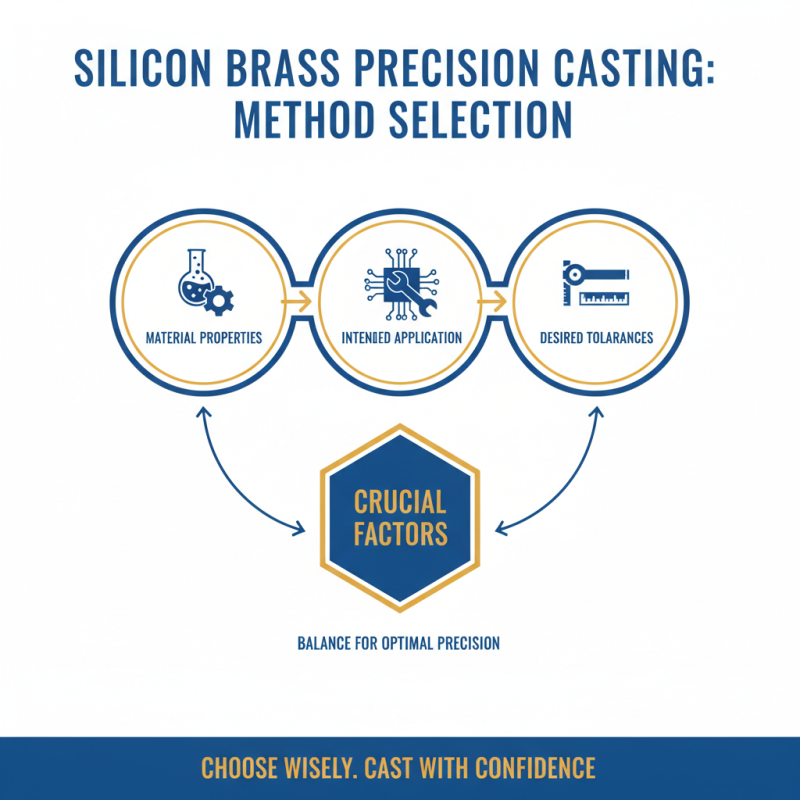
Choosing the right casting method for silicon brass precision is crucial. Many factors influence this decision. Material properties, intended application, and desired tolerances play significant roles. Precision casting requires a careful balance between these factors.
One must consider the complexity of the part. Intricate designs may benefit from investment casting. This technique captures fine details with precision. However, it's often more costly and time-consuming. Simpler components, on the other hand, can be produced efficiently through sand casting. It’s a quicker and less expensive option, but may sacrifice some detail.
Another key factor is the environmental impact. Some methods produce more waste than others. Evaluating the sustainability of a casting technique can lead to better choices. However, these considerations sometimes clash with budget constraints. Reflecting on these trade-offs can guide one toward the most suitable casting solution.
Comparing Common Precision Casting Techniques for Silicon Brass
When comparing precision casting techniques for silicon brass, several methods stand out. The main options include sand casting, investment casting, and die casting. Each of these methods has its strengths and weaknesses. For instance, sand casting is popular due to its versatility and cost-effectiveness. Yet, it may result in a rougher surface finish, requiring additional machining.
Investment casting offers high precision and intricate designs. It allows for beautiful finishes, which is often ideal for decorative applications. However, the process can be slower and more expensive than other techniques. On the other hand, die casting enables mass production with excellent dimensional accuracy. But it might not be suitable for larger or complex components due to limitations in mold design.
Ultimately, choosing the right technique depends on the specific requirements of your project. Consider factors like production volume, design complexity, and surface finish. Testing different methods can yield unexpected outcomes. Remember, there is no one-size-fits-all solution, and sometimes, trial and error leads to the best results.
Comparison of Precision Casting Techniques for Silicon Brass
Evaluating Costs and Benefits of Casting Techniques
Choosing the right silicon brass precision casting technique involves careful consideration of costs and benefits. The initial setup cost can vary significantly, ranging from $5,000 to over $100,000, depending on the complexity of the project. Smaller batches may lead to higher production costs per unit. For instance, a report from the International Journal of Advanced Manufacturing Technology highlights that small production runs can be 25-30% more expensive due to setup time.
Material waste is another critical factor. Techniques like investment casting can yield a tighter tolerance, reducing waste. This can lower overall costs over time. However, the challenges of machining leftover materials can complicate the process. Additionally, some methods require more skilled labor, which can lead to increased staffing costs. A survey shows that labor costs account for nearly 30% of total manufacturing expenses in precision casting industries.
Evaluating the time-to-market is equally crucial. Techniques that offer faster production cycles might have higher upfront costs. Still, they can be beneficial for projects with tight deadlines. According to industry reports, reducing lead times by even a week can enhance competitiveness. Yet, businesses must weigh these advantages against possible quality compromises. Often, balancing cost-effectiveness and quality can be challenging in casting projects.