Why Choose Pump Ss Precision Casting for Your Industrial Needs?
In today's competitive industrial landscape, precision is crucial. Choosing the right materials and manufacturing processes can significantly impact efficiency and durability. Pump Ss Precision Casting is a method that stands out. According to recent reports by the American Foundry Society, precision casting can increase production rates by up to 30% compared to traditional methods. This efficiency is vital for meeting rising demand in various sectors.
Industries like oil and gas, chemical processing, and water management rely heavily on precision-crafted components. By using Pump Ss Precision Casting, businesses can achieve better tolerance levels and reduce waste. However, some manufacturers still hesitate due to misconceptions about cost and complexity.
It is essential to address these concerns. While initial investments might seem high, the long-term savings and reliability make Pump Ss Precision Casting a smarter choice. Reports indicate that companies using precision casting experience a 20% reduction in maintenance costs. Ignoring this technology may result in subpar product performance and increased operational risks. Embracing precision casting is not just a choice; it's a necessary evolution in manufacturing.
The Advantages of Precision Casting in Pump Manufacturing
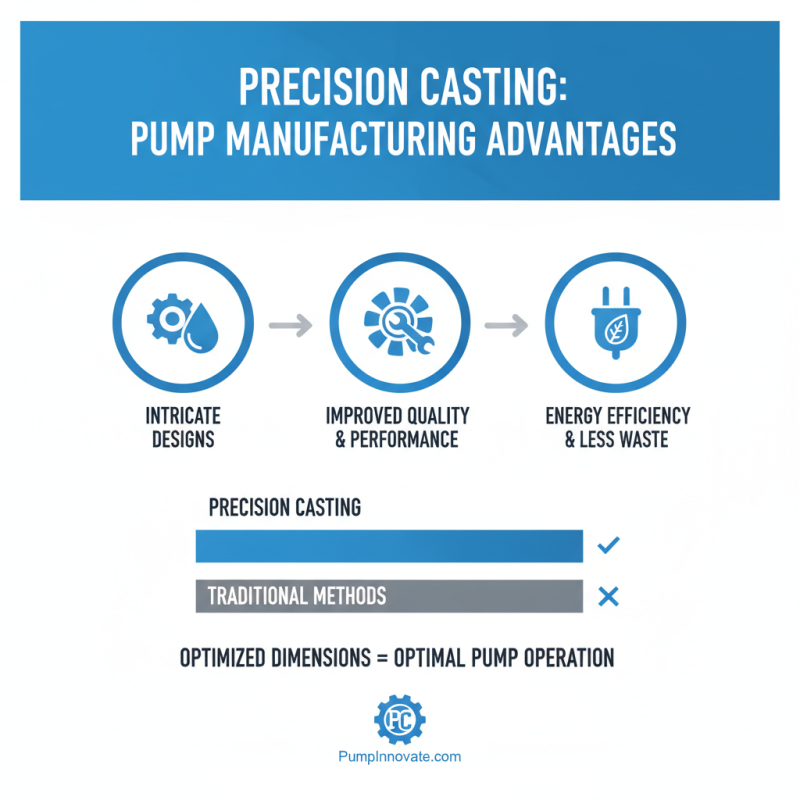
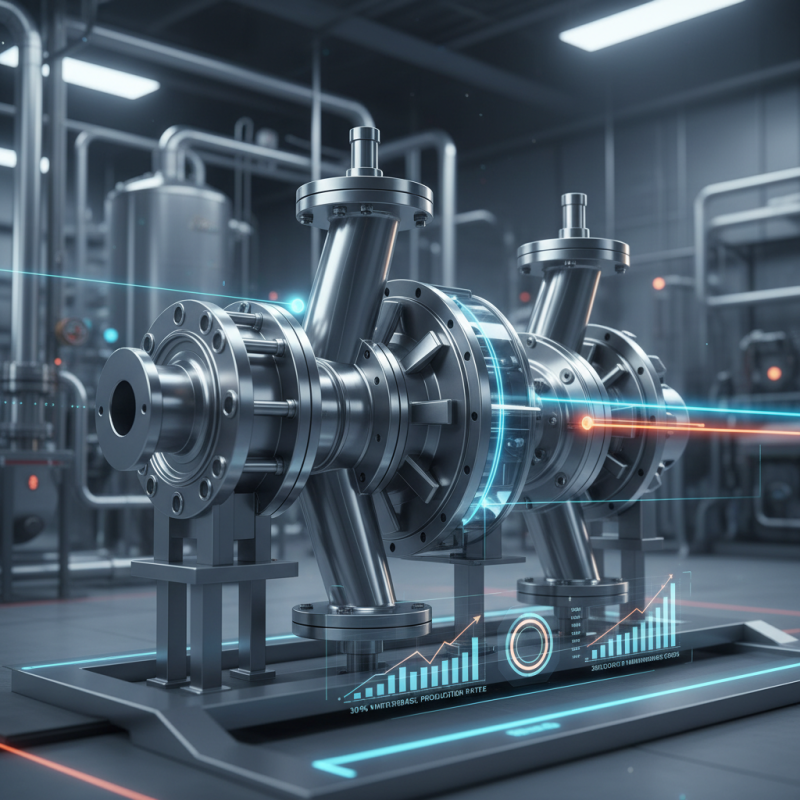
Precision casting has transformed the pump manufacturing industry. This method allows for intricate designs not achievable with traditional processes. The quality of cast parts can greatly influence a pump's performance. Precise dimensions ensure that pumps operate efficiently. This minimizes waste and optimizes energy use.
Moreover, precision casting offers improved material properties. Stronger alloys can withstand harsh environments. By utilizing advanced techniques, manufacturers can produce components that last longer. This is important in industries where downtime is costly. However, there are challenges. The initial costs may be high. Not every manufacturer has access to the latest technology. Some also struggle with scaling production to meet demand.
Investing in precision casting may require careful consideration. The benefits can be significant, but factors like quality control must be managed properly. Flaws in casting can lead to failures and costly repairs. It's essential to find a balance between innovation and practical challenges. This approach is vital in achieving operational success.
Understanding the Precision Casting Process for Industrial Applications
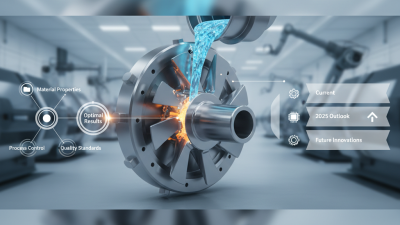
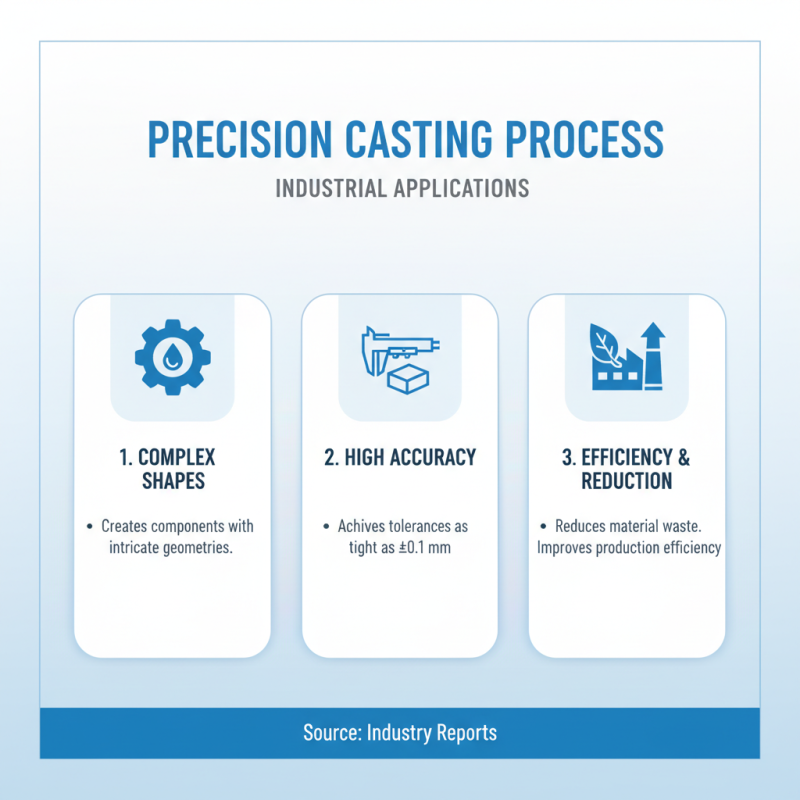
Precision casting is a vital process in modern industrial applications. It allows manufacturers to create complex shapes with high accuracy. According to industry reports, businesses using precision casting can achieve tolerances as tight as ±0.1 mm. This capability significantly reduces material waste and improves production efficiency.
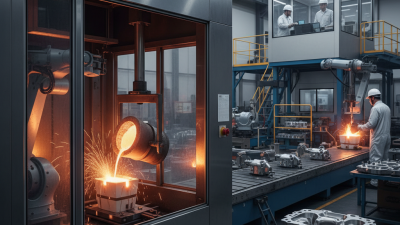
The casting process begins with a detailed mold creation. Typically, molds are made from high-quality materials like sand or metal. This helps withstand the high temperatures during molten metal pouring. The heat required can reach up to 1500°C. As the metal cools, it solidifies into the desired shape, retaining intricate details. However, achieving the perfect finish isn't always guaranteed. Sometimes, the cooling rate can affect the final product's strength and shape integrity.
Often, manufacturers must inspect castings for defects. Even minor imperfections can affect functionality. Studies show that nearly 5% of castings may need reworking. This reality forces companies to invest in quality control measures. Embracing new technologies, such as 3D printing for mold design, can enhance precision. It’s clear that while precision casting is efficient, it also poses challenges that require ongoing attention.
Key Industry Statistics on Pump Efficiency and Performance
Choosing precision casting for pump manufacturing aligns with the industry's growing demand for efficiency and performance. Recent statistics indicate that well-designed pumps can achieve over 90% efficiency, significantly reducing energy costs. These figures highlight the importance of selecting the right materials and casting techniques. However, not all casting methods yield the same performance levels. This variation can leave some manufacturers questioning their choices.
Efficiency is not just about design; it also involves material properties. Precision casting allows for intricate designs that can enhance fluid dynamics. The right choices in casting can lead to smoother flow and better performance. However, there are risks involved. If the casting process is flawed, it can lead to micro-defects, affecting pump reliability. This aspect requires careful consideration and constant monitoring.
You might think that precision means perfection. Yet, sometimes, imperfections provide opportunities for improvement. Each batch produced can vary, necessitating adjustments in the design or material used. Emphasizing quality control is essential. While precision casting presents many benefits, manufacturers must remain vigilant to ensure their pumps perform as expected. This ongoing process of reflection and improvement is what drives the industry forward.
Pump Efficiency and Performance Overview
This chart illustrates key performance metrics of industrial pumps, including efficiency percentage, power consumption in kilowatts, flow rate in cubic meters per hour, and head in meters. Understanding these metrics is crucial for optimizing pump selection and enhancing industrial processes.
Material Selection in Pump Ss Precision Casting: Benefits and Options
When it comes to pump SS precision casting, material selection is crucial. The right materials significantly influence performance and durability. Stainless steel is favored for its corrosion resistance and strength. It withstands harsh environments and prolongs the lifespan of pumps. Depending on specific needs, different grades of stainless steel can be chosen. Each grade offers varying levels of resistance to elements.
However, material selection is not always straightforward. There are trade-offs to consider. Some materials might be more cost-effective but may not endure extreme conditions. It's vital to assess the operational environment. An incompatible material choice could lead to failures, increasing downtime.
Reflection on the decisions made during the material selection process is essential. Evaluating failures and successes can guide future choices. Understanding the right balance of properties and costs is not easy but necessary. This careful consideration ensures that the pump system performs optimally, meeting industrial demands effectively.
Comparative Cost Analysis of Precision Casting Versus Traditional Methods
When considering the cost of manufacturing, precision casting often stands out. It offers better accuracy than traditional methods. This precision can reduce material waste significantly. In many cases, this translates into savings for companies. Yet, it’s important to analyze your specific needs. Costs can vary, and sometimes traditional methods may be more suitable for simple parts.
Tips for cost analysis: always consider your production volume. For high volumes, precision casting can lower unit costs. However, for smaller batches, traditional methods may be more economical. Evaluate your long-term goals, too. If you need intricate designs, the initial investment in precision casting can pay off over time.
Sometimes, companies overlook hidden costs. Tools and labor can add up quickly in traditional methods. Precision casting may require less machining, leading to lower costs overall. Often, businesses hesitate to shift from familiar processes. This hesitation can stifle innovation. Adapting to new methods may bring unforeseen advantages, even if the transition appears daunting at first.
Why Choose Pump Ss Precision Casting for Your Industrial Needs? - Comparative Cost Analysis of Precision Casting Versus Traditional Methods
| Method |
Production Time (Days) |
Material Waste (%) |
Unit Cost (USD) |
Durability (Years) |
Complexity Handling (Rating 1-5) |
| Precision Casting |
10 |
5 |
15 |
20 |
5 |
| Sand Casting |
15 |
10 |
12 |
15 |
3 |
| Investment Casting |
20 |
3 |
20 |
25 |
4 |
| Die Casting |
12 |
2 |
18 |
30 |
4 |
| Forging |
25 |
7 |
30 |
40 |
3 |