How to Choose Pump Ss Precision Casting for Your Business Needs?
When selecting components for industrial applications, the choice of materials is crucial. One effective solution is Pump Ss Precision Casting. This method offers durability and strength, enhancing operational efficiency. The casting process involves shaping molten stainless steel into precise forms, resulting in parts that meet exact specifications.
However, the selection process isn't straightforward. Businesses often face dilemmas regarding quality versus cost. Opting for Pump Ss Precision Casting may seem expensive initially. Yet, the long-term benefits, such as reduced maintenance and longevity, often justify the investment.
It is essential to consider your specific operational requirements. Not all applications demand the same level of precision or resilience. Some businesses may overlook unique needs, leading to improper choices. Understanding the intricacies of Pump Ss Precision Casting will ultimately guide you toward optimal solutions, ensuring reliability and performance for your operations.
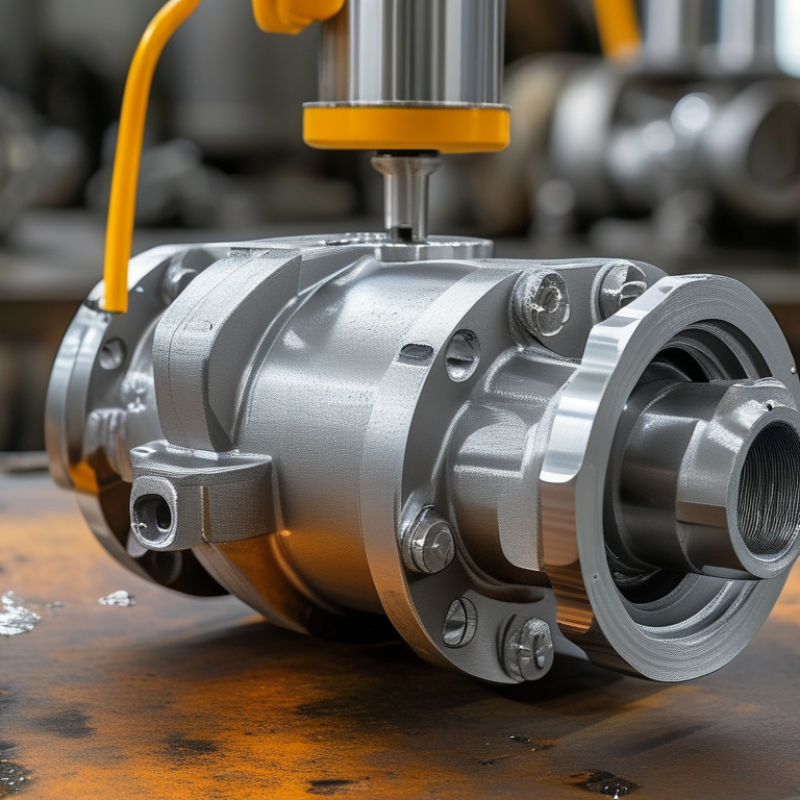
Understanding the Fundamentals of SS Precision Casting for Pumps
When selecting stainless steel (SS) precision castings for pumps, understanding the basics is crucial. SS precision casting offers high resistance to corrosion and wear, essential for pump efficiency. According to a report by the American Foundry Society, over 80% of industrial pumps utilize precision cast components for better performance. This data underscores the importance of quality in material selection.
Moreover, the dimensional accuracy of SS castings significantly impacts pump operation. A study from the International Journal of Advanced Manufacturing Technology highlights how even minute discrepancies can lead to inefficiencies or failures. For example, a misalignment of just 0.5 mm can reduce a pump's life by 20%. This emphasizes the need for precision in the casting process.
However, not all SS castings are created equal. Variations in manufacturing methods can result in different material properties. It's vital to assess the foundry's capabilities and experience. Inconsistent practices can lead to unpredictable results. Engaging with industry experts can provide insights into best practices for selecting SS precision castings that align with your business requirements.
Key Factors to Evaluate: Material Properties and Performance Metrics
When selecting pump stainless steel precision casting for your business, examining material properties is crucial. Stainless steel offers excellent corrosion resistance and durability. These properties ensure long service life in harsh environments. Also, consider the specific grade of stainless steel. Different grades provide varying mechanical strengths and resistance levels. Choosing the right grade is vital for performance.
Performance metrics are equally important. Evaluate factors like tensile strength, yield strength, and elongation. These metrics determine how well the casting can withstand operational stresses. Additionally, assess the dimensional accuracy of the casting. High precision ensures that components fit together properly, reducing the risk of failure.
Think about the manufacturing process as well. Casting methods impact the final product's quality. Some techniques produce finer details while others may lead to imperfections. Reflect on these aspects carefully. Selecting the right casting involves understanding both material properties and performance metrics. Strive for balance in your choices to meet the unique needs of your operation.
How to Choose Pump Ss Precision Casting for Your Business Needs?
| Material Type |
Tensile Strength (MPa) |
Yield Strength (MPa) |
Density (g/cm³) |
Hardness (HB) |
Corrosion Resistance |
| SS304 |
505 |
215 |
8.0 |
160 |
Good |
| SS316 |
580 |
290 |
8.0 |
170 |
Excellent |
| SS321 |
550 |
215 |
8.0 |
158 |
Good |
| SS430 |
480 |
290 |
7.7 |
150 |
Moderate |
Industry Standards: ISO and ASTM Specifications for Pump Castings
When selecting pump SS precision castings, understanding industry standards is crucial. The International Organization for Standardization (ISO) provides guidelines that ensure quality and reliability. Pumps need to perform well under various conditions. ISO standards cover material properties, dimensional tolerances, and performance criteria. Familiarity with these standards is essential for manufacturers and buyers alike.
The ASTM (American Society for Testing and Materials) also plays a significant role in setting specifications for castings. ASTM outlines testing methods and material classifications. Adhering to ASTM standards helps in assessing durability and performance. For instance, the choice of stainless steel grades is guided by these specifications. Proper selection influences corrosion resistance and overall lifespan.
Yet, navigating these standards can be overwhelming. Many businesses underestimate the importance of precise specifications. They may overlook how a minor deviation can impact performance. Relying solely on suppliers without understanding these details can lead to costly mistakes. Investing time in research is vital.
Comparative Analysis: SS Precision Casting vs. Alternative Manufacturing Methods
When considering SS precision casting, it’s vital to understand how it compares to alternative manufacturing methods. SS precision casting provides superior dimensional accuracy and excellent surface finish. This leads to fewer post-processing requirements, saving both time and money. In contrast, methods like machining can introduce tolerances that may hinder product performance.
Casting allows for complex geometries that would be challenging and costly to produce through traditional machining. A well-designed casting can eliminate the need for several individual parts. Alternatively, fabrication methods often involve welding and assembly, which can compromise integrity and strength. An evaluation of your product's design can reveal the benefits of precision casting over these alternatives.
**Tips:** Assess your product specifications early. Identify tolerances required for functionality. Understand your production volume needs, as larger runs justify investment in precision casting. Plan for potential design changes down the line—flexibility is key. If your design is complex, precision casting may offer savings in both material and time. Explore different methods and reflect on the trade-offs with each to select the best option for your business needs.
Cost-Benefit Analysis: Long-Term Value of Investing in Quality Casting Solutions
When considering pump SS precision casting for your business, performing a cost-benefit analysis is crucial. Investing in quality casting solutions may seem daunting initially due to higher upfront costs. However, the long-term value often outweighs those short-term expenses. Quality castings usually result in enhanced durability and reduced maintenance, leading to significant savings over time.
It's vital to evaluate how frequently you will need replacements. A cheaper option might save money now but could lead to more frequent failures. This inconsistency can disrupt operations, costing much more in the long run. High-grade materials might require a higher investment, yet their lifespan often justifies the cost. Rethinking your business priorities can shed light on the importance of reliability over initial savings.
Moreover, consider the implications of improper casting on your overall operations. Poor quality can lead to inefficiencies and increased downtime. That could be a red flag for your business's reputation. Therefore, thorough research and careful selection of casting solutions can yield beneficial outcomes.
Plan your budget with an eye on long-term efficiency and productivity. Quality should never be underestimated in the quest for cost-effective operations.