Why Choose Copper Precision Casting for Your Business Needs?
Copper Precision Casting is becoming increasingly vital for many industries. According to a recent report by MarketsandMarkets, the global precision casting market is expected to reach USD 35 billion by 2028. This growth highlights the significance of precision casting technology in today's manufacturing landscape.
Expert John Smith, a leading authority in metal casting, emphasizes, "Choosing the right casting method can significantly impact product quality and production efficiency." This statement underscores the integral role that Copper Precision Casting plays. Its unique properties, such as high conductivity and resistance to corrosion, make it ideal for electrical applications and complex geometric parts. However, businesses must consider potential challenges, such as initial investment costs and the need for skilled labor.
Despite these obstacles, the benefits are clear. Copper Precision Casting not only enhances product performance but also supports sustainability efforts through reduced material waste. As industries evolve, the strategic adoption of Copper Precision Casting could be the key to maintaining competitive advantage and operational excellence.
Benefits of Copper Precision Casting for Industrial Applications
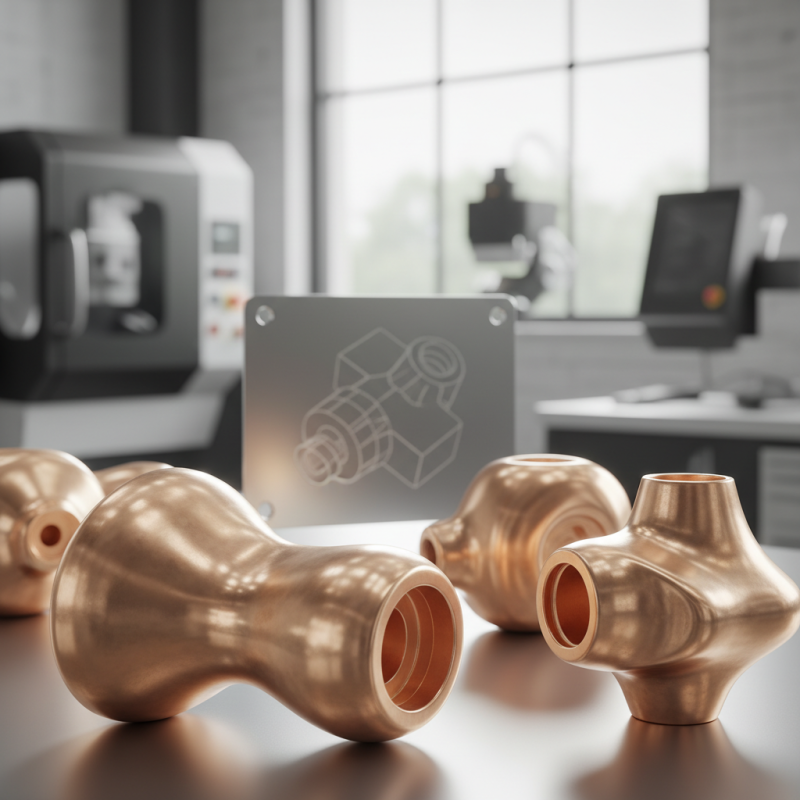
Copper precision casting offers unique advantages for industrial applications. This method ensures high accuracy and intricate designs, essential for modern manufacturing needs. The melting point of copper allows for precise control during the casting process, resulting in products with excellent dimensional accuracy. Industries can create complex geometries that would be difficult to achieve with other materials.
The thermal and electrical conductivity of copper is unmatched. This makes copper precision cast components ideal for electronics and electrical applications. Additionally, copper's corrosion resistance enhances the longevity of components, which is critical in harsh industrial environments. However, the casting process does require skilled labor to navigate its challenges. Ensuring that the molds are prepared correctly is a vital step. Flaws in the mold can lead to defects, impacting the final product.
Implementing copper precision casting also requires careful planning and execution. While the benefits are significant, the initial setup costs can be high. Businesses must weigh these factors against the potential for increased efficiency and product quality over time. Investing in copper casting can yield superior results, but it necessitates a clear understanding of the production process and potential pitfalls.
Comparison of Copper Precision Casting with Other Materials
When comparing copper precision casting to other materials, several factors come into play.
Copper’s superior thermal and electrical conductivity makes it a preferred choice in industries like electronics and plumbing.
Unlike aluminum or plastic, copper can handle high temperatures without degrading. This durability ensures long-lasting performance in demanding environments.
Cost is another key consideration. While copper may have a higher upfront cost than some alternatives,
it often leads to lower maintenance expenses.
Tools and components made from copper tend to require less frequent replacement. Some businesses may overlook this aspect
and focus solely on initial investment. Yet, investing in copper can yield significant savings over time.
Additionally, the precision of copper casting techniques allows for intricate designs that enhance functionality.
This level of detail may not be achievable with stainless steel or ceramic materials.
However, sourcing high-quality copper can be a challenge. Not all suppliers meet stringent industry standards.
Businesses must exercise diligence when evaluating their options.
Key Processes Involved in Copper Precision Casting
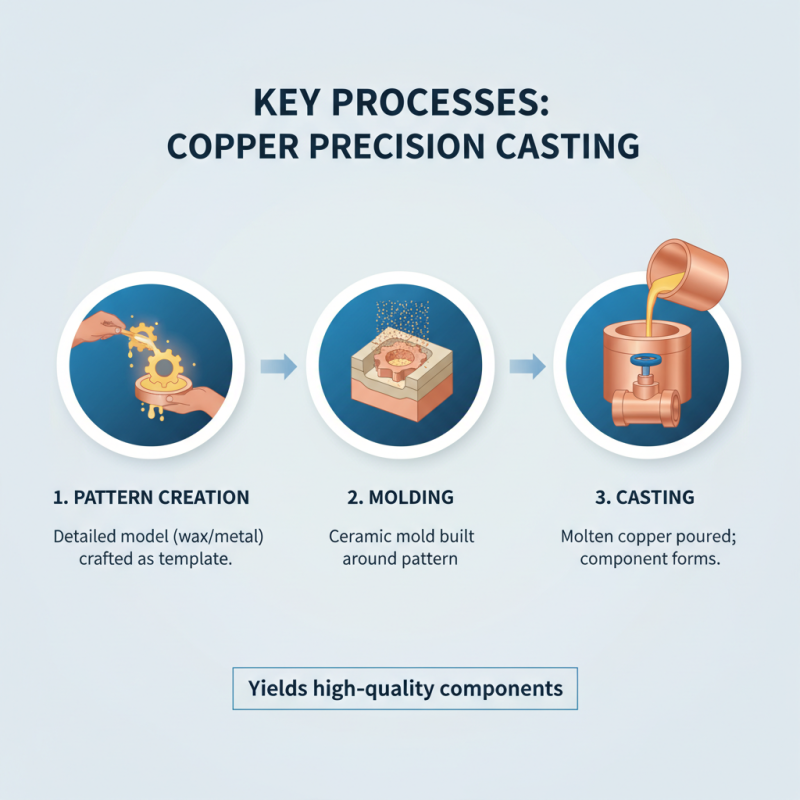
Copper precision casting is an intricate process that yields high-quality components. The primary steps in the process are pattern creation, molding, and casting. In the pattern creation stage, a detailed model is crafted, usually in wax or metal. This model becomes the template for the mold.
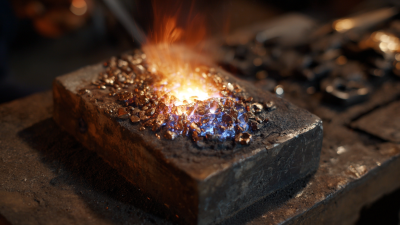
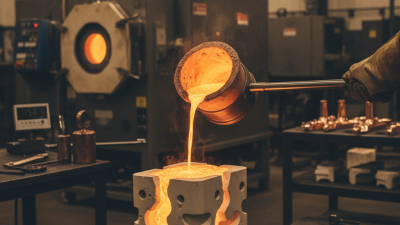
Once the pattern is ready, it undergoes molding. This involves encasing the pattern in a material that can withstand high temperatures. Sand or ceramic materials are common choices. The next critical step is the casting itself. Molten copper is poured into the prepared mold to form the final product. This step demands precision and control.
Post-casting, the components often require finishing touches. These may include machining or polishing for a smoother surface. While the process is generally reliable, it can sometimes lead to imperfections such as air pockets or inaccuracies in dimensions. Regular inspections and adjustments are essential for optimal results. Adopting best practices can minimize these flaws and enhance the quality of the final products.
Common Industries Utilizing Copper Precision Casting
Copper precision casting serves various industries, known for its durability and thermal conductivity. The electronics sector is a major user. According to a report by MarketsandMarkets, the copper casting market is projected to grow at a compound annual growth rate (CAGR) of 5.2% from 2021 to 2026. This growth highlights the increasing demand for copper components in electronic devices.
The automotive industry also relies heavily on copper precision casting. Components like connectors, radiators, and engine parts often utilize copper. The European Automobile Manufacturers Association (ACEA) states that over 30% of a vehicle's body integrated electrical circuits consist of copper. This illustrates the metal's crucial role in vehicle efficiency and performance.
Another significant area is the aerospace industry, which demands high-quality, lightweight parts. Copper's strength and conductivity make it ideal for various applications, including wiring and fittings. Challenges exist, such as ensuring consistent quality and reducing production costs. Addressing these can enhance the overall efficiency of copper casting in critical industries.
Cost Efficiency and Sustainability of Copper Precision Casting
Copper precision casting stands out for its impressive cost efficiency and commitment to sustainability. This manufacturing technique offers excellent detail and durability, reducing waste compared to traditional methods. Copper’s inherent properties mean it can be reused, enhancing the sustainability aspect.
Choosing copper means you're opting for longevity. You will save money in the long run with fewer replacements required. Copper’s thermal and electrical conductivity also makes it ideal for various applications, reducing energy costs. However, consider the initial investment carefully; it may seem high, but the quality justifies the expense over time.
Tip: Research local suppliers who specialize in copper casting. Their expertise can help optimize your production process.
Keep in mind that not every project is suited for copper. Each project's specific needs should influence your material choice. Failure to assess these needs can lead to unexpected expenses and delays. Reassessing your material choices can ultimately enhance efficiency and sustainability.