Stainless Steel Precision Casting Benefits for Global Buyers?
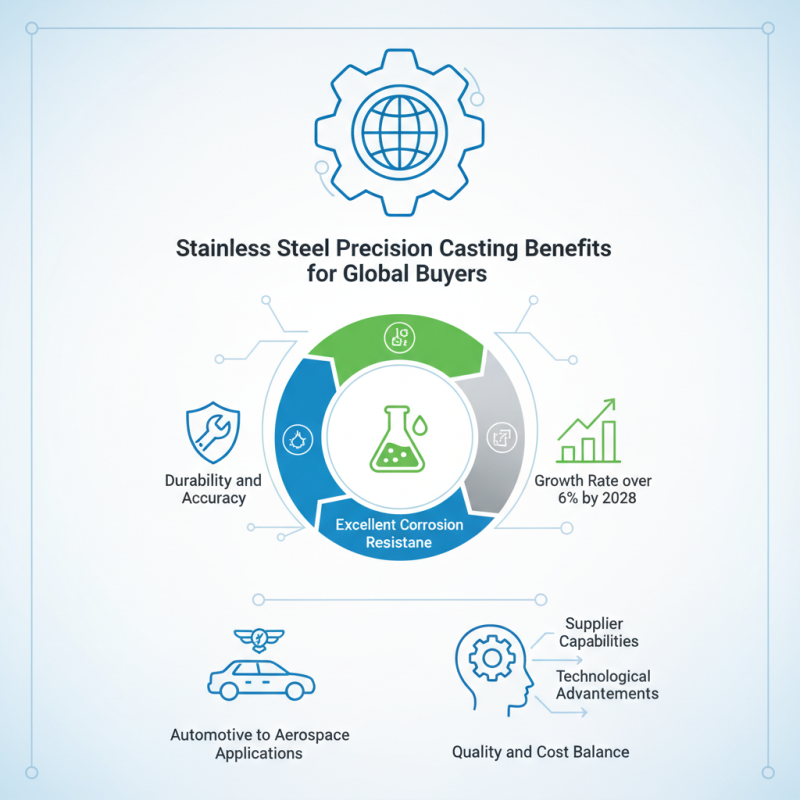
In the global manufacturing landscape, the demand for Stainless Steel Precision Casting continues to rise. This technique offers durability, accuracy, and excellent corrosion resistance. A recent report from Industry Research forecasts a growth rate of over 6% in this sector by 2028. Such growth highlights the increasing importance of stainless steel in various applications, from automotive to aerospace.
Experts have expressed strong opinions on the relevance of stainless steel precision casting. Dr. Mark Thompson, a leading authority in materials engineering, states, "The evolution of stainless steel casting techniques greatly enhances product quality and reduces production costs." His insights emphasize the role of advanced methodologies in boosting efficiency.
While the benefits are clear, challenges exist in achieving the desired precision and quality. Buyers must consider supplier capabilities and technological advancements. Not all manufacturers can meet rigorous standards, and selecting the right partner is vital. Balancing cost and quality is an ongoing challenge that requires careful thought. Ultimately, understanding the nuances of Stainless Steel Precision Casting can lead to strategic advantages for global buyers.
Stainless Steel Precision Casting: An Overview of Key Benefits
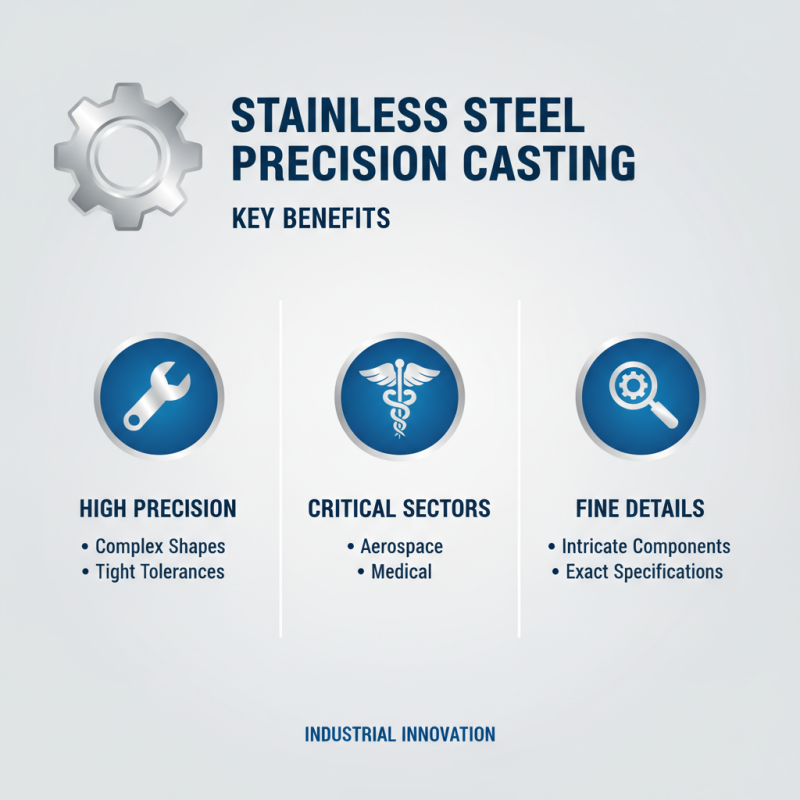
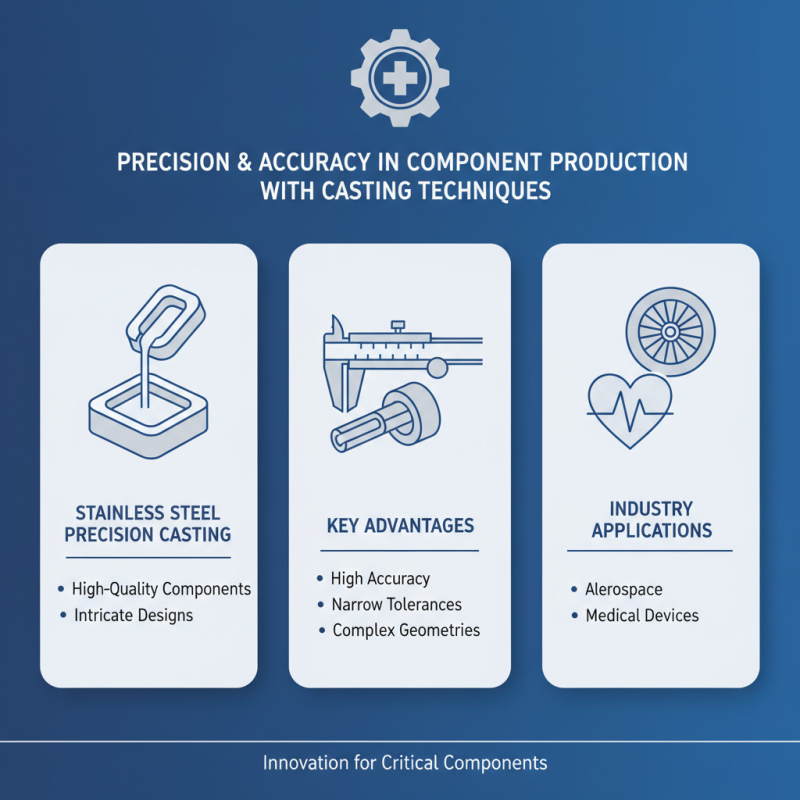
Stainless steel precision casting offers several key benefits, making it an attractive choice for many industries. This method allows for high precision in creating complex shapes. It caters to the stringent specifications often required in sectors like aerospace and medical manufacturing. Components produced through this process exhibit tight tolerances and fine details.
One significant advantage is the durability of stainless steel. It resists corrosion and maintains structural integrity under various conditions. However, the initial investment can be substantial, which may deter some buyers. Yet, the long-term savings from reduced maintenance often outweigh this concern. Precision casting also minimizes material waste, making it an environmentally friendly option.
Moreover, flexibility in design is another benefit of this method. Buyers can achieve unique geometries that were previously challenging to create. This opens up innovative possibilities for product development. Though challenges may arise in optimizing the casting process, the benefits often shine through. It remains essential for companies to conduct thorough evaluations before committing to precision casting.
Cost-Effectiveness of Stainless Steel Precision Casting for Manufacturers
Stainless steel precision casting offers significant cost-effectiveness for manufacturers. This process allows for the creation of complex shapes with minimal waste. By using advanced techniques, manufacturers can save on material costs. Precision casting requires less machining, which also reduces production time.
The durability of stainless steel enhances the value of these castings. They resist corrosion and wear, leading to longer product lifespans. This reliability means fewer replacements and maintenance costs. Manufacturers, therefore, benefit from reduced long-term expenses.
However, it's essential to recognize some challenges. The initial investment in technology can be high. Some manufacturers may hesitate to adopt precision casting without adequate training. Businesses need to weigh their options carefully. Embracing this method could mean rethinking processes for better efficiency. The overall benefits can outweigh the initial obstacles, leading to sustainable growth.
Durability and Corrosion Resistance: Advantages of Stainless Steel
Stainless steel is well-regarded for its durability. Its unique composition makes it resistant to rust and corrosion. This quality is crucial for industries where materials face harsh environments. The strength of stainless steel ensures longevity, reducing the need for frequent replacements. For buyers, investing in durable materials often translates to cost savings over time.
Corrosion resistance is another significant benefit. Stainless steel can withstand exposure to moisture and chemicals. This makes it ideal for food processing, marine applications, and even medical instruments. Buyers seeking reliable components should consider these properties. However, not all stainless steel is created equal. Understanding the different grades is essential for optimal performance.
While the advantages are clear, challenges exist. Some might consider the initial costs high compared to other materials. It’s crucial to evaluate long-term benefits versus short-term expenses. Making informed decisions is key in choosing the right materials for specific applications. A thoughtful approach can lead to better outcomes in material selection and sourcing.
Sustainability Benefits of Using Stainless Steel in Global Markets
Stainless steel offers notable sustainability advantages for global markets. It is highly durable and corrosion-resistant. This material can last for decades, reducing the need for frequent replacements. Durable products lead to less waste and a lower environmental footprint.
The production process of stainless steel supports recycling. It is often made from recycled scrap metal, minimizing resource extraction. This not only conserves natural resources but also significantly reduces energy consumption during production. Companies that utilize stainless steel can appeal to environmentally conscious consumers.
However, challenges exist in the global supply chain. Transportation emissions can offset some sustainability gains. Additionally, the energy-intensive nature of steel production raises concerns. Reflecting on these issues is crucial for a more sustainable future. Companies must strive for transparency and continuous improvement in their processes.