2026 Top Trends in Silica Sol Investment Casting Technology?
In the rapidly evolving landscape of manufacturing, the "Silica Sol Investment Casting" sector is seeing remarkable growth. Dr. Emma Chen, a leading expert in this field, emphasizes, "The future of casting lies in the adaptability of Silica Sol processes." This highlights the potential shifts approaching in the coming years. As businesses strive for precision, the demand for advanced technologies in casting is rising.
Silica Sol Investment Casting is transforming manufacturing. Its precision and efficiency are superior to traditional methods. However, challenges remain. Some manufacturers struggle to adopt these new technologies effectively. They often rely too heavily on old practices rather than embracing innovation. This hesitation could hinder progress in the industry.
Additionally, the market is competitive. Companies investing in Silica Sol must stay ahead of trends. Keeping up with emerging technologies requires continual learning and adaptation. The potential benefits are immense, but risks also exist. Investing in conducive technologies presents both opportunities and challenges for the future of Silica Sol Investment Casting.

2026 Silica Sol Investment Casting: Market Overview and Growth Projections
The silica sol investment casting market is undergoing significant transformation. As technological advancements shape production processes, the demand for precision and quality rises. This method allows for complex geometries that traditional casting struggles to achieve. Manufacturers are exploring innovative techniques to optimize casting accuracy while reducing overall costs.
In 2026, the global market is projected to witness substantial growth. Factors driving this include an increase in automotive and aerospace sectors. These industries require high-performance components, and silica sol casting meets those needs effectively. However, challenges persist in managing costs and ensuring consistent quality.
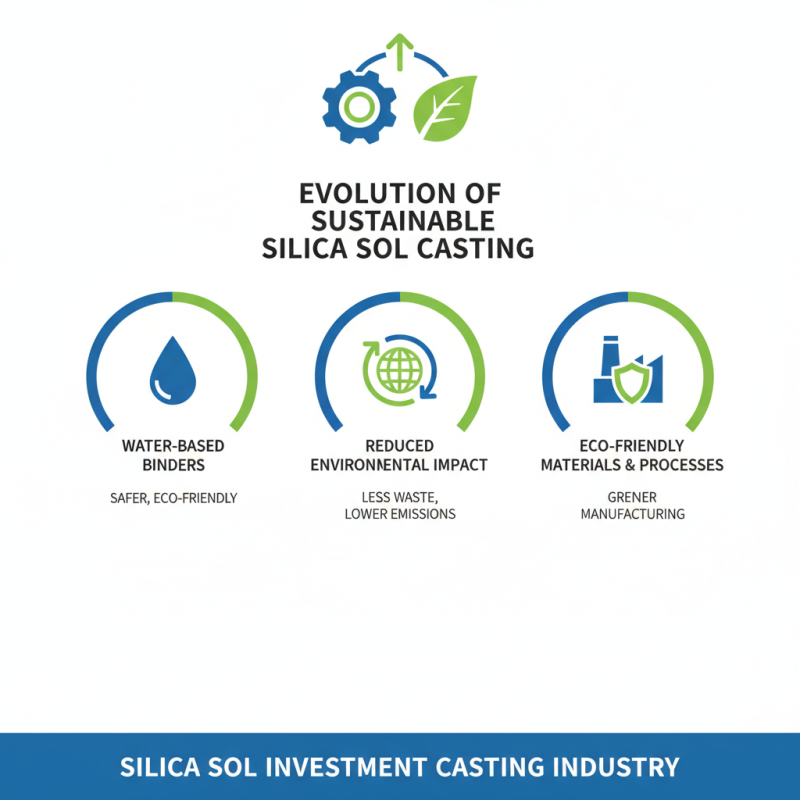
Sustainability considerations are becoming crucial as well. Many manufacturers are reflecting on their environmental impact. The shift towards eco-friendly materials will be necessary to remain competitive. This evolving landscape offers both opportunities and uncertainties for stakeholders. Strategic planning will become essential to navigate the complexities of this market.
Key Technologies Driving Innovation in Silica Sol Investment Casting
In 2026, **silica sol investment casting** is set to transform the manufacturing landscape. Key technologies are emerging to drive innovation in this field. These advancements focus on improving precision and surface finish. High-performance coatings are being developed to enhance durability. This is crucial for applications in various industries.
The integration of **artificial intelligence** is refining the design process. AI algorithms optimize casting patterns. This reduces material waste and improves efficiency. However, some companies struggle with implementation. It requires a cultural shift and investment.
New materials are also gaining attention. Advanced silica sol formulations are promising better mechanical properties. Yet, testing these materials is challenging. Developers must ensure scalability while maintaining quality. Collaboration among researchers and manufacturers is essential. This will lead to shared insights and advancements. The path ahead might seem complex, yet it is ripe for exploration.
Comparative Analysis of Silica Sol vs. Traditional Investment Casting Methods
In recent years, the casting industry has seen a significant shift.
Silica sol investment casting technology is gaining traction.
It offers distinct advantages over traditional methods. One major difference is the binder used in silica sol.
Traditional casting typically employs a starch or resin binder.
These can lead to surface imperfections that affect the final product. Silica sol, on the other hand, creates smoother surfaces and finer details.
However, it's worth considering the challenges of silica sol casting. The process can be more sensitive to environmental conditions.
Humidity and temperature fluctuations can impact the results. This introduces variability in manufacturing that some traditional methods do not face.
Also, the initial costs for silica sol setups might be a concern for smaller operations. Balancing quality with production efficiency remains a delicate matter.
Another aspect to think about is the material waste generated during casting.
Traditional methods often lead to more discarded materials. Silica sol technology promises reduced waste, yet it’s essential to analyze actual performance critically.
The transition to this method isn’t without hurdles, such as the learning curve involved.
There are positives, but companies must remain vigilant and adaptable.
Future Challenges and Opportunities in Silica Sol Investment Casting Technology
The future of silica sol investment casting technology presents both challenges and opportunities. According to a recent market report, the global silica sol market is projected to grow at a compound annual growth rate (CAGR) of 5.2% over the next five years. This growth signals a rising demand for high-quality castings, particularly in industries like aerospace and automotive. However, the technology still faces hurdles.
One significant challenge lies in the cost of raw materials. Silica sol production is energy-intensive and can sharply increase production costs. Recent studies indicate that 30% of manufacturers cite rising raw material prices as a critical barrier to innovation. Additionally, sustainability remains a pressing issue. Many manufacturers are under pressure to adopt eco-friendly practices. The shift towards greener technologies may require substantial investments, which not all companies can manage.
On the upside, advancements in materials science could lead to improved formulations. Researchers are exploring alternative materials that could reduce costs and enhance casting performance. Furthermore, as the industry evolves, automation may play a crucial role. Integrating smart technologies could drastically improve efficiency and reduce human error. Embracing these changes may not be easy, but they offer a pathway to resilience. Adapting to these trends may determine future success in the competitive landscape of investment casting.
2026 Top Trends in Silica Sol Investment Casting Technology
| Trend |
Description |
Opportunities |
Challenges |
| Automation in Casting Processes |
Increasing use of automation technologies to improve efficiency and reduce costs. |
Higher production rates and lower labor costs. |
Initial investment costs and technology integration. |
| Sustainability Practices |
Adoption of eco-friendly materials and energy-efficient processes. |
Access to green funding and market differentiation. |
Compliance with regulations and potential cost increases. |
| Advancements in Material Science |
Development of new silica sol formulations for better performance. |
Enhanced product quality and new market applications. |
Research and development costs and transition challenges. |
| Digital Transformation |
Incorporation of IoT and data analytics for process optimization. |
Improved insights and decision-making capabilities. |
Data security concerns and skill gaps in the workforce. |
| Customization and Precision Casting |
Increasing demand for customized solutions in various industries. |
Higher profit margins and customer satisfaction. |
Longer lead times and inventory management issues. |