2026 Best Soluble Wax Investment Casting Trends for Buyers?
In the dynamic world of manufacturing, 2026 promises to bring exciting trends in Soluble Wax Investment Casting. Renowned expert Dr. Emily Carter emphasizes the evolving landscape, stating, "Innovation in casting materials can redefine product quality." As industries lean into advanced techniques, Soluble Wax Investment Casting stands out for its precision and efficiency.
The growing focus on sustainability enhances the importance of this casting method. Soluble waxes allow for complex geometries without compromising structural integrity. Moreover, they significantly reduce material waste, aligning with eco-friendly manufacturing goals. Yet, challenges remain. Not all manufacturers utilize these innovations effectively, leading to inconsistencies in product quality.
Buyers must stay informed about the latest advancements. Understanding the intricacies of Soluble Wax Investment Casting will empower them to make educated decisions. This journey requires reflection on current practices and an openness to innovations. Only then can they truly harness the potential of this remarkable casting technique.
2026 Market Overview of Soluble Wax Investment Casting
The soluble wax investment casting market is evolving rapidly. By 2026, this industry is expected to see significant advancements. Manufacturers increasingly focus on enhancing product quality and efficiency. The rise in demand for lightweight and intricate designs drives innovation. Soluble wax, known for its ability to melt away easily, plays a crucial role in these developments.
Buyers should note the importance of selecting reliable suppliers. The expertise of manufacturers can greatly influence casting precision. Many companies are exploring eco-friendly materials to meet sustainability goals. It’s not just about cost; quality assurance becomes crucial. Buyers may find themselves navigating a complex landscape of options.
Adopting new technologies is also essential. However, some manufacturers may struggle with implementation. High initial costs often deter smaller enterprises from upgrading. Effective training programs can help bridge this gap. To thrive in this competitive market, staying informed is key. Exploring industry trends and developments is necessary for strategic decision-making.
Key Benefits of Soluble Wax in Investment Casting Processes
Soluble wax plays a crucial role in the investment casting process. It serves as a reliable pattern material, offering unique advantages. The ability to dissolve in specific solvents allows for easy mold retrieval. This method significantly reduces waste and enhances productivity in manufacturing.
According to recent industry reports, the use of soluble wax in investment casting has increased by 15% over the past three years. This growth reflects its cost-efficiency and simplicity. Manufacturers appreciate how soluble wax can achieve intricate designs without compromising quality. The precision of these castings meets the demanding standards of aerospace and medical industries.
However, some challenges exist using soluble wax. The temperature control during the melting process must be accurate. Deviations can lead to incomplete melting and defects in the final product. A careful approach is essential to maintain efficiency. Despite these potential pitfalls, the benefits often outweigh the drawbacks, making soluble wax a valuable choice for many buyers in the casting sector.
Emerging Technologies in Soluble Wax Production
Emerging technologies in soluble wax production are reshaping the investment casting landscape. Advances in material science have led to the development of new wax formulations. These innovations enhance melting properties and improve surface finish. As a result, manufacturers can achieve tighter tolerances in their castings.
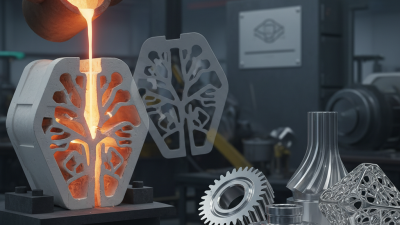
Recently, 3D printing has entered the scene. This technology allows for more complex geometries that were previously difficult with traditional methods. It enables the creation of intricate patterns using soluble waxes, minimizing waste. However, this integration poses challenges. Companies must adapt their processes and ensure the quality of the final products remains high.
Research into biocompatible waxes is also gaining momentum. These materials offer an environmentally friendly alternative. While promising, their performance in high-stress applications still requires further validation. As the industry evolves, stakeholders must remain vigilant. Continuous improvements and adaptations are essential to fully leverage these emerging technologies.
2026 Best Soluble Wax Investment Casting Trends for Buyers
| Trend |
Description |
Potential Benefits |
Challenges |
Future Outlook |
| Biodegradable Soluble Wax |
Development of eco-friendly soluble wax materials. |
Reduced environmental impact and compliance with regulations. |
Higher production costs and limited availability. |
Increasing demand will encourage innovation and scalability. |
| 3D Printing Integration |
Utilization of soluble wax in 3D printing processes. |
Enhanced design flexibility and reduced waste. |
Technical challenges in compatibility and material properties. |
Future growth driven by advancements in 3D printing technology. |
| Smart Wax Materials |
Innovative wax that can respond to environmental stimuli. |
Potential applications in adaptive manufacturing systems. |
Complex manufacturing process and high costs. |
Long-term research and development will be critical. |
| Increased Customization |
Greater ability for buyers to specify parameters of soluble wax. |
Tailored solutions for specific applications and industries. |
Balancing demand with production capabilities. |
Customization expected to drive competitive advantage. |
| Automation in Production |
Increased use of automation technologies in wax production. |
Higher efficiency and reduced labor costs. |
Initial investment in technology may be substantial. |
Future advancements in robots and AI will enhance automation. |
Sustainability Trends in Wax Investment Casting Materials
The trend toward sustainability in wax investment casting materials is gaining momentum. As industries face increasing pressure to reduce their environmental footprint, sustainable practices are becoming a priority. According to a 2022 report by Global Data, nearly 70% of companies in the manufacturing sector are prioritizing eco-friendly materials. This shift is evident in the use of biodegradable waxes and the incorporation of recycled materials.
The demand for eco-conscious solutions is driving innovation. Manufacturers are exploring alternatives to traditional waxes, which often rely on petroleum-based components. Research indicates that using plant-based waxes can lower carbon emissions by up to 30%. However, challenges remain. The availability of sustainable materials can be limited, impacting scalability. Moreover, maintaining casting quality while using these new materials is a critical area of concern for many producers.
Investors and manufacturers must address these issues. Implementing better supply chain practices can enhance sustainability efforts. Engaging with stakeholders to improve material sourcing will also prove essential. As the industry evolves, ongoing dialogue around sustainability will shape the future of wax investment casting. Balancing environmental responsibility and production efficiency remains a complex challenge, but it is one that is increasingly vital for long-term success.
Buyer Considerations for Selecting Soluble Wax Suppliers
When selecting soluble wax suppliers, buyers must consider several critical factors. Quality is paramount. A reliable supplier should provide wax with consistent melting points and low impurities. According to recent industry reports, 70% of buyers rank product quality as their top concern. Variability in wax quality can lead to increased rejection rates and project delays.
Another important factor is supplier experience. Companies with a proven track record are more likely to understand specific market needs. Look for suppliers who actively participate in trade shows and research conferences. This involvement often signifies a commitment to quality and innovation.
Tips: Investigate suppliers’ production capabilities. Ensure they can meet your volume requirements without compromising quality. Also, request samples to evaluate material performance in your specific application. It’s wise to check references and client testimonials. Sometimes, overlooking these details can lead to costly mistakes.
2026 Best Soluble Wax Investment Casting Trends for Buyers
This chart illustrates the key considerations for buyers when selecting soluble wax suppliers, rated on a scale from 1 to 10. The factors include Cost, Quality, Delivery Time, Supplier Experience, and Customer Support, highlighting the priorities buyers should evaluate in the coming years.